


क्या धोलेरा स्मार्ट सिटी में निवेश करना सही रहेगा? फायदे, जोखिम और भविष्य
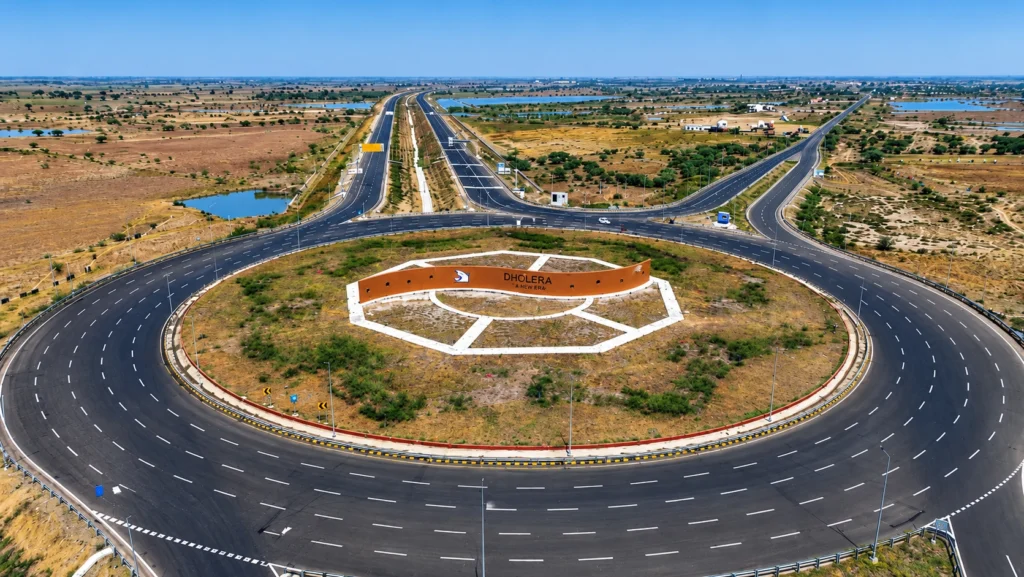
परिचय क्या धोलेरा स्मार्ट सिटी में निवेश करना सही रहेगा? फायदे, जोखिम और भविष्य पर सही जानकारी लेने वाले buyers को marketing claims से आगे practical facts समझने की जरूरत होती है। इस article में Dholera Smart City Investment को केंद्र में रखते हुए हम selection, verification, cost, risks और next steps को आसान भाषा में समझेंगे। Dholera property decision में location, documentation, intended use, infrastructure, budget और exit plan को एक साथ देखना जरूरी है। यह विषय क्यों महत्वपूर्ण है? Dholera में property research करते समय अलग-अलग locations, plot sizes, projects और future-development claims सामने आ सकते हैं। इसलिए सबसे पहले अपना उद्देश्य तय करें: self-use, residential construction, commercial use, long-term investment या future resale। उद्देश्य स्पष्ट होने पर सही property criteria तय करना आसान हो जाता है। सबसे पहले किन factors को देखें? Dholera Smart City Investment से जुड़ा decision लेते समय exact location, plot dimensions, approach road, land-use, ownership/title, applicable approvals, registration process, development status, surrounding activity और total acquisition cost को साथ रखें। केवल brochure की presentation या headline price पर decision न लें। Location और connectivity की जांच Map पर दिखाई गई दूरी को final reality न मानें। Site तक वास्तविक approach road, road condition, access, nearby development और practical connectivity देखें। Airport, expressway, industrial zone या अन्य infrastructure की proximity बताई जा रही हो तो उसकी current status और exact access authoritative sources से verify करें। Planned और operational infrastructure को अलग रखें। Legal और document verification Seller से मिले documents को केवल देखकर संतुष्ट न हों। Ownership/title chain, land-use, layout/plan, applicable permissions, registration eligibility और relevant authority records की जांच करें। ‘Approved’, ‘clear title’ या ‘ready to register’ जैसे claims के लिए documentary proof मांगें। Complex matters में independent property lawyer की review उपयोगी है। Price और total cost Quoted plot price को total purchase cost न समझें। Applicable stamp duty, registration-related charges, taxes, development/maintenance charges, brokerage और documentation expenses अलग हो सकते हैं। Comparable plots की effective cost compare करें और payment schedule तथा refund/cancellation terms लिखित में समझें। Site Visit Checklist Site visit पर exact plot number/location match करें, boundary और dimensions देखें, road access check करें और आसपास construction, drainage, electricity/water availability तथा visible encroachment जैसे practical points देखें। Photos/videos रखें, लेकिन final confirmation documents से करें। Common Mistakes कम price देखकर तुरंत booking करना, verbal promises पर भरोसा करना, बिना site visit payment करना, title/land-use verify न करना, planned infrastructure को completed मानना और total acquisition cost भूल जाना common mistakes हैं। अपनी जरूरत के बजाय market hype पर plot चुनना भी avoid करें। किस buyer के लिए उपयुक्त हो सकता है? इसका उत्तर buyer की financial capacity और objective पर निर्भर करता है। क्या धोलेरा स्मार्ट सिटी में निवेश करना सही रहेगा? फायदे, जोखिम और भविष्य को evaluate करते समय budget, holding period और intended use लिखित में तय करें। Short-term liquidity चाहने वाले buyer और long-term land investor की needs अलग होती हैं। इसलिए universal ‘best’ conclusion के बजाय personal fit देखें। Step-by-Step Buying Process 1) Budget तय करें। 2) Intended use लिखें। 3) Location shortlist करें। 4) Comparable options compare करें। 5) Site visit करें। 6) Ownership/title और land-use verify करें। 7) Applicable approvals और registration eligibility check करें। 8) Total cost sheet लें। 9) Agreement terms पढ़ें। 10) Payment और registration केवल satisfactory verification के बाद करें। Expert Tips Seller से important claims लिखित में लें। Exact plot identification documents और site location से match करें। एक independent professional से documents review कराने पर विचार करें। Payment को documented milestones से जोड़ें। अगर कोई महत्वपूर्ण information अस्पष्ट है, तो booking से पहले clarification लें। Frequently Asked Questions क्या Dholera Smart City Investment के लिए site visit जरूरी है? हाँ, exact location और practical suitability verify करने के लिए। क्या advertised price final होती है? जरूरी नहीं; transaction और development-related charges अलग हो सकते हैं। क्या future appreciation guaranteed है? नहीं। Appreciation market conditions, demand, infrastructure और कई अन्य factors पर निर्भर करती है। क्या ‘approved’ लिखे होने से property automatically safe है? नहीं। Applicable records और documents independently verify करें। क्या first-time buyer professional help ले सकता है? हाँ, खासकर documentation या legal terms समझने में। निष्कर्ष क्या धोलेरा स्मार्ट सिटी में निवेश करना सही रहेगा? फायदे, जोखिम और भविष्य पर practical decision लेने के लिए Dholera Smart City Investment को केवल marketing headline के रूप में न देखें। Location, documents, intended use, total cost, development status और exit plan को साथ evaluate करें। जो information documentary evidence से verified नहीं है, उसे confirmed fact न मानें। BHADANI REALTOR CTA यदि आप Dholera Smart City Investment के बारे में आगे जानकारी लेना चाहते हैं, तो BHADANI REALTOR से available property options, location details, site-visit assistance और buying guidance के बारे में जानकारी ले सकते हैं। किसी भी booking या payment से पहले applicable documents और transaction terms की independent verification अवश्य करें। Editorial note: Publish करने से पहले current prices, approvals, project status, legal requirements और infrastructure updates को latest authoritative records से verify करें। Unsupported guarantees या fabricated figures publish न करें।
Affordable Plots for Sale in Dholera for First-Time Buyers
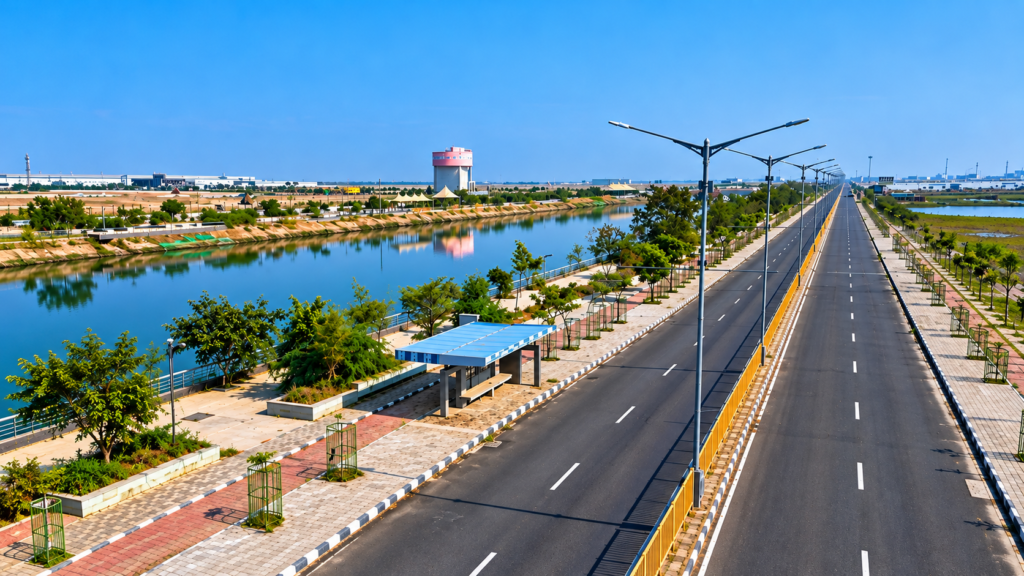
परिचय Affordable Plots for Sale in Dholera for First-Time Buyers पर सही जानकारी लेने वाले buyers को marketing claims से आगे practical facts समझने की जरूरत होती है। इस article में Dholera Plots for Sale को केंद्र में रखते हुए हम selection, verification, cost, risks और next steps को आसान भाषा में समझेंगे। Dholera property decision में location, documentation, intended use, infrastructure, budget और exit plan को एक साथ देखना जरूरी है। यह विषय क्यों महत्वपूर्ण है? Dholera में property research करते समय अलग-अलग locations, plot sizes, projects और future-development claims सामने आ सकते हैं। इसलिए सबसे पहले अपना उद्देश्य तय करें: self-use, residential construction, commercial use, long-term investment या future resale। उद्देश्य स्पष्ट होने पर सही property criteria तय करना आसान हो जाता है। सबसे पहले किन factors को देखें? Dholera Plots for Sale से जुड़ा decision लेते समय exact location, plot dimensions, approach road, land-use, ownership/title, applicable approvals, registration process, development status, surrounding activity और total acquisition cost को साथ रखें। केवल brochure की presentation या headline price पर decision न लें। Location और connectivity की जांच Map पर दिखाई गई दूरी को final reality न मानें। Site तक वास्तविक approach road, road condition, access, nearby development और practical connectivity देखें। Airport, expressway, industrial zone या अन्य infrastructure की proximity बताई जा रही हो तो उसकी current status और exact access authoritative sources से verify करें। Planned और operational infrastructure को अलग रखें। Legal और document verification Seller से मिले documents को केवल देखकर संतुष्ट न हों। Ownership/title chain, land-use, layout/plan, applicable permissions, registration eligibility और relevant authority records की जांच करें। ‘Approved’, ‘clear title’ या ‘ready to register’ जैसे claims के लिए documentary proof मांगें। Complex matters में independent property lawyer की review उपयोगी है। Price और total cost Quoted plot price को total purchase cost न समझें। Applicable stamp duty, registration-related charges, taxes, development/maintenance charges, brokerage और documentation expenses अलग हो सकते हैं। Comparable plots की effective cost compare करें और payment schedule तथा refund/cancellation terms लिखित में समझें। Site Visit Checklist Site visit पर exact plot number/location match करें, boundary और dimensions देखें, road access check करें और आसपास construction, drainage, electricity/water availability तथा visible encroachment जैसे practical points देखें। Photos/videos रखें, लेकिन final confirmation documents से करें। Common Mistakes कम price देखकर तुरंत booking करना, verbal promises पर भरोसा करना, बिना site visit payment करना, title/land-use verify न करना, planned infrastructure को completed मानना और total acquisition cost भूल जाना common mistakes हैं। अपनी जरूरत के बजाय market hype पर plot चुनना भी avoid करें। किस buyer के लिए उपयुक्त हो सकता है? इसका उत्तर buyer की financial capacity और objective पर निर्भर करता है। Affordable Plots for Sale in Dholera for First-Time Buyers को evaluate करते समय budget, holding period और intended use लिखित में तय करें। Short-term liquidity चाहने वाले buyer और long-term land investor की needs अलग होती हैं। इसलिए universal ‘best’ conclusion के बजाय personal fit देखें। Step-by-Step Buying Process 1) Budget तय करें। 2) Intended use लिखें। 3) Location shortlist करें। 4) Comparable options compare करें। 5) Site visit करें। 6) Ownership/title और land-use verify करें। 7) Applicable approvals और registration eligibility check करें। 8) Total cost sheet लें। 9) Agreement terms पढ़ें। 10) Payment और registration केवल satisfactory verification के बाद करें। Expert Tips Seller से important claims लिखित में लें। Exact plot identification documents और site location से match करें। एक independent professional से documents review कराने पर विचार करें। Payment को documented milestones से जोड़ें। अगर कोई महत्वपूर्ण information अस्पष्ट है, तो booking से पहले clarification लें। Frequently Asked Questions क्या Dholera Plots for Sale के लिए site visit जरूरी है? हाँ, exact location और practical suitability verify करने के लिए। क्या advertised price final होती है? जरूरी नहीं; transaction और development-related charges अलग हो सकते हैं। क्या future appreciation guaranteed है? नहीं। Appreciation market conditions, demand, infrastructure और कई अन्य factors पर निर्भर करती है। क्या ‘approved’ लिखे होने से property automatically safe है? नहीं। Applicable records और documents independently verify करें। क्या first-time buyer professional help ले सकता है? हाँ, खासकर documentation या legal terms समझने में। निष्कर्ष Affordable Plots for Sale in Dholera for First-Time Buyers पर practical decision लेने के लिए Dholera Plots for Sale को केवल marketing headline के रूप में न देखें। Location, documents, intended use, total cost, development status और exit plan को साथ evaluate करें। जो information documentary evidence से verified नहीं है, उसे confirmed fact न मानें। BHADANI REALTOR CTA यदि आप Dholera Plots for Sale के बारे में आगे जानकारी लेना चाहते हैं, तो BHADANI REALTOR से available property options, location details, site-visit assistance और buying guidance के बारे में जानकारी ले सकते हैं। किसी भी booking या payment से पहले applicable documents और transaction terms की independent verification अवश्य करें। Editorial note: Publish करने से पहले current prices, approvals, project status, legal requirements और infrastructure updates को latest authoritative records से verify करें। Unsupported guarantees या fabricated figures publish न करें।
Best Plots for Sale in Dholera Under ₹10 Lakhs
परिचय Best Plots for Sale in Dholera Under ₹10 Lakhs पर सही जानकारी लेने वाले buyers को marketing claims से आगे practical facts समझने की जरूरत होती है। इस article में Plots for Sale in Dholera को केंद्र में रखते हुए हम selection, verification, cost, risks और next steps को आसान भाषा में समझेंगे। Dholera property decision में location, documentation, intended use, infrastructure, budget और exit plan को एक साथ देखना जरूरी है। यह विषय क्यों महत्वपूर्ण है? Dholera में property research करते समय अलग-अलग locations, plot sizes, projects और future-development claims सामने आ सकते हैं। इसलिए सबसे पहले अपना उद्देश्य तय करें: self-use, residential construction, commercial use, long-term investment या future resale। उद्देश्य स्पष्ट होने पर सही property criteria तय करना आसान हो जाता है। सबसे पहले किन factors को देखें? Plots for Sale in Dholera से जुड़ा decision लेते समय exact location, plot dimensions, approach road, land-use, ownership/title, applicable approvals, registration process, development status, surrounding activity और total acquisition cost को साथ रखें। केवल brochure की presentation या headline price पर decision न लें। Location और connectivity की जांच Map पर दिखाई गई दूरी को final reality न मानें। Site तक वास्तविक approach road, road condition, access, nearby development और practical connectivity देखें। Airport, expressway, industrial zone या अन्य infrastructure की proximity बताई जा रही हो तो उसकी current status और exact access authoritative sources से verify करें। Planned और operational infrastructure को अलग रखें। Legal और document verification Seller से मिले documents को केवल देखकर संतुष्ट न हों। Ownership/title chain, land-use, layout/plan, applicable permissions, registration eligibility और relevant authority records की जांच करें। ‘Approved’, ‘clear title’ या ‘ready to register’ जैसे claims के लिए documentary proof मांगें। Complex matters में independent property lawyer की review उपयोगी है। Price और total cost Quoted plot price को total purchase cost न समझें। Applicable stamp duty, registration-related charges, taxes, development/maintenance charges, brokerage और documentation expenses अलग हो सकते हैं। Comparable plots की effective cost compare करें और payment schedule तथा refund/cancellation terms लिखित में समझें। Site Visit Checklist Site visit पर exact plot number/location match करें, boundary और dimensions देखें, road access check करें और आसपास construction, drainage, electricity/water availability तथा visible encroachment जैसे practical points देखें। Photos/videos रखें, लेकिन final confirmation documents से करें। Common Mistakes कम price देखकर तुरंत booking करना, verbal promises पर भरोसा करना, बिना site visit payment करना, title/land-use verify न करना, planned infrastructure को completed मानना और total acquisition cost भूल जाना common mistakes हैं। अपनी जरूरत के बजाय market hype पर plot चुनना भी avoid करें। किस buyer के लिए उपयुक्त हो सकता है? इसका उत्तर buyer की financial capacity और objective पर निर्भर करता है। Best Plots for Sale in Dholera Under ₹10 Lakhs को evaluate करते समय budget, holding period और intended use लिखित में तय करें। Short-term liquidity चाहने वाले buyer और long-term land investor की needs अलग होती हैं। इसलिए universal ‘best’ conclusion के बजाय personal fit देखें। Step-by-Step Buying Process 1) Budget तय करें। 2) Intended use लिखें। 3) Location shortlist करें। 4) Comparable options compare करें। 5) Site visit करें। 6) Ownership/title और land-use verify करें। 7) Applicable approvals और registration eligibility check करें। 8) Total cost sheet लें। 9) Agreement terms पढ़ें। 10) Payment और registration केवल satisfactory verification के बाद करें। Expert Tips Seller से important claims लिखित में लें। Exact plot identification documents और site location से match करें। एक independent professional से documents review कराने पर विचार करें। Payment को documented milestones से जोड़ें। अगर कोई महत्वपूर्ण information अस्पष्ट है, तो booking से पहले clarification लें। Frequently Asked Questions क्या Plots for Sale in Dholera के लिए site visit जरूरी है? हाँ, exact location और practical suitability verify करने के लिए। क्या advertised price final होती है? जरूरी नहीं; transaction और development-related charges अलग हो सकते हैं। क्या future appreciation guaranteed है? नहीं। Appreciation market conditions, demand, infrastructure और कई अन्य factors पर निर्भर करती है। क्या ‘approved’ लिखे होने से property automatically safe है? नहीं। Applicable records और documents independently verify करें। क्या first-time buyer professional help ले सकता है? हाँ, खासकर documentation या legal terms समझने में। निष्कर्ष Best Plots for Sale in Dholera Under ₹10 Lakhs पर practical decision लेने के लिए Plots for Sale in Dholera को केवल marketing headline के रूप में न देखें। Location, documents, intended use, total cost, development status और exit plan को साथ evaluate करें। जो information documentary evidence से verified नहीं है, उसे confirmed fact न मानें। BHADANI REALTOR यदि आप Plots for Sale in Dholera के बारे में आगे जानकारी लेना चाहते हैं, तो BHADANI REALTOR से available property options, location details, site-visit assistance और buying guidance के बारे में जानकारी ले सकते हैं। किसी भी booking या payment से पहले applicable documents और transaction terms की independent verification अवश्य करें। Editorial note: Publish करने से पहले current prices, approvals, project status, legal requirements और infrastructure updates को latest authoritative records से verify करें। Unsupported guarantees या fabricated figures publish न करें।
Residential vs Commercial Plots in Dholera SIR: आपके Investor Persona के लिए क्या सही है?
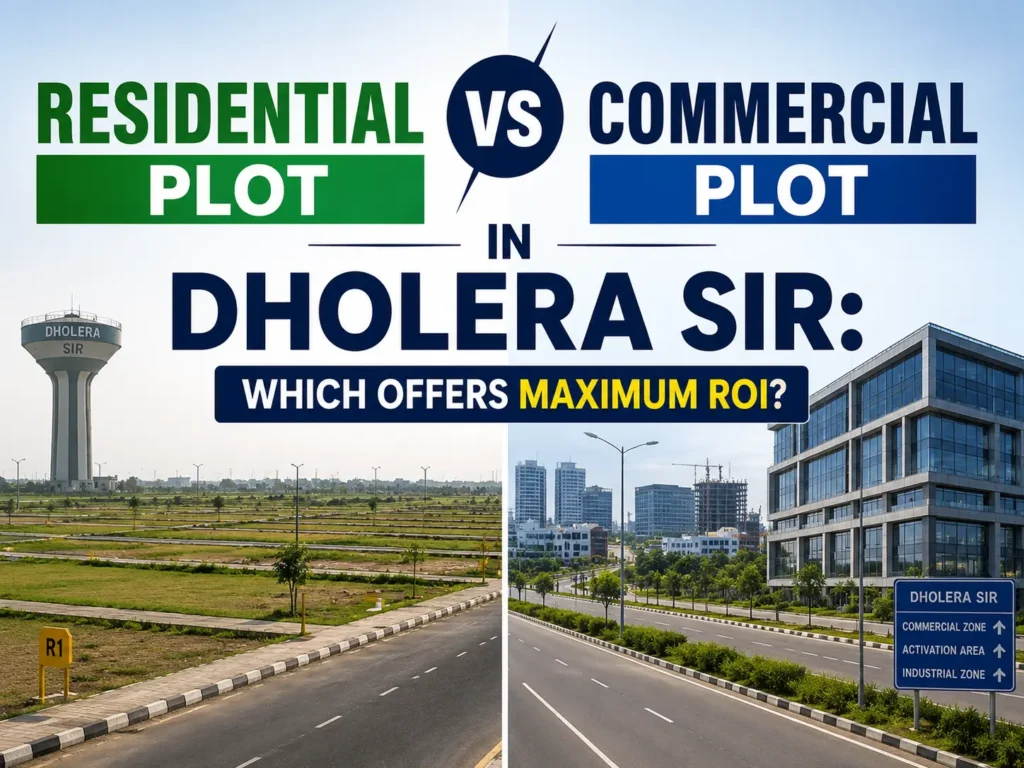
Quick Summary: Dholera SIR में Residential Plots उन निवेशकों के लिए सबसे बेहतर हैं जो ₹10 लाख से ₹30 लाख के शुरुआती बजट में 5 से 7 साल के horizon के साथ steady capital appreciation चाहते हैं। वहीं, Commercial Plots उन HNIs, NRIs और Business Owners के लिए बेस्ट हैं जो high liquidity, higher FSI (Floor Space Index), और Tata Semiconductor Fab, Expressway तथा Airport के operational होने के बाद early commercial rental yields हासिल करना चाहते हैं। सही चुनाव पूरी तरह आपके Investment Horizon, Capital Size, और Risk Appetite पर निर्भर करता है। Dholera Smart City (Dholera Special Investment Region – DSIR) आज सिर्फ गुजरात ही नहीं, बल्कि भारत की सबसे तेजी से उभरती हुई industrial and smart infrastructure location बन चुकी है। 920 square kilometers में फैला यह mega-project भारत का पहला greenfield smart city है, जिसे Singapore की Surbana Jurong की master planning और Govt of India के National Industrial Corridor Development Corporation (NICDC) का पूरा बैकअप हासिल है। जब निवेशक Dholera SIR में ज़मीन खरीदने की सोचते हैं, तो सबसे बड़ा भ्रम (confusion) यह होता है: “क्या मुझे Dholera में Residential Plot लेना चाहिए या Commercial Plot?” क्या ₹15 लाख के बजट में Commercial Plot संभव है? क्या Residential Plots में भविष्य में Rental Income मिलेगी? commercial plot in dholera की liquidity कैसी होगी? BHADANIREALTOR के इस comprehensive detailed guide में, हम इस मुद्दे का 360-degree deep analysis करेंगे—master plan zoning, pricing, ROI forecasts, FSI rules, timeline realities और step-by-step risk management के साथ। 1. Dholera SIR का Master Plan और Zoning Structure क्या है? Dholera SIR की नींव 22 distinct Town Planning (TP) Schemes पर टिकी है। किसी सामान्य शहर और Dholera Smart City में सबसे बड़ा फर्क strict zoning rules और plug-and-play underground infrastructure का है। Dholera SIR Total Area: 920 Sq Km ├── Phase 1 (Activation Area – TP1 & TP2): 22.5 Sq Km (Highest Development Priority) ├── High Access Corridors (Expressway Touch & Main Arterial Roads) └── Town Planning Schemes: TP1 to TP6 (Phase 1 & Phase 2 Focus) DSIRDA (Dholera Special Investment Region Development Authority) ने भूमि के इस्तेमाल को बहुत स्पष्ट रूप से विभाजित किया है: Residential Zone (R1, R2, R3, High-Density Residential): यहाँ सिर्फ residential complexes, plotted developments, villas, housing schemes और neighborhood retail allowed है। Commercial Zone (C1, C2, City Centre, Knowledge & IT Zone): यहाँ corporate offices, high-street retail stores, hotels, multiplexes, logistics offices और mixed-use developments की अनुमति है। High Access Corridor (Residential & Commercial Mixed): Dholera-Ahmedabad Expressway और 250-meter wide Ring Road के दोनों तरफ की ज़मीन, जहाँ high FSI और high commercial valuation मिलती है। Industrial & Logistics Zone: Dedicated for manufacturing units, EV plants, semiconductor hubs (like Tata-PSMC Fab), and supply chain warehousing. Expert Insight: जब आप Dholera में plot देखते हैं, तो केवल यह न पूछें कि plot कहाँ है; बल्कि यह पूछें कि वह किस TP Scheme, किस Road Width (18m, 24m, 45m, 55m), और किस Zoning Code के तहत पास हुआ है। 2. Deep-Dive: Residential Plots in Dholera SIR Residential Plot क्या है और इसका Use Case क्या है? Residential plots वे भूखंड हैं जो master plan के अंतर्गत रिहायशी उपयोग के लिए earmarked किए गए हैं। ये मुख्य रूप से TP1, TP2, TP3 और TP4 के dedicated residential clusters में स्थित हैं। Target Investor Profile First-time Land Investors: जो कम capital से सुरक्षित शुरुआत करना चाहते हैं। Salaried Professionals & Self-Employed: CAs, Doctors, Engineers, IT Professionals, Govt Employees. Families & Long-term Wealth Builders: जो अगली पीढ़ी के लिए land bank बनाना चाहते हैं। Mid-Budget NRIs: जो Portfolio Diversification का हिस्सा बनाना चाहते हैं। Financial Dynamics & Investment Entry Barrier Entry Budget Range: ₹10 Lakhs से ₹35 Lakhs (Plot Size: 150 sq. yards से 500 sq. yards). Average Price per Sq. Yard: ₹4,500 से ₹12,000 (Location और Sub-TP Zone पर निर्भर). Capital Appreciation Potential: 18% से 25% CAGR (3-7 सालों के Horizon पर). Pros (फायदे) Low Entry Barrier: बड़े initial capital की आवश्यकता नहीं होती। Budget-friendly है। Lower Financial Risk: अगर आपका capital 5–7 साल फंसा भी रहता है, तो holding cost न के बराबर है। High Individual Demand: जैसे-जैसे Dholera में Tata Semiconductor, L&T, ReNew Power और Reconnect Energy जैसी कंपनियों में काम करने वाले engineers और employees शिफ्ट होंगे, residential housing/villas की भारी मांग बढ़ेगी। Easy Title Clearance Check: NA (Non-Agricultural), NOC, DP Plan Clear residential plots का सत्यापन आसान होता है। Cons (नुकसान) Immediate Rental Yield की कमी: जब तक रिहायशी आबादी (occupancy) नहीं आती, तब तक monthly rental income मिलना संभव नहीं है। Lower FSI (Floor Space Index): Commercial की तुलना में कम built-up area बनाने की अनुमति होती है। 3. Deep-Dive: Commercial Plots in Dholera SIR Commercial Plot क्या है और इसका Use Case क्या है? Commercial plots वे भूखंड हैं जो High Access Corridors, City Centre Zone, Knowledge/IT Hubs, और 45m/55m/250m wide primary roads के किनारे स्थित हैं। इन पर retail complexes, corporate towers, business hotels, service apartments, और logistics hubs बनाए जा सकते हैं। Target Investor Profile HNIs (High Net Worth Individuals) & Ultra-HNIs: जिनक पास निवेश के लिए बड़ा surpluses capital उपलब्ध है। Business Owners & Commercial Developers: जो आगे चलकर अपने व्यापार के लिए base बनाना चाहते हैं या commercial space lease पर देना चाहते हैं। Global NRIs (UAE, USA, UK, Canada): जो high yield asset classes में भरोसा रखते हैं। Institutional & Mutual Fund Investors / Wealth Management Clients. Financial Dynamics & Investment Entry Barrier Entry Budget Range: ₹50 Lakhs से ₹3 Crores+ (Plot Size: 500 sq. yards से 2500+ sq. yards). Average Price per Sq. Yard: ₹15,000 से ₹35,000+ (Location, FSI capability, और Express Corridor Proximity के आधार पर). Capital Appreciation Potential: 25% से 40%+ CAGR (जब infrastructure complete होकर operations शुरू होंगे). Pros (फायदे) Exponential Capital Appreciation: Infrastructure catalysts (Expressway, Airport, Tata Fab plant) का सबसे पहला और सीधा आर्थिक असर commercial land rates पर पड़ता है। High Floor Space Index (FSI): Commercial zones में FSI (FAR) 2.5 से 5.0+ तक मिलता है, जिसका मतलब है कि आप कम ज़मीन पर ज्यादा floors (high-rise commercial spaces) बना सकते हैं। Early Rental Yields: Industrial and corporate execution शुरू होते ही temporary offices, banks, retail outlets, food courts और executive housing/service apartments की लीज मांग सबसे पहले शुरू होगी। Higher Corporate Liquidity: कंपनियों और बड़ी इंफ्रास्ट्रक्चर फर्म्स के लिए Commercial Plots
Best Residential Plot Sizes Available in Dholera: निवेशक और खरीदारों के लिए पूर्ण गाइड

Dholera SIR में सबसे बेहतरीन Residential & Commercial Plot Sizes कौन से हैं? Dholera Special Investment Region (DSIR) में मुख्य रूप से 3 लोकप्रिय प्लॉट साइज़ कैटेगरी उपलब्ध हैं: Compact & Budget Plots (150 to 200 Sq. Yd.): पहली बार निवेश करने वालों और मध्यम वर्गीय परिवारों के लिए आदर्श (अनुमानित लागत ₹12 लाख से ₹22 लाख)। Mid-Size Family & Luxury Villa Plots (250 to 500 Sq. Yd.): डुप्लेक्स, विला निर्माण और हाई एप्रिसिएशन के लिए सबसे पसंदीदा विकल्प (अनुमानित लागत ₹25 लाख से ₹55 लाख)। Large & Commercial Plots (600 to 2000+ Sq. Yd. / SCO): commercial plot in dholera खोज रहे निवेशकों, हाई-डेंसिटी मिक्स-यूज़ प्रोजेक्ट्स और रिटेल कॉम्प्लेक्स के लिए बेस्ट (अनुमानित लागत ₹65 लाख से ₹2+ करोड़)। सही आकार का चुनाव हमेशा आपके बजट, निर्माण योजनाओं और Town Planning (TP 1, TP 2 & High Access Corridor) ज़ोनिंग नियमों पर निर्भर करता है। BHADANI REALTOR के साथ आप RERA-अप्रूव्ड और N.A. (Non-Agricultural) क्लियर प्लॉट्स आसानी से ढूंढ सकते हैं। Table of Contents प्रस्तावना: Dholera SIR में रियल एस्टेट निवेश का नया दौर समस्या पहचान: गलत प्लॉट साइज़ चुनने पर निवेशकों को क्या नुकसान होता है? Dholera SIR में उपलब्ध प्रमुख Plot Sizes और उनका वर्गीकरण Residential vs Commercial Plots in Dholera: FSI और ROI की तुलना Step-by-Step Guide: Dholera Smart City में सही प्लॉट चुनने की प्रक्रिया Dholera SIR Plot Rate Card & Pricing Trends (2026 Update) Dholera में प्लॉट खरीदते समय होने वाली 5 बड़ी गलतियां (और उनसे बचाव) BHADANI REALTOR ही क्यों: आपका भरोसेमंद स्मार्ट सिटी पार्टनर अक्सर पूछे जाने वाले प्रश्न (FAQ) निष्कर्ष और अगला कदम 1. प्रस्तावना: Dholera SIR में रियल एस्टेट निवेश का नया दौर भारत के पहले ग्रीनफ़ील्ड स्मार्ट सिटी Dholera Special Investment Region (DSIR) ने अहमदाबाद, सूरत, वडोदरा और मुंबई-दिल्ली से लेकर ग्लोबल एनआरआई (NRI) इन्वेस्टर्स तक सभी का ध्यान अपनी ओर खींचा है। 920 स्क्वायर किलोमीटर में फैला यह ड्रीम प्रोजेक्ट सिंगापुर और शंघाई जैसे वैश्विक व्यापारिक केंद्रों की तर्ज पर तैयार किया जा रहा है। TATA की ₹91,000 करोड़ की सेमीकंडक्टर फैब यूनिट, धोलेरा इंटरनेशनल एयरपोर्ट (2026 तक चालू), और 6-लेन एक्सप्रेसवे ने यहाँ के लैंड एप्रिसिएशन को नई ऊंचाइयों पर पहुँचा दिया है। लेकिन जब भी कोई नया खरीदार Buy Plot in Dholera का विचार बनाता है, तो उसके सामने सबसे पहला सवाल आता है: “मुझे किस साइज़ का प्लॉट चुनना चाहिए?” कई बार निवेशक सिर्फ कम बजट देखकर बहुत छोटा प्लॉट ले लेते हैं जहाँ भविष्य में घर बनाना मुश्किल हो जाता है, वहीं कुछ लोग अपनी क्षमता से बड़ा प्लॉट ले लेते हैं जिसका लिक्विडिटी रिस्क बढ़ जाता है। चाहे आप अपने लिए सपनों का घर बनाने की सोच रहे हों या फिर एक commercial plot in dholera में निवेश करके हाई रेंटल यील्ड हासिल करना चाहते हों—सही प्लॉट साइज़ का चुनाव आपकी पूरी इन्वेस्टमेंट स्ट्रेटेजी की नींव होता है। इस गाइड में हम BHADANI REALTOR की दशकों पुरानी रियल एस्टेट विशेषज्ञता के आधार पर Dholera SIR के सभी प्रमुख प्लॉट साइज़, ज़ोनिंग रूल्स, एफएसआई (FSI), और मार्केट रेट्स का वैज्ञानिक विश्लेषण प्रस्तुत कर रहे हैं। 2. समस्या पहचान: गलत प्लॉट साइज़ चुनने पर निवेशकों को क्या नुकसान होता है? रियल एस्टेट मार्केट में बिना रिसर्च के ज़मीन खरीदना एक भारी भूल साबित हो सकती है। Dholera Smart City में प्लॉट्स खरीदते समय खरीदार अक्सर निम्नलिखित 3 मुख्य समस्याओं में फंस जाते हैं: अपर्याप्त FSI और कंस्ट्रक्शन सीमाएँ (Setback Rules): DSIRDA (Dholera Special Investment Region Development Authority) के सख्त बाय-लॉज़ के अनुसार, छोटे प्लॉट्स (150 sq. yd. से कम) पर फ्रंट, रियर और साइड सेटबैक छोड़ने के बाद निर्माण के लिए बहुत कम कारपेट एरिया बचता है। रीसेल और लिक्विडिटी की समस्या (Resale Liquidity Risk): बहुत अजीब साइज़ या विषम आकार (Irregular layout) वाले प्लॉट्स को भविष्य में रीसेल (Resale) करते समय सही खरीदार नहीं मिलते। कमर्शियल बनाम रेजिडेंशियल का भ्रम: कई निवेशक कम कीमत के चक्कर में रेजिडेंशियल ज़ोन में प्लॉट खरीद लेते हैं और सोचते हैं कि बाद में वहाँ दुकानें या ऑफिस खोल लेंगे। DSIRDA के नियमों के तहत ज़ोनिंग कन्वर्जन (Land Use Conversion) बिल्कुल प्रतिबंधित है। यदि आपको कमर्शियल गतिविधियां शुरू करनी हैं, तो आपको Commercial Plots in Dholera ही चुनना होगा। 3. Dholera SIR में उपलब्ध प्रमुख Plot Sizes और उनका वर्गीकरण Dholera में टाउन प्लानिंग स्कीम्स (विशेष रूप से TP 1, TP 2A, TP 2B, TP 4, और High Access Corridor) के तहत प्लॉट्स को 3 प्रमुख श्रेणियों में बाँटा गया है: Category 1: Small & Entry-Level Plots (133 Sq. Yd. to 200 Sq. Yd.) डायमेंशन: 19 ft × 60 ft (लगभग) टारगेट ऑडियंस: पहली बार निवेश करने वाले, यंग प्रोफेशनल्स, मध्यम वर्गीय परिवार और बजट-सचेत खरीदार। निर्माण क्षमता: 2 BHK / 3 BHK इंडिपेंडेंट रो-हाउस या कॉम्पैक्ट डुप्लेक्स। फायदे: कम शुरुआती लागत, आसान रीसेल (High Liquidity), और एंट्री-लेवल इन्वेस्टर्स के लिए कम जोखिम। Category 2: Mid-Size & Premium Villa Plots (250 Sq. Yd. to 500 Sq. Yd.) डायमेंशन: 30 ft × 75 ft या 40 ft × 90 ft (लगभग) टारगेट ऑडियंस: डॉक्टर, सीए, आईटी प्रोफेशनल्स, बिजनेस ओनर्स, और एनआरआई (NRI) खरीदार। निर्माण क्षमता: 3 BHK / 4 BHK लग्जरी विला, प्राइवेट गार्डन, और कार पार्किंग एरिया। फायदे: पर्याप्त FSI उपयोग, बेहतर वेंटिलेशन, और लॉन्ग-टर्म कैपिटल एप्रिसिएशन के लिए सबसे सुरक्षित विकल्प। Category 3: Large Residential & Commercial Plots (600 Sq. Yd. to 2000+ Sq. Yd.) डायमेंशन: 50 ft × 100 ft और उससे अधिक टारगेट ऑडियंस: हाई-नेट-वर्थ इंडिविजुअल्स (HNIs), कमर्शियल डेवलपर्स, रिटेल इन्वेस्टर्स और स्टार्टअप फाउंडर्स। उपयोग: commercial plot in dholera के तौर पर रिटेल कॉम्प्लेक्स, बुटीक होटल, कॉर्पोरेट ऑफिस, सर्विस अपार्टमेंट्स या बड़े गेटेड एस्टेट्स। फायदे: High Density FSI (up to 5.0 in HAC corridor) और उच्च वार्षिक रेंटल यील्ड (Projected ~7.2%)। 4. Residential vs Commercial Plots in Dholera: FSI और ROI की तुलना यदि आप Dholera में ज़मीन ले रहे हैं, तो रेजिडेंशियल और कमर्शियल एसेट क्लास के बीच के इस तुलनात्मक चार्ट को समझना बेहद ज़रूरी है: पैरामीटर (Parameter) Residential Plots in Dholera Commercial Plots in Dholera ऑप्टिमल प्लॉट साइज़ (Plot Size) 150 Sq. Yd. – 500 Sq. Yd. 300 Sq. Yd. – 2000+ Sq. Yd. अनुमानित कीमत (Avg Price) ₹10,000 – ₹16,000
Connect With Us