
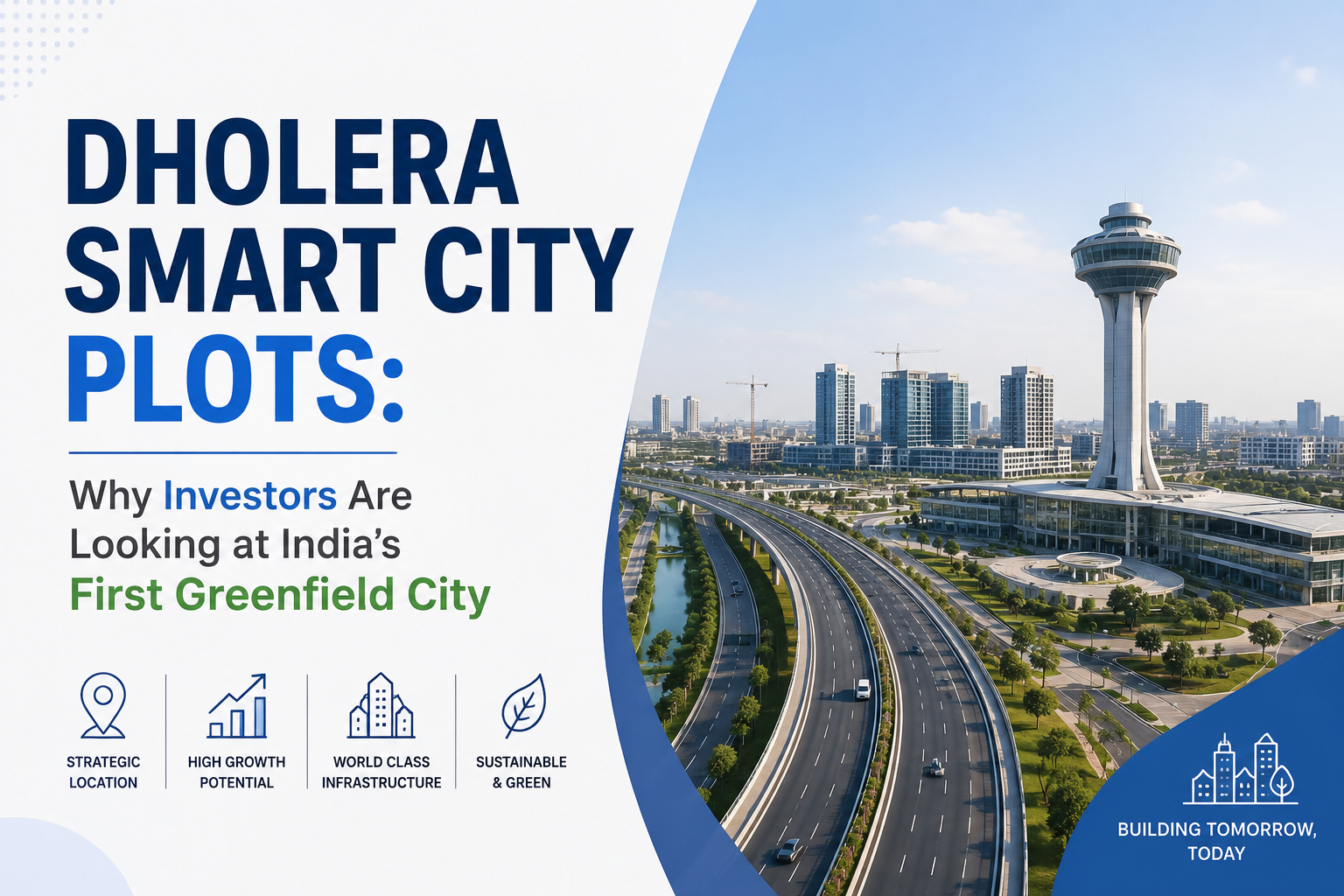

Dholera Smart City Plots: Why Investors Are Looking at India’s First Greenfield City
What is the future of Dholera Smart City? Dholera SIR (Special Investment Region) is India’s first platinum-rated Greenfield Smart City, envisioned as an industrial and logistics powerhouse. It offers high potential for long-term capital appreciation due to its strategic connectivity (Airport, Expressway), massive industrial clusters (ABCD building, manufacturing zones), and government-backed infrastructure. It is best suited for investors with a 5-10 year horizon looking for high-growth potential assets. The “Real Deal” on Dholera: Let’s Get Practical If you are reading this, you’ve probably heard the hype: “Dholera is the next Singapore!” or “Buy today, become a millionaire tomorrow.” As a professional in the real estate space, let me be very clear: Dholera SIR is not a “get-rich-quick” scheme. It is a massive, government-led industrial infrastructure project. If you are looking to flip a plot in 6 months for 2x returns, this is not for you. But, if you are a high-income professional, an NRI, or a business owner looking for a “Wealth Creation” asset for the next decade, Dholera demands your attention. At BHADANIREALTOR, we deal with facts, not just marketing brochures. Let’s break down what you actually need to know before putting your hard-earned money into a plot for sale in Dholera SIR. Why Dholera? The “Why” Behind the Hype It’s not just about land; it’s about Infrastructure-Led Development. Dholera SIR is being developed under the DMIC (Delhi-Mumbai Industrial Corridor) project. Here is why the big money is moving here: Strategic Connectivity: The Dholera International Airport and the Ahmedabad-Dholera Expressway are the game changers. Connectivity is the bloodline of real estate value. Industrial Foundation: This isn’t a residential colony on the outskirts of a village. It is a planned industrial city. With big players like Tata and other manufacturing giants scouting for space, the demand for housing and commercial services will rise. Government Backing: Unlike private townships that may face bankruptcy or funding issues, Dholera is a state-sponsored mega-project. The speed of trunk infrastructure (roads, sewage, power, water) being laid out is unprecedented in India. The Challenges (Addressing the Elephant in the Room) We believe in transparency. As an investor, you must know the risks: Long Gestation Period: This is a Greenfield project. It takes time for people to move in. You are buying in the development phase, which means initial ROI might be slow. The “Middleman” Problem: Because it’s a hot topic, there are many agents promising “guaranteed returns.” Be careful. Real estate markets are subject to economic cycles. No one can guarantee 20% annual returns. Documentation: Not all land in the vicinity is part of the “Smart City” boundary. There is Dholera SIR (the core) and the surrounding villages. Ensure you know exactly where your plot falls. Step-by-Step Guidance: How to Buy a Plot in Dholera Smart City Buying land is different from buying an apartment in Ahmedabad or Surat. Follow this checklist: 1. Verify the Location (SIR vs. Outside) Check if the plot is inside the notified Dholera SIR boundary. Land inside the SIR is governed by the Dholera Industrial City Development Limited (DICDL). Land outside might be cheaper but won’t get the “Smart City” infrastructure benefits. 2. Check the TP Scheme Dholera is divided into Town Planning (TP) Schemes. Look for plots that are part of fully notified TP schemes where development is already approved. Expert Tip: Always ask for the Survey Number and cross-check it with the Dholera SIR Authority map. 3. Documentation Checklist Before you sign the deal, ensure you have: Sale Deed (Registered): Don’t settle for “agreement to sell” only. NA (Non-Agricultural) Status: Mandatory for any commercial or residential land development. Title Clearance Certificate: Get it verified by a legal expert. Don’t rely solely on the seller’s lawyer. ENC (Encumbrance Certificate): Ensure there are no outstanding loans or legal disputes on the plot. 4. Site Visit is Non-Negotiable Photos and drone videos are great, but they don’t show the reality. Visit the site. Walk the ground. See if the internal roads are laid, check the proximity to the activated area (ABCD building), and look at the actual progress on the ground. Common Mistakes Investors Make Buying the cheapest plot: Don’t chase the cheapest rate per sq. ft. Often, the cheapest plots are in low-lying areas or far from the main arterial roads. Ignoring the Zoning: Is your plot in an Industrial Zone, Residential Zone, or Public Facility Zone? Buying a residential plot in an industrial zone will give you a headache when you want to build. Overlooking the Developer Reputation: In Dholera, the developer’s ability to clear titles and provide basic amenities is key. Partner with established names. Frequently Asked Questions (FAQ) 1. क्या Dholera में निवेश सुरक्षित है? (Is investment safe in Dholera?) हाँ, अगर आप सही तरीके से जांच (due diligence) करते हैं। Dholera एक सरकारी प्रोजेक्ट है, जो इसे private townships से अधिक भरोसेमंद बनाता है। बस ध्यान रखें कि आप SIR boundary के अंदर ही ज़मीन खरीदें और कागज़ात (legal documents) की पूरी जांच करें। 2. Dholera में प्लॉट खरीदने का सही समय क्या है? (What is the right time to buy?) Dholera में अभी “Early to Mid-stage” चल रहा है। एयरपोर्ट और एक्सप्रेसवे का काम तेज़ी से हो रहा है। “सही समय” तब होता है जब आप 5-7 साल का नज़रिया (perspective) रखते हैं। यह एक लॉन्ग-टर्म इन्वेस्टमेंट है। 3. Dholera Smart City का भविष्य क्या है? (What is the future of Dholera?) Dholera का भविष्य भारत के ‘मैन्युफैक्चरिंग हब’ के रूप में है। जैसे-जैसे इंडस्ट्रियल यूनिट्स फंक्शनल होंगी, वहां काम करने वाले लाखों कर्मचारियों के लिए रेजिडेंशियल, कमर्शियल और रिटेल हब की ज़रूरत पड़ेगी। यही वह समय होगा जब ज़मीन की कीमतों में वास्तविक उछाल (appreciation) आएगा। 4. क्या मुझे NRI होने के नाते Dholera में प्लॉट खरीदना चाहिए? NRIs के लिए, Dholera एक बेहतरीन पोर्टफोलियो डायवर्सिफिकेशन है। हालांकि, FEMA (Foreign Exchange Management Act) के नियमों का पालन करना ज़रूरी है। सुनिश्चित करें कि पेमेंट NRE/NRO अकाउंट से हो और लीगल पेपरवर्क में कोई कमी न हो। Expert Tips for the Smart Investor Diversify: Don’t put all your liquidity into one plot. Keep a portion in liquid assets. Focus on Connectivity: Prioritize plots near the 250-meter wide expressway or the main transit corridors. These will appreciate
Dholera Smart City में Government Approved Plots कैसे पहचानें? (Ultimate Legal Verification Guide)
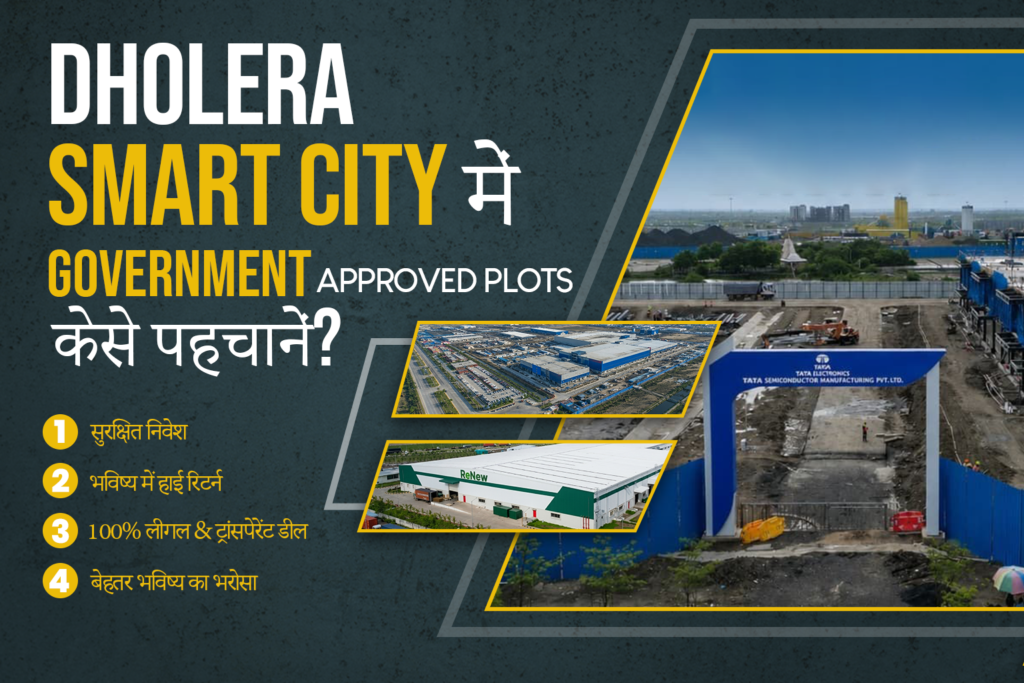
To instantly identify a government-approved plot in Dholera Smart City, verify these 5 legal markers: GUJRERA Registration: Ensure the project is registered on the Gujarat RERA portal with an active registration number. DSIRDA/GUDA Approval: Verify that the layout plan is officially sanctioned by the Dholera Special Investment Region Development Authority. NA (Non-Agricultural) Certificate: Confirm the land has been converted from agricultural to non-agricultural use with paid premium receipts. F-Form (Form B): Match the “Original Plot” (OP) with the allocated “Final Plot” (FP) details in the Town Planning (TP) scheme. Clear Title & Search Report: Check the 30-year historical title search report on the AnyROR Gujarat portal. भारत का पहला ग्रीनफील्ड इंडस्ट्रियल स्मार्ट सिटी—Dholera SIR (Special Investment Region)—आज देश-विदेश के रियल एस्टेट इन्वेस्टर्स के लिए एक हॉटस्पॉट बन चुका है। अहमदाबाद, सूरत और वडोदरा के लोकल इन्वेस्टर्स से लेकर बड़े HNIs, NRI प्रोफेशनल्स, डॉक्टर्स और टेक-फाउंडर्स तक, हर कोई इस मेगा-प्रोजेक्ट का हिस्सा बनना चाहता है। लेकिन जैसे-जैसे Dholera Smart City Plots की डिमांड बढ़ रही है, वैसे-वैसे मार्केट में अनधिकृत (unapproved) और फ्रॉड स्कीम्स की बाढ़ भी आ गई है। कई सीधे-साधे इन्वेस्टर्स सस्ते प्लॉट्स के झांसे में आकर अपनी मेहनत की कमाई ऐसी जमीनों पर लगा देते हैं, जिनका भविष्य में कोई कानूनी अस्तित्व ही नहीं होता। BHADANIREALTOR के इस डीटेल गाइड में, हम आपको एक सीनियर कंटेंट स्ट्रैटेजिस्ट और लीगल रियल एस्टेट एक्सपर्ट के नजरिए से स्टेप-बाय-स्टेप समझाएंगे कि कैसे आप ढोलेरा में 100% सुरक्षित, लीगली वैलिडेटेड और Government Approved Plots की पहचान कर सकते हैं। 1. Dholera SIR में Plot Investment का सच: अवसर और छिपे हुए रिस्क स्मार्ट सिटी का विजन (What is Dholera SIR?) Dholera SIR, दिल्ली-मुंबई इंडस्ट्रियल कॉरिडोर (DMIC) का एक मुख्य हिस्सा है। यह शंघाई और सिंगापुर जैसी ग्लोबल सिटीज की तर्ज पर 920 वर्ग किलोमीटर में फैला एक हाई-टेक इंडस्ट्रियल हब बन रहा है। यहाँ 4-लेन एक्सप्रेसवे, इंटरनेशनल एयरपोर्ट, और दुनिया का सबसे बड़ा सोलर पार्क जैसी इंफ्रास्ट्रक्चर परियोजनाएं हकीकत बन रही हैं। दिक्कत कहाँ आती है? (The Core Problem) जब आप मार्केट में Dholera Smart City Investment की खोजबीन शुरू करते हैं, तो आपको बहुत से ब्रोकर्स मिलेंगे जो ₹2,000 से ₹5,000 प्रति वर्ग गज (sq. yard) में जमीन ऑफर करते हैं। वे आपको बड़ी-बड़ी तस्वीरें दिखाते हैं, लेकिन ग्राउंड रियलिटी यह होती है: वह जमीन अभी भी Agricultural (खेती योग्य) होती है, जिसका NA (Non-Agricultural) कन्वर्जन नहीं हुआ होता। वह प्लॉट Town Planning (TP) Scheme के बफर जोन या ग्रीन बेल्ट (नो-डेवलपमेंट जोन) में आ रहा होता है। डेवलपर के पास DSIRDA (Dholera Special Investment Region Development Authority) का अप्रूव्ड नक्शा नहीं होता। अगर आप एक डॉक्टर, आईटी प्रोफेशनल या एनआरआई हैं, तो आपके पास सरकारी दफ्तरों के चक्कर काटने का समय नहीं है। इसलिए, आपको सेल्फ-वेरिफिकेशन के स्मार्ट तरीके पता होने चाहिए। 2. Government Approved Plots को कैसे पहचानें? (The 5-Step Verification Process) Dholera में किसी भी प्लॉट में पैसा लगाने से पहले, डेवलपर से इन पांच प्रमुख दस्तावेजों की मांग करें और खुद सरकारी पोर्टल्स पर जाकर उन्हें वेरिफाई करें। [Buyer Verification Flow] │ ├── Step 1: Check GUJRERA Website (RERA Registration Number) ├── Step 2: Validate F-Form (Original Plot vs. Final Plot) ├── Step 3: Verify DSIRDA Layout & Zone Clearances ├── Step 4: Inspect NA (Non-Agricultural) NOC & Title Deed └── Step 5: Verify Land Records on AnyROR Gujarat Portal Step 1: GUJRERA (Gujarat RERA) रजिस्ट्रेशन चेक करें गुजरात में बिकने वाले किसी भी कमर्शियल या रेजिडेंशियल प्लॉटिंग प्रोजेक्ट का RERA (Real Estate Regulatory Authority) के तहत रजिस्टर्ड होना अनिवार्य है। कैसे चेक करें: Gujarat RERA की ऑफिशियल वेबसाइट पर जाएं। क्या देखें: डेवलपर द्वारा दिए गए RERA रजिस्ट्रेशन नंबर को सर्च बार में डालें। वहां चेक करें कि प्रोजेक्ट का स्टेटस “Approved” है या नहीं। साथ ही, प्रोजेक्ट के लिए तय की गई “Completion Date” और बैंक अकाउंट की डिटेल्स भी देखें। Expert Tip: अगर कोई ब्रोकर आपसे कहे कि “यह प्रोजेक्ट छोटा है, इसके लिए RERA की जरूरत नहीं है,” तो तुरंत पीछे हट जाएं। Dholera SIR के अंतर्गत आने वाले हर लेआउट के लिए RERA आवश्यक है। Step 2: F-Form (Form B) की जांच करें (The Golden Document) Dholera SIR की पूरी जमीन टाउन प्लानिंग (TP) स्कीम्स के तहत विकसित की जा रही है। जब सरकार लैंड पूल करती है, तो ओरिजिनल ओनर की जमीन का कुछ हिस्सा इंफ्रास्ट्रक्चर (सड़क, पार्क, सीवरेज) के लिए काट लिया जाता है और बाकी बची जमीन को Final Plot (FP) के रूप में अलॉट किया जाता है। F-Form क्या है? यह सरकार द्वारा जारी किया गया वह सर्टिफिकेट है जो यह प्रमाणित करता है कि आपके डेवलपर का Original Plot (OP) नंबर अब री-कंस्ट्रक्शन के बाद किस Final Plot (FP) नंबर में बदल चुका है। क्यों जरूरी है? अगर डेवलपर के पास F-Form नहीं है, तो इसका मतलब है कि उसे अभी तक सरकार से फाइनल प्लॉट की पोजीशन और डिमार्केशन (सीमांकन) नहीं मिला है। बिना F-Form के प्लॉट खरीदना हवा में तीर चलाने जैसा है। Step 3: DSIRDA (Dholera SIR Development Authority) लेआउट प्लान अप्रूवल Dholera में हर कंस्ट्रक्शन और लैंड डेवलपमेंट को केवल DSIRDA ही मंजूरी दे सकती है। क्या चेक करें: डेवलपर का लेआउट मैप (Layout Map) DSIRDA द्वारा स्टैंप्ड और हस्ताक्षरित होना चाहिए। जोनिंग वेरिफिकेशन (Zone Clearance): सुनिश्चित करें कि जिस प्लॉट को आप खरीद रहे हैं, वह सही जोन में है। Dholera को अलग-अलग जोन्स में बांटा गया है: Residential Zone (आवासीय उपयोग के लिए) Commercial Zone (ऑफिस और दुकानों के लिए) Industrial Zone (फैक्ट्री और वेयरहाउस के लिए) Knowledge & IT Zone (कॉलेज और आईटी पार्क्स के लिए) जोखिम: अगर आप गलती से “Industrial Zone” या “Green Zone” के अंतर्गत आने वाले प्लॉट को रेजिडेंशियल समझकर खरीद लेते हैं, तो आप वहां कभी भी घर नहीं बना पाएंगे। Step 4: NA (Non-Agricultural) और Title Clearance Certificate गुजरात लैंड रेवेन्यू कोड के तहत, कृषि भूमि पर कोई भी गैर-कृषि गतिविधि (जैसे रेजिडेंशियल प्लॉटिंग) नहीं की जा सकती जब तक कि उसे कलेक्टर या सक्षम प्राधिकारी द्वारा NA (Non-Agricultural) घोषित न कर दिया गया हो। Title Clearance Report: एक रजिस्टर्ड सरकारी वकील द्वारा कम से कम 30 वर्षों का “Title Search Report” तैयार किया जाना चाहिए। यह रिपोर्ट यह साबित करती है कि जमीन पर कोई पुराना कर्ज, कानूनी विवाद, या पारिवारिक कलह नहीं चल रही है और जमीन बेचने वाले के पास इसका मालिकाना हक है। Premium Receipts: यदि जमीन न्यू टेन्योर (नवीन अविभाज्य) की थी, तो
Dholera Smart City Plots में Invest करना सही है या नहीं? (2026 Complete Guide)
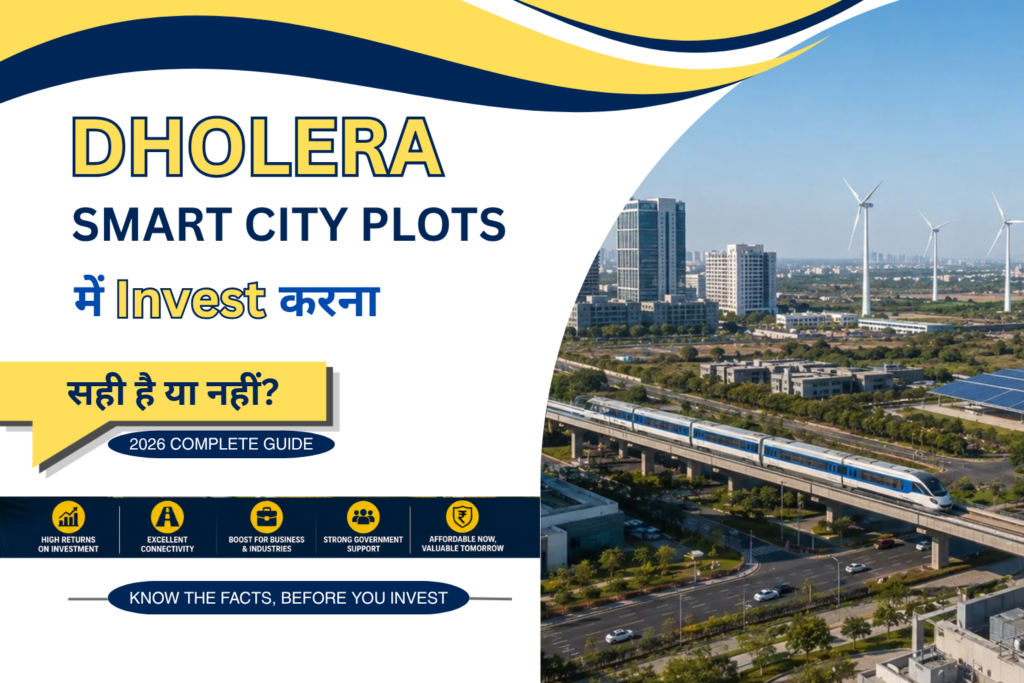
क्या 2026 में Dholera Smart City Plots में इन्वेस्ट करना सही है? हाँ, लेकिन केवल तभी जब आपका इन्वेस्टमेंट होराइजन (investment horizon) 5 से 10 साल का हो और आप सही ज़ोन (Residential Zone 1, Activation Area या Linear Zone) में इन्वेस्ट कर रहे हों। 2026 में, Tata-PSMC Semiconductor Fab Plant, Ahmedabad-Dholera Expressway (NH-751), और Dholera International Airport के चालू होने से यह भारत का सबसे बड़ा इंडस्ट्रियल और मैन्युफैक्चरिंग हब बनने की ओर अग्रसर है। सुरक्षित निवेश के लिए हमेशा RERA-approved और NA (Non-Agricultural) title-cleared प्लॉट्स ही चुनें। बिना किसी ब्रोकरेज जाल में फंसे, सही गाइडेंस के लिए BHADANIREALTOR जैसे ट्रस्टेड पार्टनर्स से सलाह लें। पिछले कुछ सालों में भारत के रियल एस्टेट मार्केट में एक नाम सबसे ज़्यादा गूंजा है—Dholera SIR (Special Investment Region)। सोशल मीडिया से लेकर चाय की टपरी तक, और कॉर्पोरेट बोर्डरूम्स से लेकर NRI गेट-टुगेदर तक, हर जगह एक ही चर्चा है: “क्या धोलेरा वाकई भारत का सिंगापुर या शंघाई बनने जा रहा है, या यह सिर्फ एक रियल एस्टेट हाइप है?” अगर आप एक NRI हैं, अहमदाबाद, सूरत या वडोदरा के बिज़नेस ओनर हैं, या फिर एक सैलरीड प्रोफेशनल हैं जो अपनी गाढ़ी कमाई को एक सुरक्षित और हाई-रिटर्न वाले एसेट में पार्क करना चाहते हैं, तो यह गाइड आपके लिए ही लिखी गई है। इस इन-डेप्थ गाइड में, हम BHADANIREALTOR के ग्राउंड-लेवल एक्सपीरियंस के आधार पर बिना किसी शुगर-कोटिंग के धोलेरा की कड़वी और मीठी दोनों सच्चाइयों को उजागर करेंगे। 1. Dholera SIR का सच: Real Estate Hype vs. Ground Reality धोलेरा को लेकर इंटरनेट पर दो तरह की एक्सट्रीम राय देखने को मिलती हैं: एक तरफ: वे लोग जो इसे एक “Ghost Town” या सिर्फ कागजी प्रोजेक्ट बताते हैं। दूसरी तरफ: वे एजेंट्स जो दावा करते हैं कि आज ₹10 लाख लगाओ और अगले साल ₹1 करोड़ पालो। सच्चाई इन दोनों के बीच में है। [2010-2018: Planning & Master Plan Phase] │ [2019-2023: Trunk Infrastructure & Roads (Activation Area)] │ [2024-2026: Industrial Setup (Tata Semiconductor Fab, Micron Ecosystem)] ◄── CURRENT PHASE │ [2026-2030: Residential Boom & Civic Amenities] धोलेरा कोई रातों-रात बनने वाला टाउनशिप नहीं है। यह 920 वर्ग किलोमीटर (मुंबई से भी दोगुना बड़ा) में फैला एक ग्रीनफील्ड स्मार्ट सिटी प्रोजेक्ट है। ग्राउंड रियलिटी (2026 की स्थिति में): Trunk Infrastructure तैयार है: एक्टिवेशन एरिया (22.5 sq. km) में चौड़ी सड़कें, अंडरग्राउंड यूटिलिटी डक्ट्स (पानी, बिजली, गैस, सीवेज), और वाटर ट्रीटमेंट प्लांट्स पूरी तरह चालू हैं। टाटा का गेम-चेंजर प्लांट: Tata Electronics और ताइवान की PSMC का ₹91,000 करोड़ का सेमीकंडक्टर फैब प्लांट धोलेरा में तेजी से आकार ले रहा है। यह अकेले हजारों हाई-पेइंग जॉब्स पैदा करने वाला है। कनेक्टिविटी अब हकीकत है: अहमदाबाद-धोलेरा एक्सप्रेसवे का काम अंतिम चरणों में है, जिससे ट्रैवल टाइम 2.5 घंटे से घटकर सिर्फ 1 घंटा रह जाएगा। 2. Dholera Smart City में Invest क्यों करें? (The “Why”) अगर आप 2026 में Dholera Smart City Plots में निवेश करने की सोच रहे हैं, तो इसके पीछे के ठोस इकोनॉमिक ड्राइवर्स (Economic Drivers) को समझना जरूरी है। A. सेमीकंडक्टर और इलेक्ट्रॉनिक मैन्युफैक्चरिंग हब भारत सरकार देश को सेमीकंडक्टर का ग्लोबल हब बनाना चाहती है, और धोलेरा इसका केंद्र बिंदु है। Tata Semiconductor Fab: इस प्लांट के आने से केवल टाटा ही नहीं, बल्कि इसकी सैकड़ों एंसिलरी (सपोर्टिंग) कंपनियाँ भी धोलेरा के आसपास ज़मीनें ले रही हैं। जॉब क्रिएशन: जब किसी क्षेत्र में लाखों स्किल्ड इंजीनियर्स और प्रोफेशनल्स आते हैं, तो वहां अचानक से घरों, फ्लैट्स और प्लॉट्स की डिमांड आसमान छूने लगती है। B. वर्ल्ड-क्लास इंफ्रास्ट्रक्चर (जो भारत में कहीं नहीं है) धोलेरा को ‘स्मार्ट’ सिर्फ नाम के लिए नहीं कहा गया है। यहाँ की इंफ्रास्ट्रक्चर प्लानिंग स्विट्जरलैंड और सिंगापुर जैसी है: Underground Utilities: धोलेरा में आपको कोई भी बिजली का खंभा या ओवरहेड केबल नहीं दिखेगी। सब कुछ ज़मीन के नीचे डक्ट्स में है। ICT Enabled City: पूरी सिटी फाइबर-ऑप्टिक नेटवर्क से कनेक्टेड है और इसे एक सेंट्रल कमांड एंड कंट्रोल सेंटर (ABCD Building) से मॉनिटर किया जाता है। Water & Sewage Management: यहाँ हर बूंद पानी को रिसाइकल किया जाता है। पीने के पानी और रीसाइकिल्ड पानी के लिए अलग-अलग लाइनें हैं। C. स्ट्रेटेजिक लोकेशन और कनेक्टिविटी (The Power of 4) कनेक्टिविटी मोड वर्तमान स्थिति (2026) निवेशकों के लिए फायदा Ahmedabad-Dholera Expressway लगभग तैयार / आंशिक रूप से चालू अहमदाबाद से दूरी सिर्फ 60 मिनट। लॉजिस्टिक्स और कम्यूटिंग बेहद आसान। Dholera International Airport रनवे और टर्मिनल बिल्डिंग का काम एडवांस स्टेज पर कार्गो और पैसेंजर फ्लाइट्स सीधे धोलेरा लैंड करेंगी। NRIs के लिए डायरेक्ट एक्सेस। Metro Rail Project प्रस्तावित और फेज-वार काम चालू धोलेरा को अहमदाबाद और गांधीनगर से जोड़ेगा। Dedicated Freight Corridor (DFC) कनेक्टिविटी लाइन्स एक्टिव माल ढुलाई में समय और खर्च की भारी बचत। 3. Dholera SIR Zoning Map को समझना क्यों जरूरी है? धोलेरा में निवेश करते समय सबसे बड़ी गलती लोग यह करते हैं कि वे बिना ज़ोनिंग समझे कहीं भी प्लॉट खरीद लेते हैं। धोलेरा डेवलपमेंट अथॉरिटी (DSIRDA) ने पूरे रीजन को अलग-अलग ज़ोन्स में बांटा है: ┌──────────────────────────────────────────────────────────┐ │ DHOLERA SIR ZONES │ ├─────────────────┬───────────────────┬────────────────────┤ │ Residential (R) │ Industrial (I) │ Knowledge City (K) │ │ – High Density │ – Heavy Industry │ – Universities │ │ – Low Density │ – Semiconductor │ – Research Hubs │ └─────────────────┴───────────────────┴────────────────────┘ Activation Area (एक्टिवेशन एरिया): यह लगभग 22.5 वर्ग किमी का एरिया है जहां सबसे पहले इंफ्रास्ट्रक्चर तैयार किया गया है। यहाँ निवेश करना सबसे सुरक्षित माना जाता है। Residential Zone (R1, R2, R3, R4): R1 Zone: यह हाई-डेंसिटी रेसिडेंशियल एरिया है जो एक्सप्रेसवे और मेजर रोड्स के करीब है। यहाँ कमर्शियल और मिक्स्ड-यूज़ की अनुमति भी मिलती है। R2, R3, R4 Zones: ये ज़ोन्स मुख्य रूप से टाउनशिप और विला प्रोजेक्ट्स के लिए हैं। Knowledge and IT Land: यहाँ यूनिवर्सिटीज, रिसर्च सेंटर्स और आईटी पार्क्स डेवलप किए जा रहे हैं। Industrial and Logistics Zone: यहाँ बड़ी फैक्ट्रियां, वेयरहाउस और मैन्युफैक्चरिंग यूनिट्स आ रही हैं। BHADANIREALTOR का एक्सपर्ट मशविरा: यदि आपका बजट ठीक-ठाक है, तो हमेशा Residential Zone 1 (R1) या Linear Zone के अंदर या उसके बिल्कुल सटीक बॉर्डर पर स्थित प्लॉट्स को प्राथमिकता दें। इन क्षेत्रों में लिक्विडिटी (बेचने में आसानी) सबसे बेहतर होती है। 4. Step-by-Step Investment Guide: धोलेरा में प्लॉट कैसे खरीदें? यदि आपने Dholera Plot Investment का मन बना लिया है, तो आँख बंद करके किसी भी ब्रोकर की बातों में न आएं। इस चेकलिस्ट का पालन करें: [Step 1: Verify RERA & Title] ──►
Dholera Smart City का Future Development Plan क्या है? (The Ultimate Investor’s Guide)

Dholera Smart City (DSIR) का Future Development Plan 920 sq. km. में फैला भारत का पहला Greenfield Smart City प्रोजेक्ट है। इसका विकास 3 मुख्य चरणों (Phases) में हो रहा है: Phase 1 (2025 तक पूरा होने का लक्ष्य): इसमें 22.5 sq. km. का Activation Area शामिल है, जहां सड़कें, पानी, सीवरेज और बिजली जैसी बुनियादी सुविधाएं तैयार हो चुकी हैं। Phase 2 (2025-2032): इस दौरान TP 3 और TP 4 का विकास, Ahmedabad-Dholera Expressway (NH-751) का पूर्ण संचालन और Dholera International Airport का पहला रनवे शुरू होना प्रस्तावित है। Phase 3 (2032-2042): पूरे 920 sq. km. क्षेत्र का पूर्ण विकास और ग्लोबल इंडस्ट्रियल हब का निर्माण। प्रमुख प्रोजेक्ट्स: Tata-PSMC Semiconductor Fab ($11 Billion investment), 5000 MW Solar Park, और Dholera-Ahmedabad Rapid Transit System (Metro). क्या आपने कभी सोचा है कि एक ऐसा शहर कैसा होगा जहां कोई ओपन ड्रेनेज या ओवरहेड बिजली के तार न हों? जहां कचरा अपने आप अंडरग्राउंड पाइपलाइन्स के जरिए रीसायकल प्लांट तक पहुंच जाए? जहां बारिश का पानी सड़क पर जमा होने के बजाय खुद-ब-खुद वॉटर ट्रीटमेंट प्लांट में चला जाए? यह कोई काल्पनिक शहर नहीं है। यह भारत का पहला और सबसे बड़ा Greenfield Smart City – Dholera Special Investment Region (DSIR) है। अगर आप दिल्ली-NCR, अहमदाबाद, सूरत या वडोदरा में रहते हैं और अपनी मेहनत की कमाई को किसी ऐसी जगह निवेश करना चाहते हैं जो आने वाले समय में आपको असाधारण रिटर्न (Multi-bagger Returns) दे, तो Plots in Dholera Smart City आपके लिए एक बेहतरीन विकल्प हो सकता है। लेकिन, किसी भी जगह पैसा लगाने से पहले उसके Future Development Plan को गहराई से समझना बेहद जरूरी है। सोशल मीडिया के दावों से हटकर, इस लेख में हम बात करेंगे धोलेरा की ज़मीनी हकीकत, इसके मास्टर प्लान, कनेक्टिविटी प्रोजेक्ट्स, रिस्क फैक्टर्स और निवेश के सही तरीकों पर। 1. The Investor’s Dilemma: धोलेरा – एक हकीकत या सिर्फ एक सपना? जब भी आप इंटरनेट पर Dholera investment plots के बारे में खोजते हैं, तो आपको दो तरह की बातें सुनने को मिलती हैं: “यह भारत का सिंगापुर बनने जा रहा है, आज ही निवेश करें और अमीर बनें।” “धोलेरा में कुछ नहीं है, यह सिर्फ कागजी योजना है।” असल सच्चाई क्या है? एक स्मार्ट निवेशक के तौर पर आपको इन दोनों ही अतिवादी (extreme) विचारों से बचना होगा। सच यह है कि धोलेरा एक Decadal Project (दशकीय परियोजना) है। यह कोई 2-3 साल में बनकर तैयार होने वाली रिहायशी कॉलोनी नहीं है, बल्कि सिंगापुर से भी बड़ा (लगभग 920 sq. km.) एक नया औद्योगिक और आवासीय महानगर है। शुरुआती सालों में विकास की गति धीमी जरूर थी क्योंकि अंडरग्राउंड इंफ्रास्ट्रक्चर (Trunk Infrastructure) बनाने में समय लगता है। लेकिन आज, धोलेरा का Activation Area (22.5 sq. km.) पूरी तरह से काम करने के लिए तैयार है। टाटा जैसी दिग्गज कंपनी का सेमीकंडक्टर प्लांट यहां आना इस बात का सबसे बड़ा सबूत है कि अब यह सपना हकीकत में बदल रहा है। 2. Dholera Smart City का Master Plan: कैसे विकसित हो रहा है यह शहर? धोलेरा के मास्टर प्लान को Town Planning (TP) Schemes के तहत कुल 6 चरणों में बांटा गया है। इसे आसान भाषा में समझने के लिए नीचे दी गई तालिका को देखें: Town Planning (TP) Scheme Area (Sq. Km.) Key Focus Areas (प्रमुख फोकस क्षेत्र) Status / Expected Completion TP 1 (Town Centre) 51.9 Residential, Commercial, Retail, Parks Phase 1 (Underway) TP 2 (Industrial Hub) 102 Heavy Industries, Electronics, Logistics Phase 1 (Operational Ready) TP 3 & 4 ~180 Mixed-Use, Residential, Recreation Phase 2 (2025-2032) TP 5 & 6 ~200 Mega Industrial Units, Solar Park, Agro-processing Phase 3 (Post 2032) The Activation Area: धोलेरा का दिल (Heart of Dholera) अगर आप आज धोलेरा जाते हैं, तो आपको सबसे ज्यादा हलचल Activation Area (जो कि TP 2 और TP 4 का हिस्सा है) में दिखेगी। 22.5 वर्ग किलोमीटर के इस क्षेत्र में: 4-लेन और 6-लेन की चौड़ी सड़कें बन चुकी हैं। ICT (Information & Communication Technology) इनेबल्ड स्मार्ट एडमिनिस्ट्रेटिव सेंटर (ABCD Building) चालू है। अंडरग्राउंड यूटिलिटी डक्ट्स (बिजली, गैस, पानी, फाइबर ऑप्टिक केबल सब जमीन के नीचे) बिछाई जा चुकी हैं। 3. Top 5 Mega Projects जो Dholera का भविष्य बदल रहे हैं यदि आप buy Plots in Dholera Smart City के बारे में सोच रहे हैं, तो आपको उन ‘Growth Engines’ के बारे में पता होना चाहिए जो आने वाले समय में यहां जमीन की कीमतों को आसमान पर ले जाएंगे: 1. Tata Semiconductor Fab Plant (भारत की पहली चिप फैक्ट्री) फरवरी 2024 में कैबिनेट की मंजूरी के बाद, टाटा समूह ताइवान की PSMC के साथ मिलकर धोलेरा में भारत का पहला कमर्शियल सेमीकंडक्टर फैब स्थापित कर रहा है। ₹91,000 करोड़ ($11 Billion) के इस निवेश से न केवल धोलेरा बल्कि पूरे देश की इलेक्ट्रॉनिक्स सप्लाई चेन बदल जाएगी। यह प्लांट अकेले हजारों हाई-पेइंग जॉब्स पैदा करेगा, जिससे आवासीय जमीनों की मांग (Demand for Residential Plots) तेजी से बढ़ेगी। 2. Ahmedabad-Dholera Expressway (NH-751) वर्तमान में अहमदाबाद से धोलेरा जाने में लगभग 2 से 2.5 घंटे का समय लगता है। लेकिन 109 किमी लंबा, 4-लेन (जो 8-लेन तक बढ़ाया जा सकता है) एक्सेस-कंट्रोल एक्सप्रेसवे इस दूरी को घटाकर मात्र 45-50 मिनट कर देगा। यदि आप expressway view city plots में निवेश करते हैं, तो आपको भविष्य में बेहतरीन कनेक्टिविटी और त्वरित मूल्य वृद्धि (Appreciation) का लाभ मिलेगा। [Ahmedabad] <========== NH-751 Expressway (45 Mins) ==========> [Dholera SIR] 3. Dholera International Airport धोलेरा के नवगाम (Navagam) में बन रहा यह एयरपोर्ट अहमदाबाद के मौजूदा एयरपोर्ट के विकल्प (Alternative) के रूप में भी काम करेगा। इसका पहला रनवे कार्गो उड़ानों के लिए और बाद में यात्री उड़ानों के लिए खोला जाएगा। कार्गो कनेक्टिविटी होने से विदेशी कंपनियां धोलेरा को अपना मैन्युफैक्चरिंग बेस बनाने के लिए प्राथमिकता देंगी। 4. Dholera 5,000 MW Solar Park विश्व के सबसे बड़े सिंगल-लोकेशन अल्ट्रा मेगा सोलर पार्कों में से एक धोलेरा में बन रहा है। यह पर्यावरण के अनुकूल (Green Energy) उद्योगों को आकर्षित करने का एक मुख्य जरिया है, जिससे धोलेरा एक “Carbon-Neutral” स्मार्ट सिटी बनेगा। 4. Dholera में निवेश क्यों करें? (The Benefits & ROI Potential) यदि आप दिल्ली NCR या गुजरात के बड़े शहरों (सूरत, वडोदरा, अहमदाबाद) में रहते हैं, तो आपने देखा होगा कि वहां प्राइम लोकेशंस पर जमीनों के भाव ₹1,00,000 प्रति वर्ग गज से भी ऊपर जा चुके हैं। वहां निवेश करने
Dholera Smart City में आज निवेश करने का सही समय क्यों है?
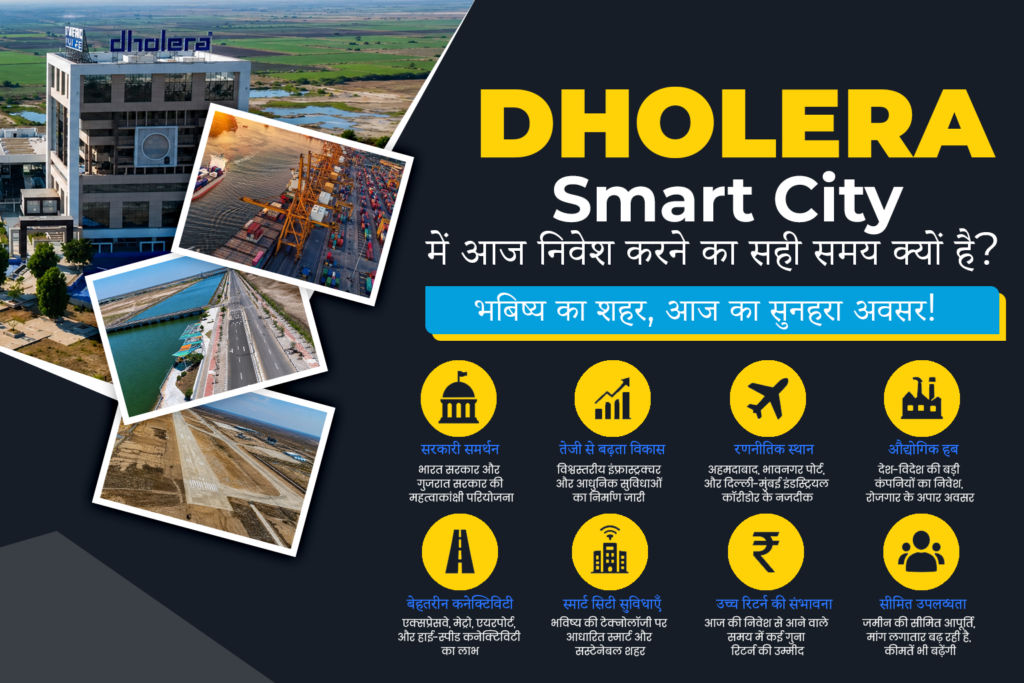
Q: क्या Dholera Smart City में निवेश करने का यह सही समय है? Answer: हाँ, 2026 में Dholera Smart City में निवेश करने का यह सबसे सही (Golden) समय है। इसके मुख्य कारण हैं: Expressway Connectivity: 109 km लंबा Ahmedabad-Dholera Expressway (NH-751) अपने अंतिम चरण में है, जिससे यात्रा का समय घटकर मात्र 1 घंटा रह जाएगा। Anchor Industries: Tata Group का ₹91,000 करोड़ का Semiconductor Fab Plant और Micron Technology जैसी बड़ी कंपनियों के आने से लाखों रोजगार पैदा हो रहे हैं। Operational Infrastructure: 22.5 sq. km. का Activation Zone पूरी तरह तैयार है, जहाँ ICT, Water, Power और Drainage जैसी World-class Smart Infrastructure चालू हैं। Current Low Prices: अभी यहाँ Plots in Dholera Smart City ₹10,000 से ₹25,000 प्रति वर्ग गज (sq. yard) की शुरुआती रेंज में उपलब्ध हैं, जो आने वाले 5 वर्षों में 3x से 5x बढ़ने की पूरी क्षमता रखते हैं। क्या आप अपने Investment Portfolio को अगले 5 से 10 वर्षों में एक नए स्तर पर ले जाना चाहते हैं? क्या आप एक ऐसे Asset Class की तलाश में हैं जो Stock Market की अस्थिरता (volatility) से दूर हो और सोने (Gold) से भी अधिक Return देने की क्षमता रखता हो? यदि आपका उत्तर ‘हाँ’ है, तो भारत के सबसे बड़े Greenfield Industrial Smart City — Dholera SIR (Special Investment Region) — के अलावा आपको कहीं और देखने की आवश्यकता नहीं है। अक्सर real estate circles में एक पुरानी कहावत कही जाती है: “Don’t wait to buy real estate. Buy real estate and wait.” लेकिन जब बात Dholera Smart City plots की आती है, तो यह कहावत और भी अधिक प्रासंगिक हो जाती है। आज, BHADANIREALTOR के इस व्यापक और व्यावहारिक गाइड में, हम बिना किसी Sugar-coating के, वास्तविक आंकड़ों, सरकारी योजनाओं और Ground Reality के आधार पर समझेंगे कि क्यों आज Dholera में निवेश करना आपके जीवन का सबसे समझदारी भरा निर्णय साबित हो सकता है। 1. The Core Problem: निवेशक क्यों असमंजस (Confused) में हैं? इससे पहले कि हम निवेश के फायदों पर बात करें, हमें उस ‘हाथी’ को कमरे से बाहर निकालना होगा जिसके बारे में कोई बात नहीं करना चाहता। एक सामान्य निवेशक के मन में Dholera को लेकर कई सवाल और शंकाएं होती हैं: “Dholera तो सालों से बन रहा है, अभी तक वहां क्या हुआ है?” “क्या यह केवल कागजों पर बनी एक योजना (Paper Plan) है या जमीन पर भी कुछ काम हुआ है?” “कहीं मेरा पैसा किसी गलत Project या Zone में तो नहीं फंस जाएगा?” The Truth: शुरुआती वर्षों (2010-2018) में, Dholera का काम मुख्य रूप से Underground Infrastructure, Planning, Land Acquisition और Environmental Clearances पर केंद्रित था। किसी भी 920 sq. km. के विशाल शहर को शून्य (Greenfield) से खड़ा करने में शुरुआती समय लगता है। लेकिन पिछले 3-4 वर्षों में, यहाँ की प्रगति (progress) की गति ने सभी को चौंका दिया है। जो लोग इसे ‘धीमा’ समझकर दूर रहे, वे आज बढ़ती कीमतों को देखकर पछता रहे हैं। 2. Real-World Analytics: Dholera की Ground Reality (What has changed?) यदि आप दिल्ली NCR, अहमदाबाद, सूरत, वडोदरा या फिर एक NRI निवेशक हैं, तो आपको यह समझना होगा कि Dholera अब केवल एक “भविष्य की संभावना” नहीं, बल्कि एक “जीवंत वास्तविकता” (Living Reality) बन चुका है। Parameter / Project Status in 2020 Current Status (2025) Impact on Plot Prices Ahmedabad-Dholera Expressway Land Acquisition Phase Semi-operational / Finishing Stage Price jump by 35% in adjacent zones Activation Zone (22.5 Sq. Km.) Road & Pipe laying 100% Operational (ICT, Water, Power) Commercial plots demand at peak Dholera International Airport DPR Stage Construction in Full Swing (Navagam) Premium appreciation in nearby TP Schemes Semiconductor Ecosystem Conceptual Tata-PSMC Fab approved & active Industrial housing demand surge 3. Why Invest Now? वो 5 गेम-चेंजर फैक्टर्स जो आपकी Wealth को 5x करेंगे अगर आप आज buy plots in Dholera Smart City का विकल्प चुनते हैं, तो आप केवल जमीन का एक टुकड़ा नहीं खरीद रहे हैं, बल्कि आप भारत की सबसे आधुनिक विकास गाथा (Growth Story) का हिस्सा बन रहे हैं। आइए उन प्रमुख कारणों पर विस्तार से चर्चा करते हैं: A. The Semiconductor Boom: भारत की सिलिकॉन वैली का उदय भारत सरकार ने देश को सेमीकंडक्टर का ग्लोबल हब बनाने के लिए ₹76,000 करोड़ का इंसेंटिव प्लान घोषित किया था। इसका सबसे बड़ा लाभार्थी Dholera बना है। Tata-PSMC Semiconductor Plant: टाटा समूह ताइवान की PSMC के साथ मिलकर Dholera में ₹91,000 करोड़ की लागत से देश का पहला Commercial Semiconductor Fab स्थापित कर रहा है। Direct Job Creation: इस प्लांट से सीधे और परोक्ष रूप से 20,000 से अधिक High-income नौकरियां पैदा होंगी। Housing Demand: जब उच्च वेतन वाले इंजीनियर, वैज्ञानिक और अधिकारी यहाँ आएंगे, तो उन्हें रहने के लिए premium housing, apartments और gated community plots की आवश्यकता होगी। आज खरीदे गए Dholera investment plots भविष्य में भारी रेंटल इनकम और Capital Appreciation देंगे। B. Connectivity Infrastructure (दूरी मिनटों में बदलेगी) Real estate में केवल तीन चीजें मायने रखती हैं — Location, Location, and Location. और लोकेशन की जान होती है कनेक्टिविटी। Ahmedabad-Dholera Expressway (NH-751): यह भारत का पहला 120-meter wide, 4-lane (expandable to 12-lane) expressway है। इसके पूरी तरह चालू होते ही अहमदाबाद से Dholera की दूरी केवल 45 से 60 मिनट की रह जाएगी। इसके किनारे स्थित expressway view city plots की कीमतें पहले से ही आसमान छूने लगी हैं। Dholera Cargo & Passenger Airport: धौलेरा इंटरनेशनल एयरपोर्ट (Navagam) न केवल गुजरात बल्कि पूरे देश के कार्गो मूवमेंट को बदल देगा। इसके पहले रनवे का काम तेजी से चल रहा है। Metro Connectivity: अहमदाबाद-धौलेरा के बीच चलने वाली Rapid Rail/Metro परियोजना भी इस कनेक्टिविटी को एक नया आयाम देगी। C. World-Class Plug-and-Play Infrastructure दुनिया के किसी भी अन्य शहर में, जब आप प्लॉट खरीदते हैं, तो सड़क, बिजली, पानी और सीवरेज लाइन आने में सालों लग जाते हैं। लेकिन Dholera Smart City में ऐसा नहीं है। यहाँ “Plug-and-Play” मॉडल अपनाया गया है: Smart Utilities: बिजली के तार, इंटरनेट केबल, पीने योग्य पानी की पाइपलाइन और गैस पाइपलाइन सब कुछ जमीन के नीचे (underground ducts में) व्यवस्थित हैं। SCADA System: पूरे शहर की निगरानी और प्रबंधन एक केंद्रीय नियंत्रण कक्ष (Central Control Centre) से किया जा रहा है। Zero Flooding Zone: यहाँ का ड्रेनेज सिस्टम इस तरह डिजाइन किया गया है कि भारी से भारी बारिश में भी जलभराव (water-logging) नहीं होगा। 4. Dholera
Connect With Us