
Plots for Sale in Ansals Green Park Alwar: A Practical Investor’s Guide
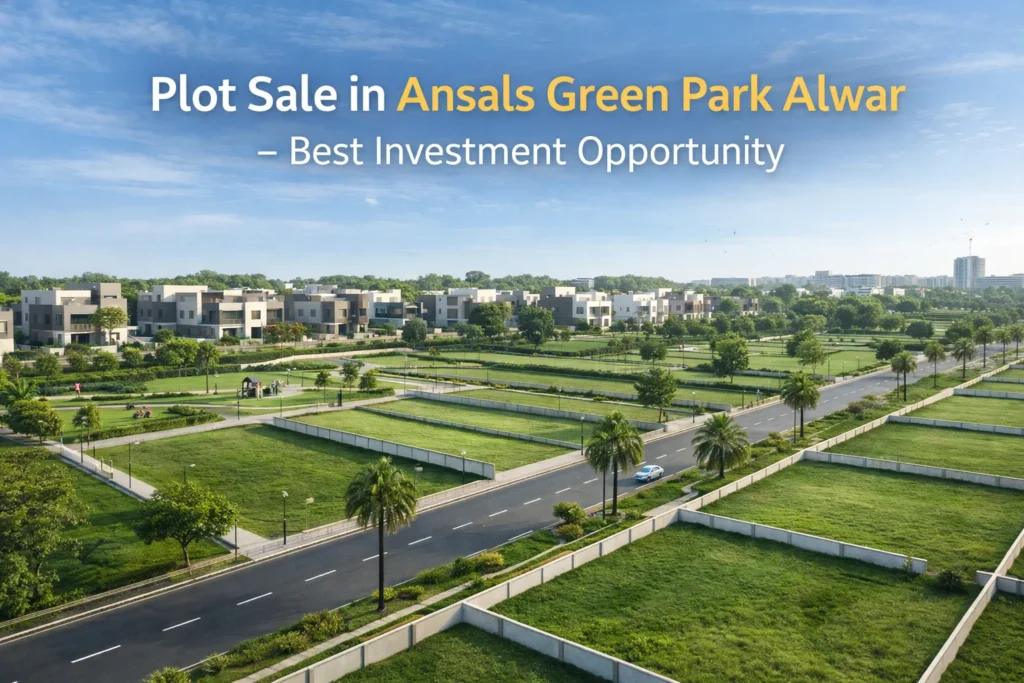
If you’re looking at Alwar as your next real-estate bet, you’re not alone. Over the last few years, I’ve seen more investors and commercial buyers quietly shifting attention from “over-discussed” micro-markets to places that still have room to grow—without feeling like a blind gamble. Ansals Green Park in Alwar often comes up in these conversations for one simple reason: plotted properties can be flexible. You can hold land long-term, build later, or structure the purchase around future use. But the real difference between a smart plot purchase and a stressful one is not the brochure—it’s the checks you do before you commit. This guide is written the way we explain it to serious buyers at BHADANI REALTOR—straightforward, practical, and focused on what matters: safety of investment, future usability, and resale logic. Call Now: +917602654981 | Visit Us: www.bhadanirealtor.com 1) Why Ansals Green Park Alwar Is on Serious Buyers’ Radar A location that works for both end-use and investment Alwar is not just a “weekend name.” It has daily-life demand (local business, jobs, families) and lifestyle demand (people who want cleaner surroundings, more space, and a calmer pace). For investors, this matters because demand from end-users is what supports resale and price stability. Plotted developments give you control Apartments can be easy to buy, but plots give you options: You decide when to build You choose the design/use (within local rules) You can hold with lower “usage pressure” compared to a ready unit In Ansals Green Park, buyers often like the idea of planned layout and a more organized colony feel (as compared to unplanned pockets where road width, access, and demarcation can become day-to-day headaches). 2) Who Should Buy Here? Clear Use-Cases for Investors & Commercial Buyers Land banking (patient investors) If your approach is “buy right, hold well,” plotted land can fit that mindset—provided the paperwork is clean and the plot is usable (proper road access, clear boundaries, and no future dispute risk). Many long-term investors prefer this because there’s no immediate dependency on tenants, furnishing, or rental cycles. Commercial-minded buyers (use-driven purchase) Commercial buyers usually ask one thing early: “Will this location support my intended use later?” If you’re planning a small office, a warehouse-type utility (where allowed), or a mixed-use future plan, the plot’s road width, entry/exit convenience, and approach road become more important than “pretty location.” Buyers wanting a build-ready path (not just an investment) Some buyers want to purchase now and construct within a defined time window. For them, practical factors matter: Availability of water and electricity line feasibility Nearby habitation (not isolated) Plot level and drainage behavior during rains At BHADANI REALTOR, we typically suggest buyers decide their use-case first—because the “best plot” on paper can be a poor fit if your goal is different. 3) What Actually Drives Plot Value in Ansals Green Park? When people ask us for the “best deal,” we first ask: best for what—resale, buildability, or visibility? Plot value isn’t just “rate per square yard.” It’s a combination of features that affect future buyer demand. The plot traits that usually command better resale Corner plots: often get premium interest (more light/air, flexible design), but check boundary clarity carefully. Park-facing or wide-road plots: better demand due to openness and easier access. Regular shape + clear frontage: makes construction easier and reduces wasted space. Levelled plots: can reduce future civil cost. Pricing is not only about size Two plots of the same size can have different practical value depending on: Road width and turning space Plot orientation and build feasibility Nearby construction activity (signals live demand) Legal clarity and clean seller history If you’re actively comparing options, this is where buyers start asking about Best Plot Sale Deals in Ansals Green Park Alwart—not as a slogan, but as a real question: “Which plot gives me the least friction later?” 4) A Real Due-Diligence Checklist (Before You Pay Token or Sign Anything) This is the part many buyers skip in excitement. Don’t. A plot is only a “good investment” if it’s legally safe and physically usable. Here’s a practical checklist we recommend: Document and legal checks Title clarity: confirm the seller’s ownership and chain of documents. Encumbrance check: ensure no loan, lien, or legal dispute is attached. Approvals/layout documentation: verify the plot is part of an approved layout (as applicable). Mutation and tax status: check if mutation is updated and taxes are clear (where applicable). Registry readiness: confirm the plot is eligible for smooth registration and transfer. Site-level checks (on ground, not on WhatsApp) Demarcation: boundaries should be clearly identifiable. Road access: the approach road should match what’s promised. Waterlogging/drainage: ask locals or visit after rain if possible. Surrounding activity: nearby construction and occupancy are practical indicators of growth and livability. A quick note from experience: “Good paperwork + unclear demarcation” can still become a headache. We’ve seen buyers lose time and money just aligning boundaries later. That’s why we insist on physical verification before calling anything the Best Plot Sale Deals in Ansals Green Park Alwart. 5) Future Potential: What Could Realistically Push Value in the Next 3–5 Years? No one can guarantee appreciation—and anyone who promises fixed returns on plots is not being honest. But you can evaluate growth drivers in a sensible way. What typically supports plot appreciation in Alwar pockets Improving connectivity and daily infrastructure: better road links, easier commute patterns, and expanding local services (schools, clinics, markets). Local commercial growth: when basic commerce increases, end-user demand becomes stronger. More permanent residency: plotted colonies gain value as more families move in and construction rises—because the area starts feeling “live,” not speculative. A balanced investor approach If you’re comparing multiple markets, you may also hear buyers discuss best plot sale deals in Dholera as a separate investment theme. That’s fine—just don’t compare two cities only on headlines. Compare: entry price vs realistic exit demand holding timeline legal/document clarity norms actual development on ground With Ansals Green Park Alwar, a sensible strategy is to buy a plot that stays attractive even if growth is slower than expected—meaning good access, clean papers, and build-friendly shape. 6) How BHADANI REALTOR Helps You Buy with Confidence (Not
Government-Approved Plot Sale Projects in Dholera
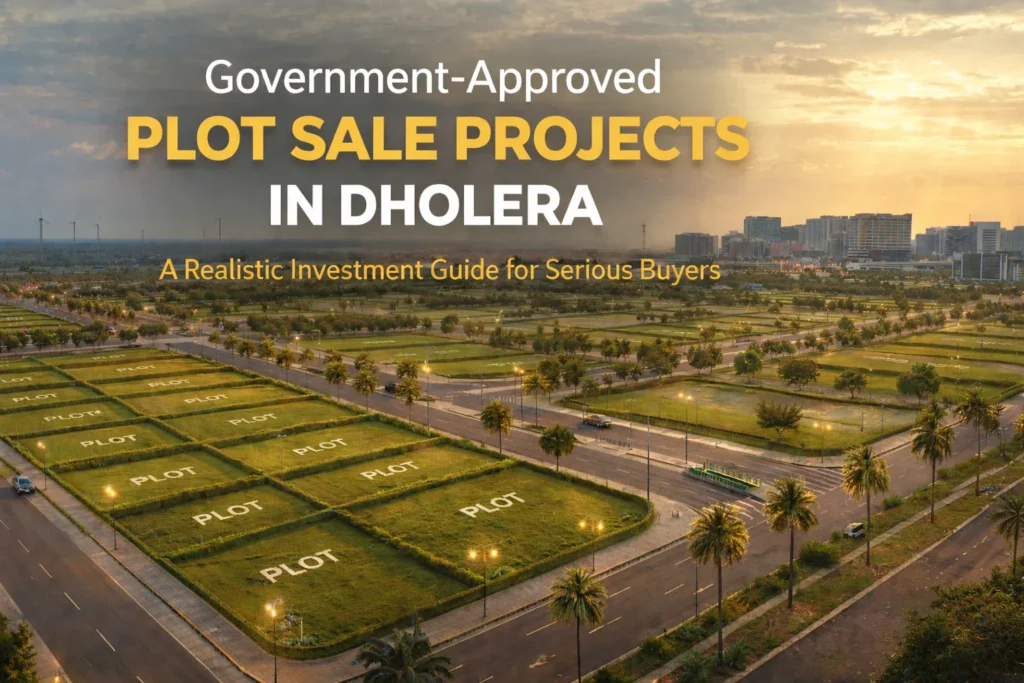
A Realistic Investment Guide for Serious Buyers Over the past few years, Dholera has moved from being just another “upcoming location” to becoming a serious talking point among long-term investors. But let’s be honest — whenever a new area starts trending, confusion also increases. People ask: Is it really government-backed?Are projects approved?Is the documentation clear?Will prices actually grow? If you are exploring Plot Sale in Dholera, especially government-approved projects, this guide will help you understand the ground reality — not just marketing promises. Why Dholera Is Getting So Much Attention Dholera is part of India’s smart city development under the Delhi-Mumbai Industrial Corridor. That’s not just a headline — it means structured planning, zoning clarity, and long-term industrial vision. Unlike random land pockets that grow without planning, Dholera is being developed in phases. Roads, industrial zones, and connectivity infrastructure are part of a larger blueprint. This is why many investors are considering Dholera plot investment not as a quick flip opportunity, but as a long-term asset strategy. The difference here is planning. And in real estate, planning matters. The Importance of Government-Approved Projects One thing I always tell investors: land is safe only when paperwork is safe. In emerging areas, many people make the mistake of buying cheaper plots without checking layout approvals or land titles. That’s where risk begins. Government-approved projects in Dholera typically provide: Clear ownership records Proper layout planning Defined plot demarcation Compliance with local regulations When you choose a verified Plot Sale in Dholera, you are not just buying land — you are buying legal clarity. And legal clarity directly impacts resale value, buyer trust, and long-term liquidity. At BHADANI REALTOR, we first review documents before discussing price. Because in land investment, security comes before appreciation. Is Dholera Plot Investment Really Worth It? This is the question every serious investor asks. The truth? No investment is magic. Growth depends on infrastructure, demand, and time. What makes Dholera plot investment interesting is the structured development model. Industrial allocation, planned roads, and government monitoring reduce speculative chaos. Early-stage investments usually carry patience requirements. If someone is expecting 2x returns in one year, land may not be the right choice. But for those who can hold for 5–8 years, the potential looks promising. Many commercial buyers are already observing zones close to industrial belts. That’s usually where appreciation builds steadily. Residential vs Commercial: Think According to Your Goal Not every investor has the same objective. Residential Plots These are suitable if: You want moderate entry cost You prefer stable appreciation You plan long-term resale to individuals Commercial Plots These make sense if: You are targeting business use You expect industrial activity nearby You’re planning higher capital growth Some of the best plot sale deals in Dholera are currently seen near infrastructure corridors. But location selection is everything. At BHADANI REALTOR, we always ask investors one thing first:“Are you buying for growth, business use, or resale?” Because strategy decides success. What Makes BHADANI REALTOR Different? Real estate decisions are emotional and financial at the same time. That’s why guidance matters. BHADANI REALTOR focuses on: Verified, government-approved options Transparent discussions Practical advice (not hype-based selling) Step-by-step support till registration We understand that investors and commercial buyers want facts, not fancy brochures. Whether you’re exploring Plot Sale in Dholera for portfolio diversification or business expansion, clarity reduces stress. We prefer long-term relationships over one-time transactions. Call Now: +91 7602654981Visit Us: www.bhadanirealtor.com Common Mistakes to Avoid in Dholera Let’s talk honestly. Mistakes happen when people: Buy based on rumors Ignore document verification Expect overnight appreciation Don’t check zoning properly A structured Dholera plot investment should always begin with due diligence. Land rewards patience — not impulsiveness. Is This the Right Time? Timing depends on your financial situation. Dholera is still in its growth phase. Prices are not at peak levels yet, but they are gradually increasing as development progresses. For long-term investors who believe in infrastructure-led growth, Dholera plot investment can be a smart strategic move. The key is choosing approved projects and entering with realistic expectations. Conclusion: Invest with Clarity, Not Excitement Dholera represents structured development, not random speculation. But like any real estate decision, the outcome depends on: Documentation Location selection Holding capacity Professional guidance If you are seriously considering Plot Sale in Dholera, focus on legal security and future planning — not just price per square yard. BHADANI REALTOR is here to guide you with transparency and experience so you can invest confidently. Call Now: +91 7602654981Visit Us: www.bhadanirealtor.com FAQs – Government-Approved Plot Sale in Dholera 1. Is Dholera legally safe for investment? Yes, if you choose government-approved layouts. Verified Dholera plot investment options reduce legal uncertainty. 2. What documents should I verify? Title deed, approval status, zoning details, and layout permissions. 3. Is commercial better than residential? Commercial plots may give higher returns, but residential plots offer stable and lower-risk entry. 4. How long should I hold? Ideally 5–8 years for meaningful appreciation. 5. Can NRIs invest? Yes, NRIs can invest in approved non-agricultural plots under RBI norms. 6. Are bank loans available? Some approved projects may qualify, depending on bank policies. 7. What is the starting budget? It depends on size and location. Entry-level options are still available. 8. How do I confirm approval status? Work with trusted consultants like BHADANI REALTOR and verify official documentation. 9. Is resale demand growing? Yes, demand is gradually improving as infrastructure progresses. 10. Why choose BHADANI REALTOR? We focus on verified projects, clear paperwork, and honest consultation.
How to Find the Best Plot Sale Deals in Ansals Green Park, Alwar?

If you’ve been tracking Alwar’s growth story, you already know why serious buyers are shifting from “just looking” to shortlisting real options. But finding a good deal is different from finding a cheap deal—especially inside a gated township where plot location, paperwork, and future livability directly impact resale and long-term returns. I’ve met plenty of investors who start with one simple goal: get the lowest rate per square yard. A few months later, they realize the “lowest rate” came with hidden costs—odd-shaped plots, documentation delays, access-road issues, or future development constraints. This guide will help you avoid that. Whether you’re planning a long-term hold, a resale play, or looking at a mixed-use angle, here’s how to evaluate Ansals Green Park Alwar plots like a pro and spot the best plot sale deals without taking unnecessary risk. 1) Why Ansals Green Park Is on Investors’ Radar (And What That Means for Deals) The “gated township” advantage isn’t just lifestyle—it’s liquidity For investors and commercial buyers, gated township plots Alwar options often bring one key benefit: easier resale. When a project has clear layout planning, defined roads, and community-level rules, the next buyer feels safer. That confidence becomes liquidity. Demand drivers investors commonly track in Alwar Without overpromising on timelines, here’s what typically pushes demand in pockets like Ansals Green Park: Better connectivity and road improvements over time People shifting from dense city areas to plotted development End-users preferring plotted options over older constructions Investors diversifying into Alwar plot investment for land appreciation potential Deal takeaway When interest rises, “best deals” don’t always mean the lowest listing price. Often, the best deals are the plots that will be easiest to sell later—because the layout, approach, and paperwork are clean. 2) What “Best Plot Deal” Really Means Inside the Township Let’s get practical. When buyers search Ansals Green Park Alwar plots, they usually compare only the rate. I recommend comparing value using four filters. (a) Micro-location: road width, corner advantage, and approach Inside the same township, plot prices can vary meaningfully because of: Main road vs. internal lane location Corner plots (often more flexible for design and visibility) Distance from entry gate or key amenities Nearby open areas (good) vs. awkward dead ends (not so good) For commercial buyers in particular, a plot with better visibility can outperform a “cheaper” internal plot even if both are the same size. (b) Plot shape and dimensions: the silent deal-breaker A listing might look like a bargain until you notice: Irregular shape (reduces usable build area) Odd frontage (limits design and parking) Mismatch between promised size and ground marking Always verify dimensions on-site. I’ve seen cases where a buyer assumed “standard” sizes and later had to redesign an entire plan. (c) Future potential: what can realistically improve value? A good deal is often a plot that benefits from the area’s natural growth: Better approach roads Gradual occupancy increase Improved nearby market activity If you’re aiming for a buy-and-hold, prioritize plots with straightforward access and strong layout positioning rather than chasing the lowest number. (d) Fair pricing vs. “too good to be true” When someone quotes an unusually low figure, ask calmly: why? It could be genuine urgency, but it could also be: Documentation gaps Pending dues Unclear ownership chain Incorrect plot number/location claims This is where a smart buyer wins—by verifying before paying any token. 3) Where the Best Listings Actually Come From (And How to Compare Them) If you’re scanning online portals, you’ll see plenty of “plots for sale in Ansals Green Park Alwar” posts. Some are real. Many are outdated or loosely described. Reliable sources (ranked by practicality) Verified local agents with site access (saves time and reduces fake listings) Direct owner references (good, but verify paperwork carefully) Portals/social posts (useful for discovery, but not final decision) A simple comparison method I use with buyers When you shortlist any plot sale in Alwar Rajasthan, compare using a quick sheet: Plot number + exact location on layout Road width and corner/park facing status Asking price + negotiation scope Documentation status (title chain, dues, registry readiness) Estimated additional costs (stamp duty, registration, any pending charges) This prevents decision-making based on emotion. It also keeps sellers honest because you’re asking structured questions. 4) The Due Diligence Checklist (Before You Pay a Token Amount) This section matters the most. If you want a “deal” that doesn’t turn into a headache, treat due diligence like a non-negotiable step—especially when evaluating land for sale in Alwar Rajasthan. Step-by-step verification checklist 1) Ownership and title clarity Confirm seller’s name matches ownership documents Check how the seller acquired the plot (allotment/transfer) Ask for the full chain of documents if it’s a resale 2) Encumbrance and dues Check if any loan/charge exists Confirm maintenance or township dues (if applicable) Get written clarity on pending payments 3) Layout and plot demarcation Match plot number on papers with the township layout Do a physical site visit for boundary marking Verify road access and measurements on ground 4) Approvals and development status (as applicable) Ask what approvals exist and what documents can be shared Confirm whether any restrictions apply for construction or use 5) Registry and transfer readiness Is the plot ready for registry now? Any legal notice or dispute history? Confirm required NOCs (if any) depending on transaction nature A practical caution from real site visits One common issue I’ve seen: buyers fall in love with a location during a quick visit, then later discover the plot’s exact number doesn’t match what was shown. Always cross-check plot number, layout, and ground position together. 5) Pricing: How to Judge “Ansals Green Park Alwar Price” Without Guesswork Buyers often ask me for a single “correct rate.” The honest answer: Ansals Green Park Alwar price depends on multiple factors, and that’s where opportunity lies. Key factors that move the price Exact location inside the township (main road, corner, park facing) Plot size and frontage Current demand and available inventory Documentation readiness (clean papers usually command a premium) A smart investor’s pricing approach Instead of asking, “What’s the cheapest plot?”, ask: “Which plot will be
How Can I Buy Industrial Plots & Land in Dholera Smart City?
If you’ve been researching Dholera for even a few days, you’ve probably noticed two things: there’s a lot of excitement, and there’s also a lot of confusion. People talk about location, approvals, “best zones,” and future returns—often in the same breath—without explaining the actual buying steps. This guide is written to keep it simple and practical. Whether you’re planning a factory, warehouse, logistics setup, or you’re looking at land purely as a long-term asset, the process is easier when you follow a clear checklist. And if your main goal is a safe, verified dholera industrial plot investment, this blog will help you understand what to do first, what to check, and what to avoid. 1) Why Dholera Smart City Is on Everyone’s Radar (And What That Means for Buyers) Dholera’s appeal is planning + long-term development Dholera Smart City stands out because it’s discussed as a planned growth corridor—something that naturally attracts industrial and commercial attention. When people ask about the future growth of Dholera industrial land, they’re usually trying to understand one thing: “Will this area become more active over time?” No one can honestly promise exact timelines or returns. But what you can do is assess development direction, connectivity, and suitability for your purpose—especially if you’re considering a Dholera industrial plot investment with a medium-to-long holding mindset. “Is Dholera good for industrial investment?” A common question is: is Dholera good for industrial investment? The answer depends on your plan: If you want quick flipping, industrial land may not behave like that. If you want to build, lease, or hold for gradual appreciation, it may align better. The right approach is to treat this like a business decision: verify the land and match it to your timeline. 2) What Exactly Can You Buy in Dholera? (Industrial, Commercial, and More) Industrial land vs commercial land: don’t mix them up When buyers say they want “plots in Dholera,” they often mean different things. Broadly, you’ll come across: Industrial land in dholera smart city: typically suited for manufacturing, processing units, warehouses, and allied uses (subject to zoning). Commercial land in dholera smart city: often considered for showrooms, offices, hospitality, or business-facing setups (again, depending on approvals and location). Land marketed as a dholera industrial area plot: a common phrase, but always confirm what “industrial” means on paper (zoning/land use), not just in the sales pitch. Where do Premium plots dholera smart city fit in? Some buyers prefer options positioned and presented as Premium plots dholera smart city—usually because they want better-planned pockets, clearer layouts, or a more structured purchase experience. The key is not the label. The key is verification: location, permitted use, paperwork, and the reality on the ground. 3) Step-by-Step: How to Buy Industrial Plots & Land in Dholera Smart City Buying land gets much easier when you break it into steps. Here’s a clean way to do it. Step 1: Get clear on your purpose (use-case decides everything) Ask yourself: Are you buying to build soon, or holding for later? Do you need industrial use, commercial use, or mixed opportunity? Will you need large vehicle access, utilities, or proximity to highways? This clarity saves you from buying a plot that “sounds good” but doesn’t fit your actual plan. Step 2: Fix a realistic budget (including hidden costs) Land cost is one part. Also plan for: Documentation/registration costs Legal verification support Boundary marking and basic site work (if needed) If you’re planning a dholera industrial plot investment, a realistic budget also includes the mental budget to hold patiently. Step 3: Shortlist locations and options (don’t rely on photos) Online listings are fine for discovery, but they’re not decision tools. Shortlist a few options and visit—or send a trusted local team to inspect. This is where working with BHADANI REALTOR helps: you get local guidance, comparisons, and a grounded view of what’s actually available. Step 4: Do a site visit with a checklist On the visit, check: Approach roads and practical connectivity Plot demarcation and surrounding development Neighbouring land use (industrial, residential, empty stretches, etc.) Also ask directly: “Can you show me the documents that match this exact plot number?” If someone avoids that, treat it as a red flag. Step 5: Negotiate terms and lock the deal properly Price matters, but so do terms: Payment schedule What’s included/excluded Timeline for documentation and transfer Avoid cash-heavy or unclear arrangements. Clean paperwork protects you. Step 6: Registration and post-purchase clarity After purchase, make sure you keep: Copies of all signed documents Payment proofs Updated ownership records (as applicable) A good advisor will also guide you on what to do next—whether it’s holding, fencing, or planning future use. 4) Due Diligence Checklist: What to Verify Before You Pay Anything This section is where smart buyers separate themselves from rushed buyers. Confirm title and ownership chain You want clean ownership and clarity on who has the right to sell. Get legal help if needed—this is not the place to cut corners. Check land use/zoning (don’t assume “industrial”) Many disputes happen because a buyer assumes a plot is industrial just because it’s marketed that way. Verify permitted use properly. If your goal is industrial activity, the paperwork should support it. Look for encumbrances or disputes Ask for checks related to: Loans/mortgages (if any) Legal disputes (if any) Any restrictions on transfer or usage Validate “too good to be true” deals If someone offers “industrial land for sale dholera” at a price far below the market, ask why. Sometimes it’s genuine urgency. Sometimes it’s unclear paperwork. The price is never the full story. BHADANI REALTOR’s role here is straightforward: helping buyers focus on verification first, and excitement second—so you don’t end up stuck later. 5) Pricing, Holding Period, and ROI: What’s Reasonable to Expect? Think in timelines, not promises A lot of people search for industrial plot roi dholera smart city hoping for a neat number. Realistically, land ROI depends on: Exact location and access Development pace around the plot Land category and approvals Your holding period If you’re considering dholera industrial plot investment, treat it like
Dholera RERA Approved Plots: Best RERA Registered Residential Land for Safe Investment in 2026
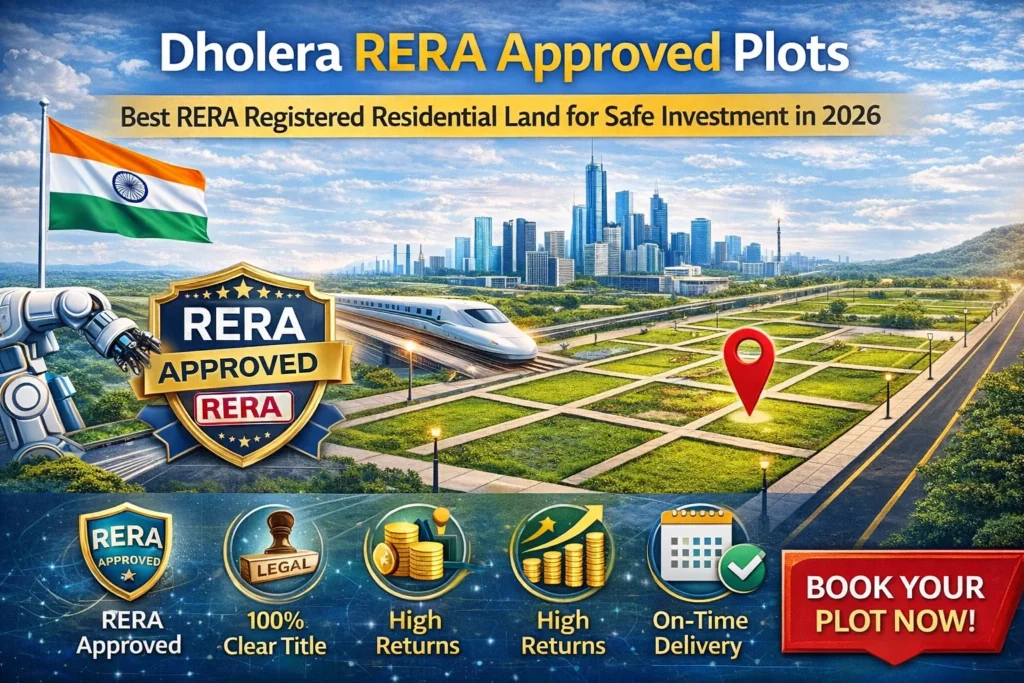
Buying land is exciting—but let’s be honest, it can also feel risky if the paperwork isn’t clean or the project promises sound “too perfect.” That’s exactly why RERA-approved plots are becoming the first preference for serious buyers looking at Dholera in 2026. At BHADANI REALTOR, we regularly speak with investors and commercial buyers who want one thing above all: clarity. They don’t want confusing claims, hidden charges, or documentation surprises later. They want a safe, verifiable purchase—especially when planning a longer-term Dholera plot investment that may be held for years. In this guide, we’ll keep it simple and practical: what “RERA approved” really means, why it matters in Dholera, how to verify a project, and how to choose the right plot based on your goals for 2026. 1) Why Dholera in 2026 Is on Every Investor’s Radar A planned region with long-term intent Dholera isn’t being marketed as “just another plotting area.” It is positioned as a planned development region under the Dholera SIR (Special Investment Region) vision. That’s a big reason why people researching Dholera plot investment are looking beyond short-term flips and focusing on long-term growth. Residential + commercial interest is rising together What’s interesting is that Dholera attracts two types of buyers at once: Families and end-users looking at residential plots in Dholera Investors and business-minded buyers tracking commercial movement and industrial plots Dholera price trends When residential demand and commercial interest grow in the same ecosystem, land markets generally mature faster—but only if the purchase is done safely and transparently. 2) What “RERA Approved Plots” Actually Means (In Simple Words) RERA isn’t a “bonus”—it’s a safety filter RERA (Real Estate Regulatory Authority) registration is meant to protect buyers. In a RERA-registered plotting project, key details are formally declared—such as approvals, layout, timeline (if applicable), and the promoter’s legal commitments. In real-world terms, RERA helps reduce the chances of: Misleading ads or fake urgency tactics Unclear project status “Changed layout later” surprises Documentation gaps that become headaches at resale A quick note based on what buyers often ask A common question we hear is: “If it’s RERA registered, does it mean there’s zero risk?” Truthfully, no system removes all risk. But RERA registration is a strong starting point because it makes the developer/project more accountable and gives you a clear reference point for verification. That’s why, if you’re planning a serious Dholera plot investment for 2026, RERA registration is one of the most practical filters you can apply early. 3) How to Choose the “Best” RERA Registered Residential Plot in Dholera Start with your purpose: end-use, resale, or long hold? Before you compare listings or prices, get clear on one thing: why are you buying? End-use (home later): prioritize livability, access roads, and long-term neighborhood potential. Resale (medium-term): focus on demand pockets and clean documentation that future buyers will trust. Long hold (investment): prioritize credibility, planned connectivity, and steady development signals. This clarity prevents a common mistake: buying a plot that is “cheap today” but difficult to resell because buyers don’t trust the paperwork or location. Location isn’t only about distance—it’s about “future usability” While exploring plots for sale in Dholera, don’t just ask “How far is it?” Ask: Is the internal road layout practical? Is the approach road clear and usable? Does the plot shape support future construction? Is the area likely to attract real end-users later? A plot can look great on paper, but if access and planning are weak, it may sit idle longer than you expect. 4) A Practical Verification Checklist (Do This Before You Pay Anything) When people search plot sale in Dholera, they often focus heavily on price per sq. yd. But in land buying, documentation quality is the real “profit protector.” Here’s a simple checklist you can follow: Buyer’s checklist for RERA-approved plots Check the RERA registration number and match project details on the official portal (project name, promoter name, location). Verify the layout plan you’re being shown matches the registered/approved plan. Ask for title clarity documents (and if needed, get a legal opinion). Confirm what you’re actually buying: plot number, dimensions, exact boundaries, and approach. Understand charges in writing: development charges, maintenance, registry costs, or any extras. Get timelines and deliverables clearly stated (roads, demarcation, basic infrastructure—whatever is promised). Avoid “cash-first” pressure and insist on proper receipts and written commitments. If a seller hesitates on basic verification, treat it as a warning sign—no matter how attractive the deal looks. 5) Residential vs Industrial: What Commercial Buyers Should Consider Residential plots: safer entry for many investors For a large number of buyers, residential plotting is the easier entry point because: Ticket sizes can be manageable Resale markets are broader (more potential buyers) Documentation is often more standardized in reputed plotting projects This is why many people begin their Dholera plot investment journey with residential land and expand later. Industrial angle: watch pricing, approvals, and suitability If you’re a commercial buyer tracking industrial plots Dholera price, take a slightly different approach: Confirm land-use suitability (industrial vs residential vs mixed) Understand compliance needs for your intended use Evaluate connectivity, logistics practicality, and zoning In short: industrial opportunities can be strong, but they require tighter due diligence. 6) What to Expect During Dholera SIR Plot Booking (A Buyer-Friendly Walkthrough) The booking process should feel clean—not confusing A professional Dholera SIR plot booking experience usually includes: Plot selection with a clear layout map Transparent pricing sheet and payment schedule Document checklist shared upfront Site visit support (ideally with proper demarcation guidance) If you’re being rushed without clarity, pause and re-check. A note from on-ground experience One thing I’ve noticed while guiding buyers: many people skip the “boring” part (paper verification) because they’re excited about the site visit. Later, they realize the paperwork matters more than the photo. A plot that is easy to verify today is usually easier to sell tomorrow. 7) Why BHADANI REALTOR for RERA Approved Plots in Dholera There are plenty of listings online for Dholera land for sale. The difference is how confidently you can verify what you’re buying. At BHADANI REALTOR, our focus is not just showing options—it’s helping you shortlist plots that make sense for your goal
