

Dholera Smart City में 5 साल बाद Property Prices कितनी बढ़ सकती हैं?
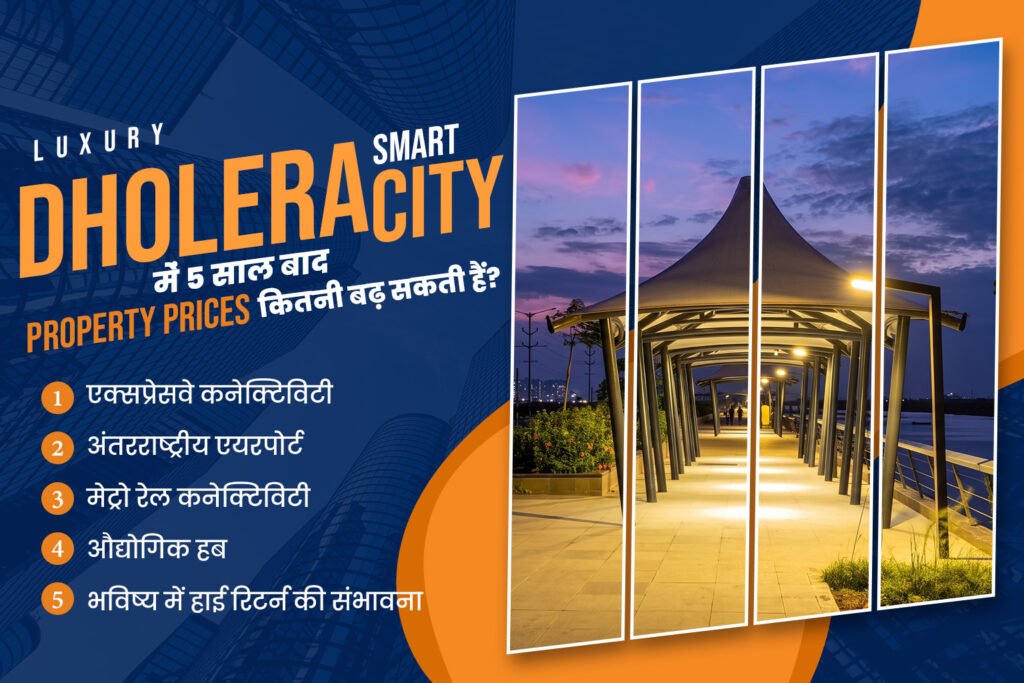
Dholera Smart City में 5 साल बाद (2030 तक) Property Prices में 200% से 400% (3x से 5x) तक की बढ़ोतरी होने की प्रबल संभावना है। यह अनुमान मुख्य रूप से तीन बड़े कारणों (Growth Drivers) पर आधारित है: Tata Electronics & PSMC का ₹91,000 करोड़ का Semiconductor Fab Plant जो 2026 तक एक्टिव हो जाएगा। Ahmedabad-Dholera Expressway और Dholera International Airport का ऑपरेशनल होना (2025-2026)। Town Planning (TP) Schemes के तहत बुनियादी ढांचे (Underground Utilities, Roads, Water Systems) का पूरा होना। वर्तमान में जो रेजिडेंशियल प्लॉट्स ₹10,000 से ₹18,000 प्रति वर्ग गज (Sq. Yard) पर उपलब्ध हैं, उनके 2030 तक ₹35,000 से ₹60,000 प्रति वर्ग गज तक पहुंचने का अनुमान है, बशर्ते वे प्रोजेक्ट्स RERA-Approved और रणनीतिक लोकेशंस जैसे TP 1 या TP 2 में स्थित हों। क्या आप भी दिल्ली-एनसीआर (Delhi NCR), अहमदाबाद (Ahmedabad), सूरत (Surat) या वडोदरा (Vadodara) के उन निवेशकों में से हैं जो म्यूचुअल फंड और शेयर बाजार के उतार-चढ़ाव से थककर एक ऐसे रियल एस्टेट एसेट की तलाश कर रहे हैं जो आने वाले समय में मल्टीबैगर रिटर्न (Multibagger Returns) दे सके? अगर हाँ, तो आपने Dholera SIR (Special Investment Region) या Dholera Smart City का नाम जरूर सुना होगा। सिंगापुर से भी बड़े आकार (920 Sq. Km) में विकसित हो रहा यह भारत का पहला “Greenfield Smart City” इस समय देश के सबसे हॉट रियल एस्टेट इन्वेस्टमेंट डेस्टिनेशन्स में से एक है। लेकिन एक गंभीर निवेशक के तौर पर आपके मन में यह सवाल उठना बिल्कुल लाजिमी है: “क्या धोलेरा सिर्फ एक कागजी सपना है या वाकई यहाँ जमीनी स्तर पर काम हो रहा है? और सबसे महत्वपूर्ण बात—अगर मैं आज यहाँ Plots in Dholera Smart City में पैसा लगाता हूँ, तो आज से 5 साल बाद यानी 2030 तक मेरी प्रॉपर्टी की कीमत कितनी बढ़ सकती है?” इस विस्तृत और रिसर्च-बेस्ड आर्टिकल में, मैं BHADANIREALTOR के सीनियर कंटेंट स्ट्रैटेजिस्ट और गुजरात रियल एस्टेट मार्केट के जमीनी विश्लेषक के रूप में, आपको बिना किसी बढ़ा-चढ़ाकर पेश किए गए दावों (No Hyped Promises) के साथ धोलेरा का वास्तविक गणित समझाऊंगा। 1. The Core Issue: धोलेरा को लेकर निवेशकों में भ्रम क्यों है? (The Trust Deficit) जब भी धोलेरा की बात आती है, तो मार्केट दो धड़ों में बंट जाता है: पहला धड़ा (The Sceptics): जो कहते हैं कि “धोलेरा में पिछले 10 साल से सिर्फ बातें हो रही हैं, वहां कुछ नहीं बना।” दूसरा धड़ा (The Optimists): जो मानते हैं कि यह अगला दुबई या सिंगापुर बनने वाला है। असल सच्चाई क्या है? शुरुआती सालों (2013-2018) में धोलेरा में विकास की गति धीमी थी क्योंकि किसी भी 900+ वर्ग किलोमीटर के ग्रीनफील्ड शहर को बसाने के लिए पहले “Underground Infrastructure” (सीवरेज, ट्रंक लाइन्स, गैस ग्रिड, डक्ट्स, वाटर ट्रीटमेंट प्लांट्स) तैयार करना पड़ता है। जमीन के ऊपर इमारतें खड़ी करने से पहले जमीन के नीचे का ढांचा बनाना पड़ता है, जिसे देखने में समय लगता है। लेकिन 2024-2025 का परिदृश्य पूरी तरह बदल चुका है। अब धोलेरा “Planning Phase” से निकलकर “Execution Phase” में प्रवेश कर चुका है। एलएंडटी (L&T) जैसी दिग्गज कंपनियों ने यहाँ का इंफ्रास्ट्रक्चर तैयार किया है, और अब औद्योगिक गतिविधियों (Industrial Activities) की शुरुआत हो चुकी है। 2. 5 साल बाद (2030) कीमतें कितनी बढ़ेंगी? – The Mathematical Projection रियल एस्टेट में दाम रातोंरात नहीं बढ़ते। वे एक आर्थिक चक्र (Economic Cycle) का पालन करते हैं। धोलेरा में जमीन की कीमतों के बढ़ने के पैटर्न को समझने के लिए हमें इसे तीन श्रेणियों में बांटना होगा: A. TP 1 (Town Planning Scheme 1) – Residential & Commercial Zones यह ज़ोन एक्सप्रेसवे के सबसे करीब है और अहमदाबाद से आने वाले लोगों के लिए पहला प्रवेश द्वार है। वर्तमान कीमत (2025): ₹12,000 – ₹20,000 प्रति वर्ग गज (Sq. Yard) अनुमानित कीमत (2030): ₹45,000 – ₹75,000 प्रति वर्ग गज अनुमानित रिटर्न: 270% से 375% तक (लगभग 3.5x से 4.5x) क्यों बढ़ेगा? यह क्षेत्र सबसे पहले विकसित हो रहा है। यहाँ आवासीय आबादी (Residential Population) सबसे पहले शिफ्ट होगी। B. TP 2 (Town Planning Scheme 2) – Near Activation Zone & Knowledge City यह ज़ोन धोलेरा के मुख्य आर्थिक केंद्र (Economic Hub) के पास है। यहाँ आईटी पार्क, यूनिवर्सिटीज और एडमिनिस्ट्रेटिव बिल्डिंग्स (ABCD Building) स्थित हैं। वर्तमान कीमत (2025): ₹8,000 – ₹15,000 प्रति वर्ग गज अनुमानित कीमत (2030): ₹30,000 – ₹50,000 प्रति वर्ग गज अनुमानित रिटर्न: 250% से 330% (लगभग 3x से 4x) C. Expressway View City Plots (Premium Locations) अहमदाबाद-धोलेरा एक्सप्रेसवे के दोनों तरफ 150-250 मीटर के बफर ज़ोन के पास स्थित प्लॉट्स। वर्तमान कीमत (2025): ₹15,000 – ₹25,000 प्रति वर्ग गज अनुमानित कीमत (2030): ₹60,000 – ₹1,00,000+ प्रति वर्ग गज अनुमानित रिटर्न: 300% से 400%+ (4x से 5x) क्यों बढ़ेगा? कमर्शियल शोरूम्स, होटल्स, और लॉजिस्टिक्स हब्स के लिए इन प्लॉट्स की डिमांड सबसे ज्यादा होगी। 3. Four Massive Growth Drivers: ये कीमतें क्यों और कैसे बढ़ेंगी? बिना ठोस सबूतों के रियल एस्टेट में कोई भी भविष्यवाणी अधूरी है। आइए उन 4 बड़े फैक्टर्स का विश्लेषण करते हैं जो Dholera investment plots की कीमतों को ऊपर धकेलेंगे: Growth Driver 1: Tata Electronics का Semiconductor Fab (The $11 Billion Catalyst) Semiconductor Fab Announcement (2024) ⬇️ Construction of Fab Building (2025-2026) ⬇️ Ancillary Industries & Supplier Base (2026-2027) [Creates 20,000+ High-Paying Jobs] ⬇️ Housing Demand for Engineers & Executives (2027-2028) ⬇️ Exponential Surge in Plot Prices (2029-2030) भारत का पहला कमर्शियल सेमीकंडक्टर फैब्रिकेशन प्लांट (Fab) धोलेरा में बन रहा है। टाटा इलेक्ट्रॉनिक्स और ताइवान की PSMC मिलकर इसे स्थापित कर रही हैं। जॉब क्रिएशन: इस अकेले प्रोजेक्ट से लगभग 20,000 से अधिक प्रत्यक्ष और अप्रत्यक्ष रूप से हाई-स्किल्ड जॉब्स पैदा होंगे। इम्पैक्ट: जब ताइवान और भारत के टॉप-क्लास इंजीनियर्स धोलेरा में रहेंगे, तो उन्हें प्रीमियम हाउसिंग की आवश्यकता होगी। इससे रेंटल यील्ड (Rental Yield) और प्लॉट्स की कीमतों में भारी उछाल आएगा, जैसा कभी गुरुग्राम (Gurgaon) में मारुति सुजुकी के आने या नोएडा में सैमसंग के आने के बाद हुआ था। Growth Driver 2: Ahmedabad-Dholera Expressway (expressway view city plots) वर्तमान में अहमदाबाद से धोलेरा जाने में संकरी और ट्रैफिक से भरी सड़कों के कारण लगभग 2 से 2.5 घंटे का समय लगता है। The Solution: भारत का पहला हाई-स्पीड 109 किमी लंबा अहमदाबाद-धोलेरा एक्सप्रेसवे लगभग बनकर तैयार है। असर: इस एक्सप्रेसवे के चालू होते ही ट्रैवल टाइम घटकर सिर्फ 45 से 50 मिनट रह जाएगा। अहमदाबाद के व्यवसायी और नौकरीपेशा लोग रोजाना धोलेरा से अहमदाबाद आसानी से अप-डाउन कर सकेंगे। कनेक्टिविटी
Dholera Smart City भारत का सबसे बड़ा Greenfield Project क्यों कहलाता है?
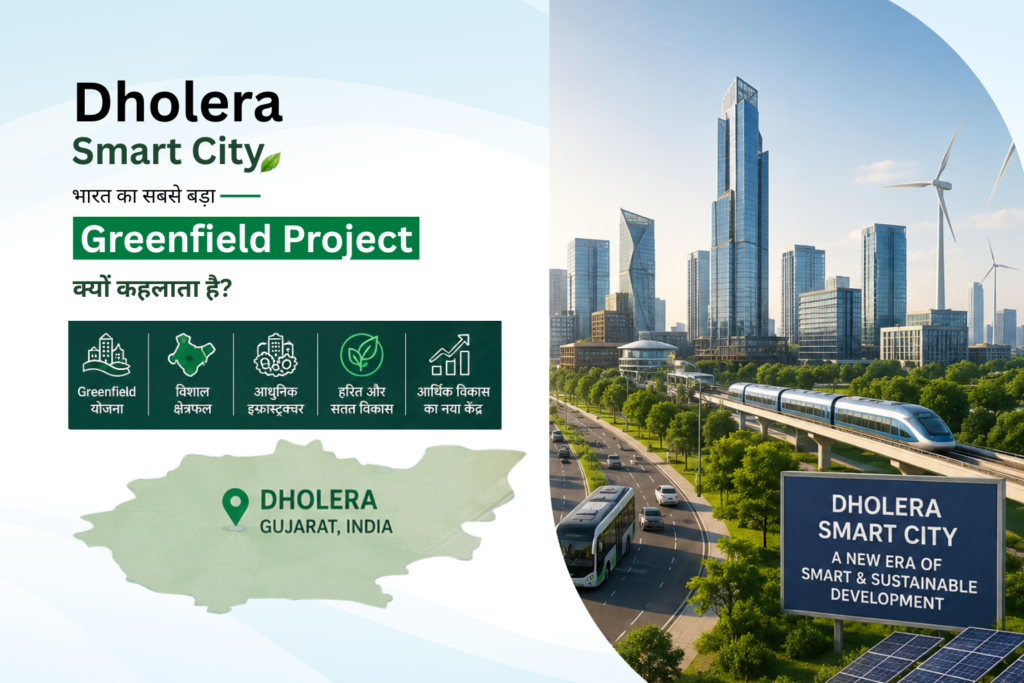
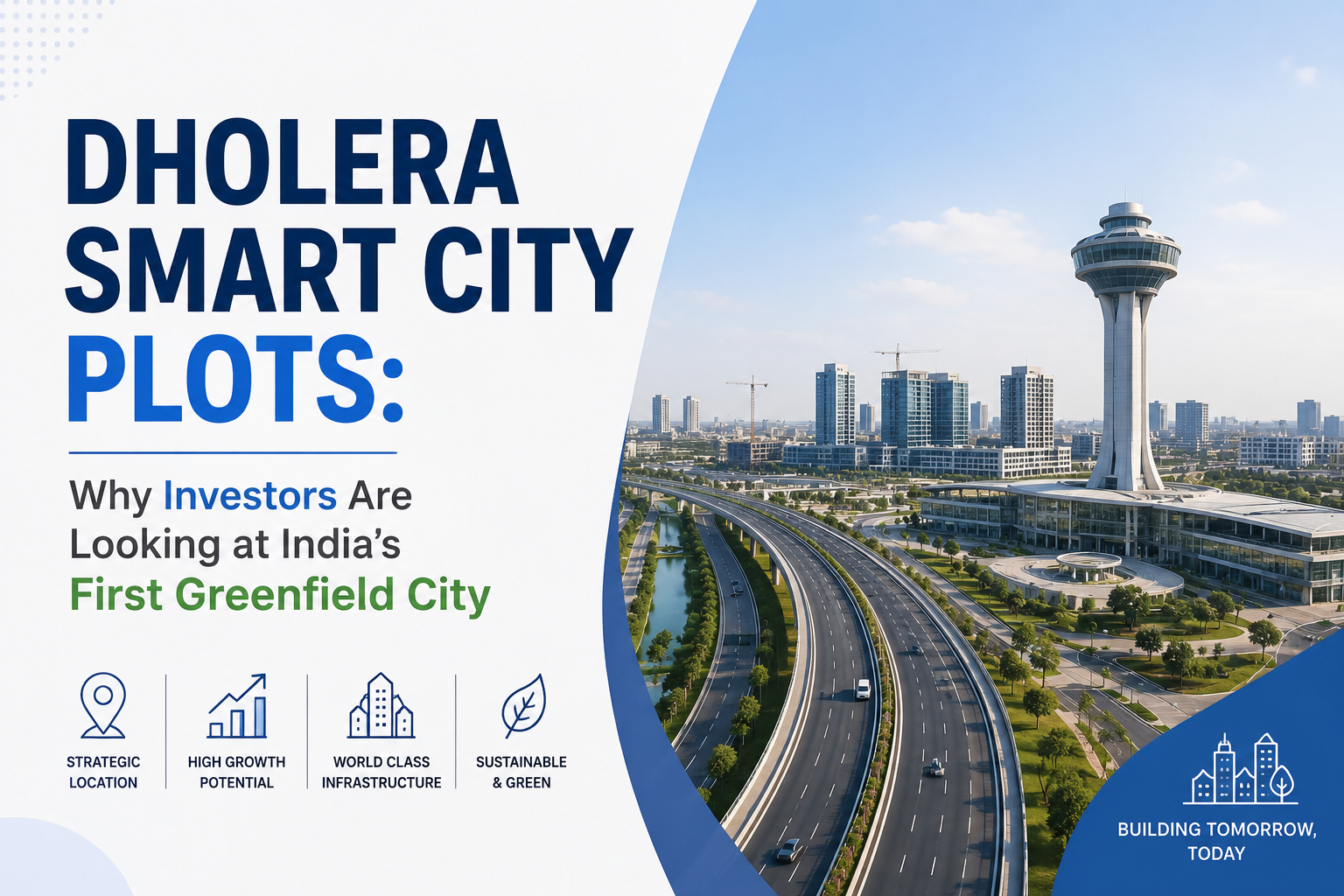
आज के समय में जब हम दिल्ली-NCR, मुंबई या बेंगलुरु जैसे बड़े महानगरों (Metros) में कदम रखते हैं, तो हमें क्या दिखता है? ट्रैफिक जाम, प्रदूषण, बेतरतीब निर्माण (haphazard construction), और पानी-बिजली की किल्लत। इन शहरों की सबसे बड़ी समस्या यह है कि इन्हें बिना किसी दीर्घकालिक (long-term) मास्टर प्लान के बसाया गया था। अब इनमें सुधार करना (Retrofitting) बेहद खर्चीला और लगभग असंभव काम है। लेकिन, जरा सोचिए! क्या ऐसा हो सकता है कि हम एक ऐसा शहर बसाएं जो पूरी तरह से प्री-प्लान्ड हो? जहां ट्रैफिक सिग्नल पर आपको कभी रुकना न पड़े, बिजली कभी न जाए, पानी की एक-एक बूंद रीसायकल हो, और इंडस्ट्रीज से लेकर रेजिडेंशियल एरिया तक सब कुछ पहले से तय हो? Dholera Smart City को भारत का सबसे बड़ा “Greenfield Project” इसलिए कहा जाता है क्योंकि इसे 920 वर्ग किलोमीटर (Sq. Km.) के विशाल अनछुए (undeveloped) लैंड पार्सल पर बिल्कुल शून्य (scratch) से प्लान किया गया है। यह आकार में सिंगापुर से भी बड़ा और शंघाई से दोगुना है। दिल्ली-मुंबई इंडस्ट्रियल कॉरिडोर (DMIC) का हिस्सा होने के नाते, यहाँ वर्ल्ड-क्लास अंडरग्राउंड यूटिलिटी डक्ट्स, ICT-इनेबल्ड इंफ्रास्ट्रक्चर, एक्सप्रेसवे कनेक्टिविटी और इंटरनेशनल एयरपोर्ट जैसी अत्याधुनिक सुविधाएं दी जा रही हैं, जो इसे भारत का पहला ट्रूली “Future-Ready Smart City” बनाती हैं। जी हां, इसी विज़न का नाम है Dholera Special Investment Region (DSIR), जिसे हम और आप Dholera Smart City के नाम से जानते हैं। यदि आप दिल्ली-NCR, अहमदाबाद, सूरत, वडोदरा के एक सूझबूझ वाले निवेशक (Smart Investor), बिजनेस ओनर या NRI हैं, जो अपने पोर्टफोलियो को सुरक्षित और बहुगुणित (multiply) करना चाहते हैं, तो यह विस्तृत गाइड आपके लिए है। BHADANIREALTOR के इस विशेष लेख में हम गहराई से समझेंगे कि क्यों Dholera में निवेश करना आपके जीवन का सबसे बड़ा और सबसे सुरक्षित वित्तीय निर्णय (Financial Decision) हो सकता है। 1. The Core Problem: पारंपरिक रियल एस्टेट निवेश अब रिस्की और कम रिटर्न वाला क्यों हो गया है? एक निवेशक के तौर पर, आपके सामने आज कई बड़ी चुनौतियाँ हैं: मेट्रो शहरों में आसमान छूती कीमतें (Saturated Markets): दिल्ली, गुरुग्राम, नोएडा या अहमदाबाद के प्राइम लोकेशंस में जमीनों की कीमतें इतनी बढ़ चुकी हैं कि वहां एंट्री करना आम या मध्यम-उच्च आय वर्ग (High-Income Professionals) के बजट से बाहर हो चुका है। वहां अब “Saturation Point” आ गया है, यानी अब वहां 5 से 10 गुना रिटर्न की उम्मीद करना बेमानी है। अवैध कॉलोनियां और कानूनी पचड़े (Illegal Plotting Risks): लोकल डेवलपर्स अक्सर बिना RERA, बिना टाउन प्लानिंग (TP) और बिना सरकारी कनवर्टेड लैंड (NA Land) के ही प्लॉट बेच देते हैं। बाद में निवेशकों को कोर्ट-कचहरी और डिमोलिशन (demolition) का सामना करना पड़ता है। बुनियादी ढांचे का अभाव (Lack of Infrastructure): कई बार आप किसी नए विकसित होते क्षेत्र में प्लॉट खरीद तो लेते हैं, लेकिन वहां सड़क, सीवरेज, पानी और बिजली कनेक्शन आने में 10 से 15 साल लग जाते हैं। आपका पैसा लॉक हो जाता है और जमीन की वैल्यू नहीं बढ़ती। मुद्रास्फीति (Inflation) बनाम रियल एस्टेट रिटर्न: फिक्स्ड डिपॉजिट (FD) और म्यूचुअल फंड्स के इस दौर में, अगर आपका रियल एस्टेट इन्वेस्टमेंट सालाना 15-20% की दर से नहीं बढ़ रहा है, तो आप वास्तव में पैसा खो रहे हैं। The Dholera Solution (द सोल्यूशन): इन सभी समस्याओं का इकलौता और अचूक जवाब है: Plots in Dholera Smart City। यह कोई आम रियल एस्टेट प्रोजेक्ट नहीं है; यह भारत सरकार और गुजरात सरकार का एक ड्रीम प्रोजेक्ट है, जिसे कानूनन “Special Investment Region Act, 2009” के तहत सुरक्षा और गति दी गई है। 2. Greenfield Project क्या होता है और ढोलेरा इसमें नंबर-1 क्यों है? रियल एस्टेट और इंफ्रास्ट्रक्चर की भाषा में दो शब्द सबसे महत्वपूर्ण होते हैं: Brownfield Project: जहां पहले से कोई शहर या इंफ्रास्ट्रक्चर मौजूद हो और उसमें सुधार या विस्तार किया जाए (जैसे दिल्ली मेट्रो का विस्तार या मुंबई का रीडेवलपमेंट)। इसमें स्पेस की भारी कमी होती है और कानूनी अड़चनें ज्यादा होती हैं। Greenfield Project: जहां बिल्कुल खाली, अनछुए और बंजर या खेती की जमीनों पर नए सिरे से, आधुनिकतम तकनीक का उपयोग करके एक नया शहर बसाया जाता है। यहाँ प्लानिंग की कोई सीमा नहीं होती। Dholera Greenfield क्यों सबसे अलग और विशाल है? पैरामीटर (Parameter) ढोलेरा स्मार्ट सिटी (DSIR) अन्य सामान्य प्रोजेक्ट्स कुल क्षेत्रफल (Total Area) ~920 Sq. Km (सिंगापुर से भी बड़ा) अमूमन 50 से 200 एकड़ तक सीमित प्लानिंग का स्तर 3-Tier Planning (Macro to Micro) केवल लेआउट प्लान की मंजूरी स्मार्ट इंफ्रास्ट्रक्चर भूमिगत (Underground) यूटिलिटी डक्ट्स ओपन ड्रेनेज और हवा में लटकते तार सड़कें और कनेक्टिविटी 250 मीटर चौड़ा एक्सप्रेसवे, एयरपोर्ट, पोर्ट सामान्य 12 से 30 मीटर की अंदरूनी सड़कें प्रशासन सिंगल विंडो क्लीयरेंस (DSIRDA & ABCD Building) कई विभागों के चक्कर लगाने पड़ते हैं ढोलेरा को “भारत का पहला और सबसे बड़ा Greenfield Smart City” का दर्जा प्राप्त है। इसका पहला चरण (Activation Area – 22.5 Sq. Km.) पूरी तरह से चालू हो चुका है, जहां बड़ी-बड़ी टेक और मैन्युफैक्चरिंग कंपनियां अपनी फैक्ट्रियां स्थापित कर रही हैं। 3. ढोलेरा स्मार्ट सिटी का भौगोलिक और रणनीतिक महत्व (The Geography of Wealth) एक रियल एस्टेट विशेषज्ञ के रूप में, मैं हमेशा कहता हूँ: “Real estate is all about Location, Location, and Location.” लेकिन ढोलेरा के मामले में, यह सिर्फ लोकेशन नहीं, बल्कि “Strategic Economic Gateway” है। A. दिल्ली-मुंबई इंडस्ट्रियल कॉरिडोर (DMIC) का प्रभाव ढोलेरा, DMIC प्रोजेक्ट का पहला और सबसे महत्वपूर्ण नोड (Node) है। इस कॉरिडोर का उद्देश्य भारत के दो सबसे बड़े आर्थिक केंद्रों (दिल्ली और मुंबई) के बीच माल ढुलाई के समय को 14 घंटे से कम करना और इसके दोनों तरफ औद्योगिक शहरों का जाल बिछाना है। ढोलेरा इस कॉरिडोर का मुख्य केंद्र बिंदु है। B. अहमदाबाद-ढोलेरा एक्सप्रेसवे (Expressway View City Plots) अहमदाबाद से ढोलेरा के बीच बन रहा 109 किलोमीटर लंबा, 4-लेन (जिसे 8-लेन तक बढ़ाया जा सकता है) एक्सप्रेसवे कनेक्टिविटी की रीढ़ की हड्डी है। यदि आप expressway view city plots में निवेश करते हैं, तो आपकी प्रॉपर्टी की विजिबिलिटी और कमर्शियल वैल्यू कई गुना बढ़ जाती है। इस एक्सप्रेसवे के चालू होने के बाद अहमदाबाद से ढोलेरा की दूरी महज 45 से 60 मिनट की रह जाएगी। C. ढोलेरा इंटरनेशनल एयरपोर्ट (Dholera International Airport) ढोलेरा में गुजरात का दूसरा इंटरनेशनल एयरपोर्ट बन रहा है। यह सिर्फ पैसेंजर एयरपोर्ट नहीं होगा, बल्कि इसमें कार्गो टर्मिनल (Cargo Terminal)
Why Ansals Green Park Alwar is Becoming the Top Investment Destination in 2026
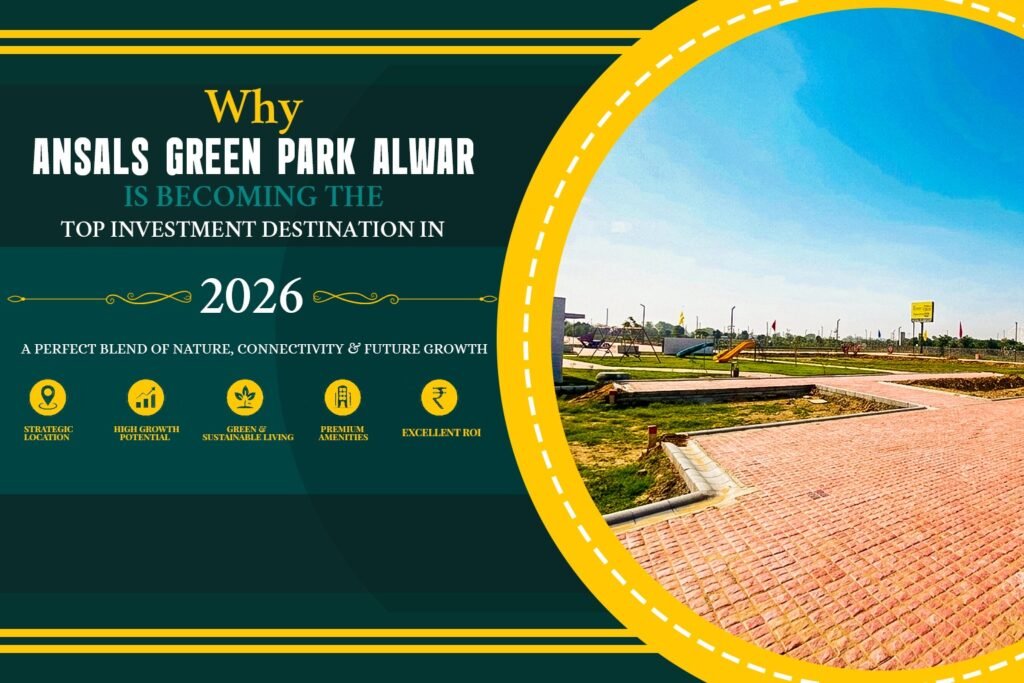
Alwar has become an ideal location for investors looking to invest in the evolving Rajasthan real estate industry, as it is seeing some of the quickest growth in development in the whole state, with Ansals Green Park Alwar being one of the many developments. Investors are attracted to this project due to affordable plot development and long-term value (2026). If you’re interested in investing, searching for land to develop, or wanting to buy a house, this township is currently one of your best options available right now. Increased Demand for Alwar Properties The city has changed dramatically over the last several years from a peaceful heritage city to becoming a rapidly developing real estate center and industrial area. Because of its central location near Delhi and Jaipur, Alwar has become attractive to both investors and families. Some of the reasons that have contributed to making Alwar’s real estate market so strong include: -Easy access by highways to adjacent large cities, including Delhi and Jaipur; -Rapid industrial growth occurring in the area of Bhiwadi and Neemrana; -Relatively low land prices in comparison to the larger NCR region; -Increasing demand for residential properties due to growth in households; -Next-generation infrastructure planned for the future. Due to these factors, many investors are looking for ways to invest in Alwar’s real estate market rather than investing in already congested and saturated metropolitan cities. Reasons for Selecting Ansals Green Park, Alwar Excellent Location Ansal’s Green Park, Alwar, is very popular due to its good location. The project has good connectivity with: Excellent highway connectivity to Delhi and Jaipur Rapid industrial development in Bhiwadi and Neemrana Affordable land prices compared to Gurgaon and Noida Rising housing demand from working families Upcoming infrastructure and commercial expansion If you are seeking investment plots in the vicinity of Bhiwadi, its location is also a big benefit as it is extremely fine being well-connected and its future growth potential. Economical but High Growth Compared with property available in other areas of India, such as Gurgaon, Noida, or Jaipur, property available for sale in Alwar, Rajasthan, is an affordable area to purchase property. So, when investing in Alwar, investors advantages due to; Lower Entry Cost Long-Term Potential for Appreciation in Value As the infrastructure and industry grow around the area, property price will continue to grow steadily in the future; therefore, investing in Alwar property using land is a very practical option both for short-term and long-term investors. Accomplished Gated Community Modern-day home buyers desire more than just a solitary plot with no i.e., a community environment that has been planned from the start to provide them with support as well as safety. The gated neighborhoods at Ansal’s Green Park, Alwar, offer many features typically found in livable premium communities, such as: Wide internal roads 24/7 security systems Parks and landscaped green spaces Dedicated children’s play areas LED street lighting Open gym and recreational zones Planned drainage and infrastructure The gated community of Ansals Green Park Alwar is an attractive place for families and investors. Increasing Demand for Residential Plots in Alwar Buyers are increasingly exploring the benefits of purchasing residential plotted communities instead of if you prefer to do so, because of the following advantages, such as: Higher growth potential long-term More choices regarding the design of the property Lower ongoing costs Greater resale potential for the future The demand for residential plots within Alwar continues to rise rapidly among many of the different types of potential buyers, including: First-time home buyers Retired individuals People living outside India Long-term property investment buyers Business owners living in the NCR The planned neighborhood of Ansals Green Park, Alwar, further enhances the overall value of their residential plots compared to those within the competitive marketplace. Excellent Future Investment Opportunities The Alwar region’s expansion of many commercial and industrial facilities is expected to continue driving demand for housing and multi-family property in Alwar. The planned expansion of: Delhi-Mumbai Industrial Corridor (DMIC) Bhiwadi Growth NCR growth Highway Improvements has contributed to increased housing demand for Alwar. For those looking to invest in Alwar, being an early bird should yield positive returns. Who Should Invest in Ansals Green Park Alwar? Ansal Green Park Alwar can cater to virtually all property buyers. Some of the properties in Ansal Green Park Alwar can be viewed as: Ideal for Investors Excellent appreciation potential Affordable prices Increasing demand for property in Alwar Suitable for Families Peaceful living conditions Welcoming planned community subdivisions Quality of life superior to many large urban centres Beneficial for Builders Different types of properties available Future appreciation of properties Can generate rental income from Ansal Green Park Alwar multi-family properties This versatility is providing many buyers with an opportunity to realize a positive return on their investment in Alwar. Reasons to Invest in 2026 The best benefits of investing in real estate has always been making an early decision. With more investors realizing the potential of Alwar, land prices are projected to keep increasing as more and more investors find out about Alwar. Investors are showing interest in projects like Ansals Green Park Alwar because of the combination of: – Affordable prices, – A well-laid out township, – Good transportation access, and – A long-term growth opportunity. To a buyer wishing to purchase a plot of land in Alwar Rajasthan, waiting too long will likely create an opportunity when prices have risen significantly. Conclusion If you are considering making investment purchases in Alwar real estate in the year 2026, you should consider Ansals Green Park Alwar seriously. It’s combination of location, affordability, planned infrastructure, and future anticipated growth make it one of the best areas for: – Land investment in Alwar, – Residential plots for sale in Alwar, Rajasthan, and – Investment properties for sale in Alwar near Bhiwandi. With continued growth in the residential and investment corridors in Alwar, projects like these will greatly contribute to determining the future real estate developments for the area. Frequently Asked Questions (FAQs) Will investing in real estate
Plots for Sale in Ansals Green Park Alwar: A Practical Investor’s Guide
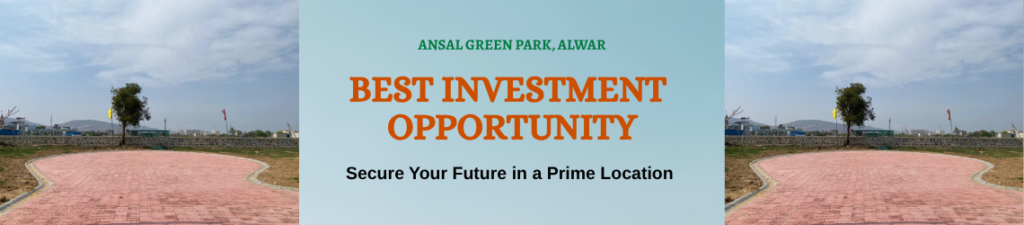
If you’re looking at Alwar as your next real-estate bet, you’re not alone. Over the last few years, I’ve seen more investors and commercial buyers quietly shifting attention from “over-discussed” micro-markets to places that still have room to grow—without feeling like a blind gamble. Ansals Green Park in Alwar often comes up in these conversations for one simple reason: plotted properties can be flexible. You can hold land long-term, build later, or structure the purchase around future use. But the real difference between a smart plot purchase and a stressful one is not the brochure—it’s the checks you do before you commit. This guide is written the way we explain it to serious buyers at BHADANI REALTOR—straightforward, practical, and focused on what matters: safety of investment, future usability, and resale logic. Call Now: +917602654981 | Visit Us: www.bhadanirealtor.com 1) Why Ansals Green Park Alwar Is on Serious Buyers’ Radar A location that works for both end-use and investment Alwar is not just a “weekend name.” It has daily-life demand (local business, jobs, families) and lifestyle demand (people who want cleaner surroundings, more space, and a calmer pace). For investors, this matters because demand from end-users is what supports resale and price stability. Plotted developments give you control Apartments can be easy to buy, but plots give you options: You decide when to build You choose the design/use (within local rules) You can hold with lower “usage pressure” compared to a ready unit In Ansals Green Park, buyers often like the idea of planned layout and a more organized colony feel (as compared to unplanned pockets where road width, access, and demarcation can become day-to-day headaches). 2) Who Should Buy Here? Clear Use-Cases for Investors & Commercial Buyers Land banking (patient investors) If your approach is “buy right, hold well,” plotted land can fit that mindset—provided the paperwork is clean and the plot is usable (proper road access, clear boundaries, and no future dispute risk). Many long-term investors prefer this because there’s no immediate dependency on tenants, furnishing, or rental cycles. Commercial-minded buyers (use-driven purchase) Commercial buyers usually ask one thing early: “Will this location support my intended use later?” If you’re planning a small office, a warehouse-type utility (where allowed), or a mixed-use future plan, the plot’s road width, entry/exit convenience, and approach road become more important than “pretty location.” Buyers wanting a build-ready path (not just an investment) Some buyers want to purchase now and construct within a defined time window. For them, practical factors matter: Availability of water and electricity line feasibility Nearby habitation (not isolated) Plot level and drainage behavior during rains At BHADANI REALTOR, we typically suggest buyers decide their use-case first—because the “best plot” on paper can be a poor fit if your goal is different. 3) What Actually Drives Plot Value in Ansals Green Park? When people ask us for the “best deal,” we first ask: best for what—resale, buildability, or visibility? Plot value isn’t just “rate per square yard.” It’s a combination of features that affect future buyer demand. The plot traits that usually command better resale Corner plots: often get premium interest (more light/air, flexible design), but check boundary clarity carefully. Park-facing or wide-road plots: better demand due to openness and easier access. Regular shape + clear frontage: makes construction easier and reduces wasted space. Levelled plots: can reduce future civil cost. Pricing is not only about size Two plots of the same size can have different practical value depending on: Road width and turning space Plot orientation and build feasibility Nearby construction activity (signals live demand) Legal clarity and clean seller history If you’re actively comparing options, this is where buyers start asking about Best Plot Sale Deals in Ansals Green Park Alwart—not as a slogan, but as a real question: “Which plot gives me the least friction later?” 4) A Real Due-Diligence Checklist (Before You Pay Token or Sign Anything) This is the part many buyers skip in excitement. Don’t. A plot is only a “good investment” if it’s legally safe and physically usable. Here’s a practical checklist we recommend: Document and legal checks Title clarity: confirm the seller’s ownership and chain of documents. Encumbrance check: ensure no loan, lien, or legal dispute is attached. Approvals/layout documentation: verify the plot is part of an approved layout (as applicable). Mutation and tax status: check if mutation is updated and taxes are clear (where applicable). Registry readiness: confirm the plot is eligible for smooth registration and transfer. Site-level checks (on ground, not on WhatsApp) Demarcation: boundaries should be clearly identifiable. Road access: the approach road should match what’s promised. Waterlogging/drainage: ask locals or visit after rain if possible. Surrounding activity: nearby construction and occupancy are practical indicators of growth and livability. A quick note from experience: “Good paperwork + unclear demarcation” can still become a headache. We’ve seen buyers lose time and money just aligning boundaries later. That’s why we insist on physical verification before calling anything the Best Plot Sale Deals in Ansals Green Park Alwart. 5) Future Potential: What Could Realistically Push Value in the Next 3–5 Years? No one can guarantee appreciation—and anyone who promises fixed returns on plots is not being honest. But you can evaluate growth drivers in a sensible way. What typically supports plot appreciation in Alwar pockets Improving connectivity and daily infrastructure: better road links, easier commute patterns, and expanding local services (schools, clinics, markets). Local commercial growth: when basic commerce increases, end-user demand becomes stronger. More permanent residency: plotted colonies gain value as more families move in and construction rises—because the area starts feeling “live,” not speculative. A balanced investor approach If you’re comparing multiple markets, you may also hear buyers discuss best plot sale deals in Dholera as a separate investment theme. That’s fine—just don’t compare two cities only on headlines. Compare: entry price vs realistic exit demand holding timeline legal/document clarity norms actual development on ground With Ansals Green Park Alwar, a sensible strategy is to buy a plot that stays attractive even if growth is slower than expected—meaning good access, clean papers, and build-friendly shape. 6) How BHADANI REALTOR Helps You Buy with Confidence (Not
Affordable Investment Options: Your Guide to Low-Budget Plot Booking in Dholera Smart City
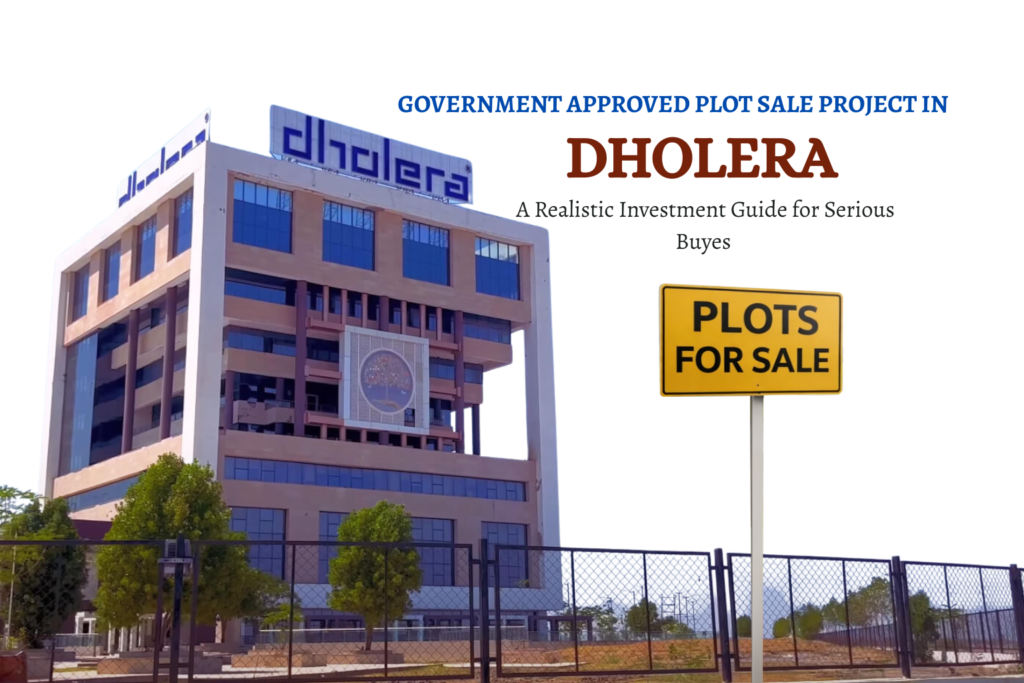
Hello, It’s Rajesh from BHADANI REALTOR. One of the biggest questions I get, often asked in a slightly hesitant voice, is this: “Rajesh, I love the vision of Dholera, but is it only for big-shot investors? Do I need a fortune to even think about buying a plot there?” It’s a valid concern. When you hear about a multi-billion dollar smart city, international airports, and global companies, it’s natural to assume the entry price is sky-high. I’m writing this today to tell you, with genuine excitement, that this is one of the biggest myths about Dholera. The dream of owning a piece of India’s future is not reserved for the wealthy few. It is very much alive and accessible for middle-class families, salaried professionals, and first-time investors. Let’s talk about how you can make a smart, secure, and affordable investment in Dholera. 1. The Myth of the Million-Rupee Entry Ticket First, let’s understand why affordable options exist. Dholera SIR is enormous—at 920 square kilometers, it’s twice the size of Mumbai. It’s not a single, uniform block of land; it’s a tapestry of different zones being developed in carefully planned phases. This creates a spectrum of opportunities. Phased Development: The city is being built in stages. The “Activation Area” is where development is most intense right now, and prices there are naturally highest. However, areas designated for the next phases of development offer a golden opportunity. Investing here is like buying property on the outskirts of a growing metropolis 10 years before it becomes a prime suburb. The entry cost is significantly lower, but the potential for future appreciation is immense as the wave of development reaches your doorstep. Variety of Zones: Dholera is a mixed-use city with dedicated zones for residential, commercial, industrial, and recreational purposes. A plot for sale in Dholera in a purely residential zone will have a different price point than one in a high-density commercial hub. This diversity is your advantage, allowing you to find a location that perfectly matches your budget. 2. Unlocking Value: Your Low-Budget Investment Options & Price Plans So, what do these affordable options actually look like? It’s not about buying substandard land; it’s about smart selection and flexible planning. Here are the most common pathways for budget-conscious investors: Option 1: The Power of Smaller Residential Plots You don’t need to buy a massive estate to secure your future. A well-located residential plot of 100, 150, or 200 square yards is a fantastic asset. It’s large enough for a beautiful future home for your family and represents a significant, high-growth investment. We specialize in identifying the perfect low budget plot for sale in Dholera, Gujarat, that doesn’t compromise on location or future potential. These smaller plots make the dream of ownership a reality for many. Option 2: Strategic Investment in Future Growth Zones This is where a little bit of expert guidance goes a long way. We can help you identify plots in areas that are next in line for development. These plots offer the lowest entry prices in the entire region but are strategically positioned to benefit from upcoming infrastructure like connecting roads or social amenities. It’s a patient investor’s game, but the returns can be truly life-changing. Option 3: Flexible Dholera Smart City Plot Booking Price Plans The upfront cost is often the biggest hurdle. Recognizing this, many reputable developers and we at BHADANI REALTOR work to create flexible payment structures. This can include: Easy EMI Options: Breaking down the cost into manageable monthly installments makes the investment feel less like a burden and more like a systematic savings plan. Milestone-Based Payments: You can structure your payments to align with development milestones, paying parts of the total as the project progresses. This flexibility in Dholera Smart City plot booking price plans is designed to lower the barrier to entry and help you get started. 3. Smart Strategy for a Smart Investment Finding a low-budget plot isn’t just about finding the cheapest option. It’s about finding the smartest option for your budget. Here’s how we guide our clients: Look Beyond the Price Tag: A plot might be cheap, but is it landlocked? Is it in a non-developable zone? We help you look at the bigger picture—its connectivity, its proximity to planned future developments, and its legal standing. Verification is Everything: This is non-negotiable, especially with affordable plots. The market has its share of pitfalls. Our primary job at BHADANI REALTOR is to ensure every plot for sale in Dholera we recommend has a clear title, all necessary government approvals, and is a 100% secure investment. Embrace the Long-Term Vision: An affordable plot is your seed for the future. While appreciation will be steady, the truly exponential growth will happen as the city takes shape over the next 5-10 years. We help you set realistic expectations for this wonderful long-term journey. Conclusion: Your First Step into India’s Future City Is Within Reach Dholera is a story of national ambition, and it is a story that includes everyone. The opportunity to invest is not an exclusive club; it’s an open invitation. Your dream of owning a piece of this future—a secure asset for your children, a place for your retirement, or a wise investment that grows with the nation—is valid and, more importantly, it is achievable. Right now, there is a low budget plot for sale in Dholera, Gujarat, with your name on it. These affordable entry points are a feature of the city’s current development stage. They won’t last forever. As infrastructure gets completed and the city’s hum grows louder, these opportunities will become rarer. Let’s sit down, look at your budget, and discuss your dreams. Together, we can find a plan that works for you. Ready to take the first, affordable step into Dholera? Let’s make it happen. Call Now: +917602654981 Visit Us: www.bhadanirealtor.com
Connect With Us