
If you’ve been researching Dholera for even a few days, you’ve probably noticed two things. First, people talk about it like it’s “the next big thing.” Second, most buyers feel stuck on one question: how do I judge the right deal today when the real story is about tomorrow?
That’s exactly why dholera land investment is often discussed as a long-term opportunity rather than a quick-flip idea. When an area is planned, infrastructure-led, and still developing, the market behaves differently than an already-mature city locality.
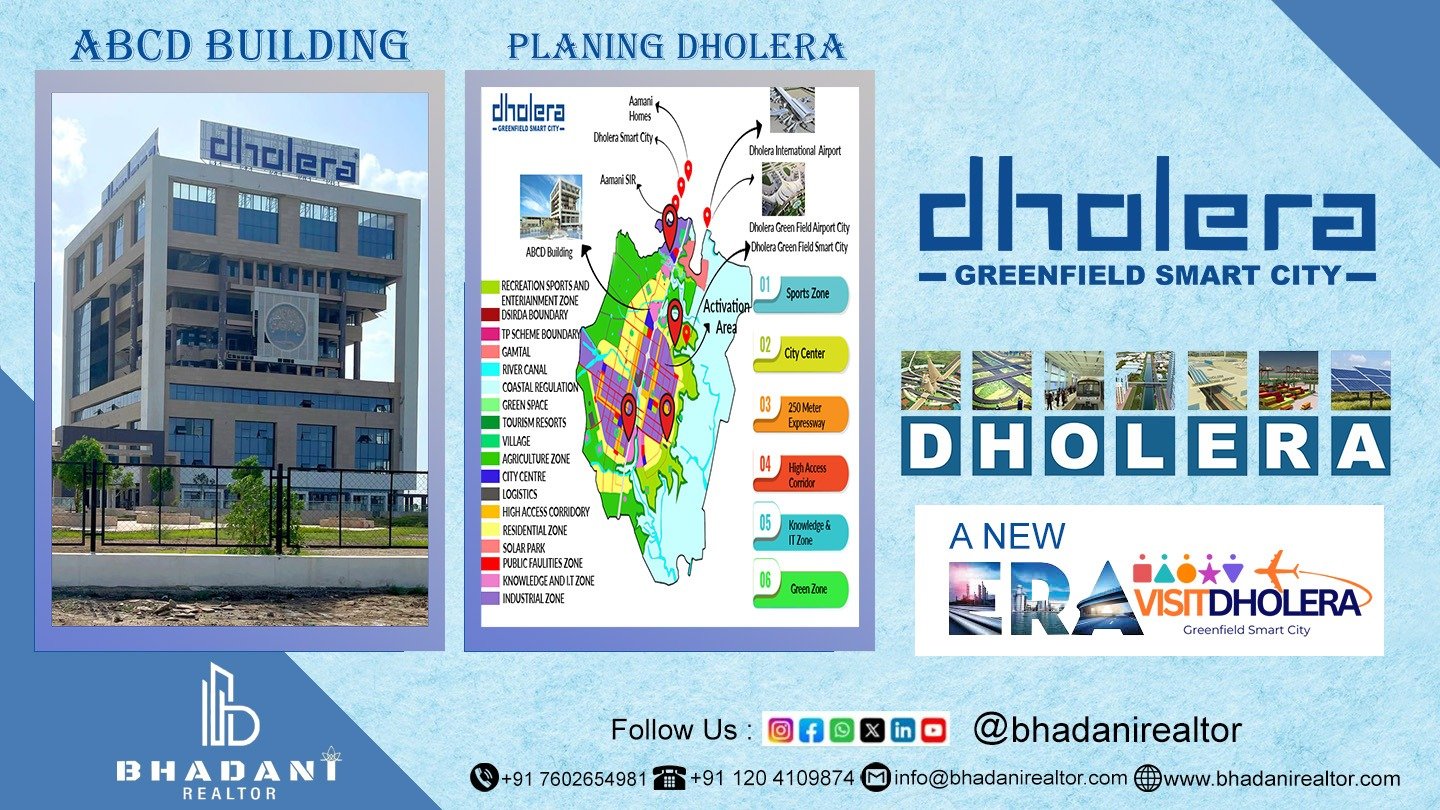
And yes—pricing conversations can get noisy. You’ll hear a lot of chatter about dholera smart city plot price per square feet. It matters, but it’s not the whole decision.
This guide breaks it down in a simple, practical way—what makes Dholera interesting for patient investors, what to check before you buy, and how to think about risks and timelines like a real owner (not a rushed speculator).
1) Think Long-Term First, Not “Fast Profit” First
Real estate usually rewards patience
In most property markets, the biggest gains tend to come from time + fundamentals. Short-term price spikes can happen, but they’re harder to predict and easier to get wrong.
With planned development zones, it’s even more true. Early phases can look slow, then move in steps as infrastructure, jobs, and livability improve. So instead of asking, “Will it rise next month?” a smarter question is:
- “Will this location have better connectivity, more demand, and more real usage in 5–10 years?”
What “long-term” can mean in a planned region
For many buyers, “long-term” realistically means:
- Holding through multiple development phases
- Waiting for better on-ground activity (roads, utilities, commercial use)
- Being comfortable with slower periods
A calm long-term mindset keeps you from overpaying in excitement—or panic-selling during quiet phases.
2) What Makes Dholera Different From a Typical Township?
It’s a planned region, not just a random plotted layout
Dholera is often discussed as a “smart city,” but as a buyer, what matters is simpler: planning changes how an area grows.
In organic growth areas, development happens plot-by-plot, builder-by-builder. In planned regions, growth is influenced more by:
- Infrastructure sequencing
- Zoning and land use planning
- Industrial and logistics activity
- Government-led project execution
That doesn’t mean everything becomes “guaranteed.” It just means you should evaluate it like a long-range infrastructure story, not like a local colony expansion.
Connectivity and infrastructure shape future demand
Long-term land value usually follows long-term usability. The more convenient and “workable” a location becomes, the more stable demand tends to be.
When you assess Dholera’s potential, focus on practical questions:
- How easy will it be to reach from Ahmedabad and other hubs?
- What kind of employment drivers are expected in the broader region?
- Will this area feel livable and investable to the next buyer?
That’s the real foundation behind why people see Dholera as a long-term play.
3) Price Is Not the Same as Value
Understanding today’s pricing conversations
Let’s address the question most investors ask upfront: “What’s the right rate?”
You’ll see many people compare dholera smart city plot price per square feet across different sellers and different locations. That’s normal—but it can mislead you if you compare only the number.
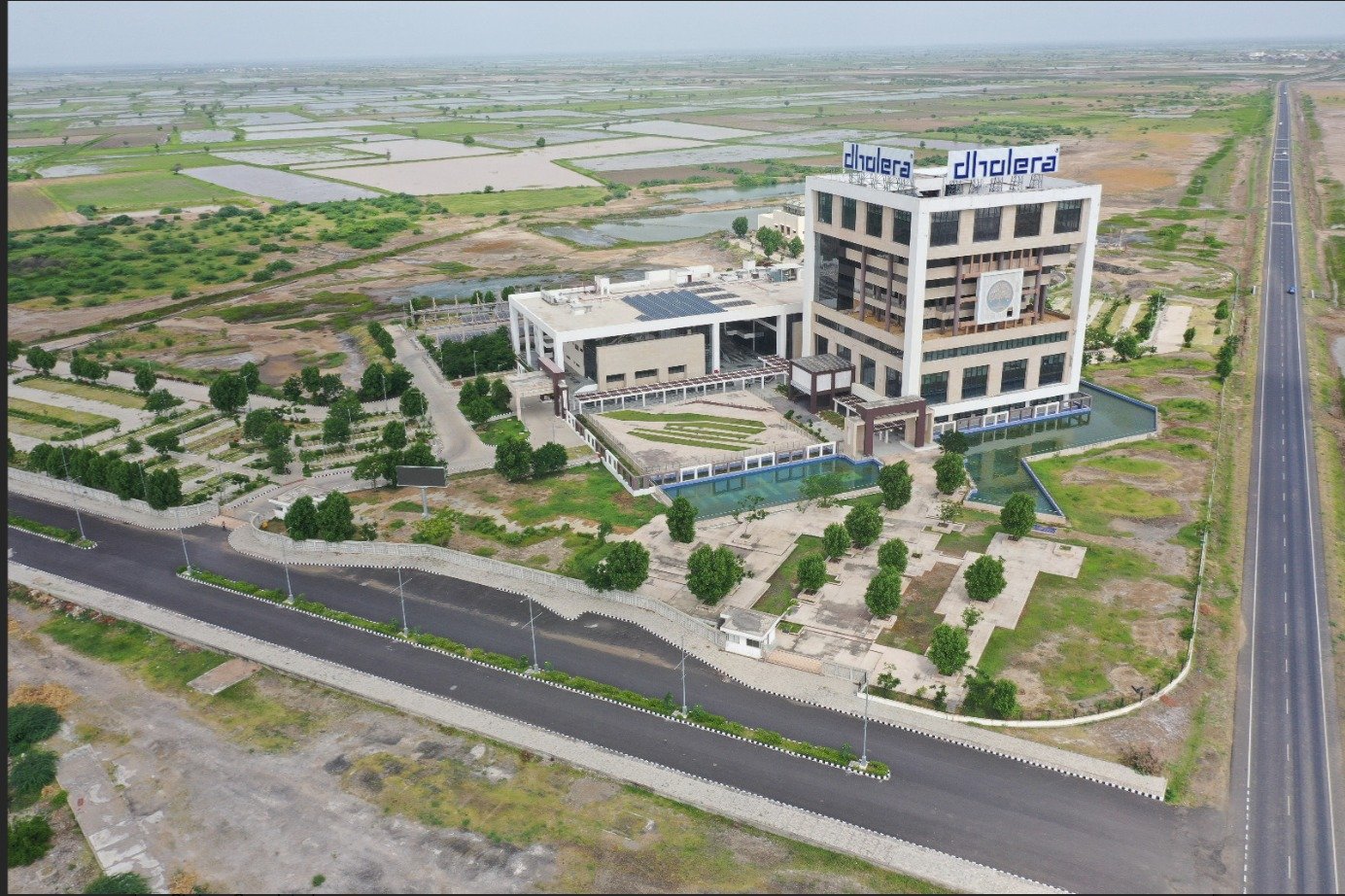
Two plots can have the same per-square-foot quote and still be totally different in terms of:
- Location within the broader region
- Approach roads and accessibility
- Legal clarity and documentation quality
- Plot dimensions, corner/road-facing advantages
- Future resale appeal
So instead of hunting the “cheapest rate,” hunt the “cleanest, most sensible deal.”
What actually moves value over 5–10+ years
Long-term value movement typically comes from:
- Better connectivity (time-to-reach reduces)
- More real usage (people, businesses, warehouses, services)
- Improved local ecosystem (amenities, services, housing demand)
- Clean ownership chains and buyer confidence
In other words, long-term growth is usually a result of demand becoming more real, not just more optimistic.
4) Do Due Diligence Like a Pro Before You Book
Paperwork and clarity protect you more than “tips”
Land can be rewarding, but land also demands discipline. Before you commit to any deal—especially when you’re doing dholera plot booking—treat verification as non-negotiable.
And yes, this is also where pricing becomes meaningful. A “low” dholera smart city plot price per square feet isn’t a bargain if paperwork is weak. On the other hand, a slightly higher rate can be worth it if the plot is clean, accessible, and easy to resell.
A simple checklist to keep you safe
Here’s a quick checklist you can screenshot and use:
- Ownership clarity: Who owns it, and is the seller authorized to sell?
- Title chain: Are previous transfers clear and consistent?
- Encumbrance check: Any loans, disputes, or claims on the land?
- Plot demarcation: Can you physically identify the plot on site?
- Access road: Is approach practical and clearly defined?
- Layout approvals (where applicable): Ask what approvals exist and get copies.
- Sale documentation: Ensure agreements match the plot details exactly.
- Payment trail: Keep payments traceable and documented.
If any part feels unclear, don’t “adjust later.” Land problems rarely become easier with time.
5) Build a Long-Term Strategy Instead of Guessing
Holding period, exit plan, and expectations
If you’re considering Dholera, it helps to decide your strategy upfront. For example:
- Are you buying for a 3–5 year hold, or 7–10+ years?
- Do you want flexibility to exit early if a good offer comes?
- Is the goal capital growth, future construction, or a mix?
When your strategy is clear, you stop getting distracted by daily noise—especially constant comparisons of dholera smart city plot price per square feet.
Liquidity is real—plan for it
Land is not as liquid as an apartment in a high-demand city neighborhood. Sometimes resale is quick; sometimes it takes time. So be honest about your comfort level:
- Keep an emergency fund separate from your land budget
- Avoid over-leveraging for a plot
- Think of it as “patient capital,” not “fast cash”
Long-term investors do well when they plan for time—because time is exactly what land usually needs.
6) Why BHADANI REALTOR Fits the Long-Term Investor Mindset
Clarity beats hype
A long-term opportunity only stays “good” if you buy right. At BHADANI REALTOR, the focus is simple: help buyers make clean, informed decisions that still feel comfortable years later.
That means guiding you through:
- Location shortlisting based on your budget and holding period
- On-ground visits and practical checks (not just photos and promises)
- Document review and transparent process steps
- Clear communication around what’s confirmed vs what’s still developing
When you approach dholera land investment with clarity, you don’t just buy land—you buy peace of mind.
Support that doesn’t end on booking day
A lot of stress happens after purchase: paperwork follow-ups, resale planning, and general guidance. A reliable property partner helps you stay organized and confident long after the initial transaction.
And if you’re tracking market movement over time, it’s easier when someone helps you interpret real on-ground signals—not just rumors.
Conclusion: Treat It Like a 5–10 Year Story, Not a Weekend Decision
Dholera can be a strong long-term opportunity for the right buyer—especially someone who values planning, future connectivity, and patient growth. But the real win comes from doing the basics right: verify documents, prioritize plot quality over “cheap rates,” and set a realistic holding strategy.
If you want to invest calmly, the best approach is to compare options side-by-side, understand what you’re paying for, and choose a plot you’ll feel confident about even if the market stays quiet for a while. That’s how you make sense of dholera smart city plot price per square feet without getting trapped in endless comparisons.
Call Now: +917602654981 | Visit Us: www.bhadanirealtor.com
FAQs
1) Is Dholera suitable for long-term investors?
Yes—if you’re comfortable with a patient timeline and you’re buying with proper checks. dholera land investment is generally discussed as long-term because planned development stories take time to reflect on-ground and in market behavior. The key is to buy only after verifying documents, access, and resale practicality.
2) What factors influence plot rates in Dholera?
Plot rates usually vary by location, road access, plot size, and documentation clarity. Rates can also differ depending on whether you’re comparing the same type of land and the same kind of layout. Instead of looking at only the quote, evaluate the full package: legal clarity + accessibility + future resale appeal.
3) How do I evaluate dholera smart city plot price per square feet correctly?
Compare the rate only after you confirm you’re comparing similar plots—same location zone, similar access, similar documentation quality, and similar plot dimensions. A lower rate may hide risks (unclear title, poor approach road), while a slightly higher rate may be justified by cleaner papers and better resale confidence.
4) Is it safe to buy land in and around Dholera?
It can be safe if you do proper due diligence. Ask for clear ownership documents, check the title chain, confirm the plot’s physical demarcation, and ensure agreements match the exact plot details. Avoid verbal promises. If anything feels unclear, pause and verify before paying.
5) What documents should I check before dholera plot booking?
Ask for ownership proof, previous sale documents (title chain), and any available encumbrance-related confirmation. Also verify plot demarcation and layout details in writing. During dholera plot booking, insist that your paperwork clearly mentions plot number, size, boundaries, and payment terms.
6) What does “dholera smart city plot booking price” usually include?
The term “dholera smart city plot booking price” is often used informally and can mean different things depending on the seller—sometimes it’s a token amount, sometimes it’s a full initial payment. Always ask for a written breakup: what you’re paying now, what’s due later, and what documents you get at each step.
7) Can NRIs invest in Dholera plots?
Many NRIs explore plots as a long-term asset, but rules can depend on the buyer’s status and the exact nature of the land/transaction. The practical advice is: keep documentation extra-clean, use traceable payments, and work with a trusted on-ground partner who can coordinate verification and site visits.
8) What’s a realistic holding period for Dholera land?
A realistic holding period is usually measured in years, not months. Many buyers plan for 5–10 years, depending on their goals. If you want flexibility, choose a plot with strong resale basics: clean paperwork, good access, and a location that’s easy to explain to a future buyer.
9) Can I build immediately after buying a plot?
That depends on the plot type, location, approvals, and local rules. Some buyers purchase purely for holding, while others plan future construction. Before assuming you can build, confirm land use, approvals (where applicable), and any conditions tied to the layout or plot.
10) Why choose BHADANI REALTOR for Dholera property guidance?
Because long-term investing needs clarity, not pressure. BHADANI REALTOR helps you shortlist options, arrange visits, and focus on verification and transparency so you feel confident about what you’re buying. If you want a calm, step-by-step process, you’ll appreciate structured guidance from selection through documentation.
