

Semiconductor Ecosystem is Transforming Gujarat’s Dholera as a Developed Township

Dholera has been in conversations for years—sometimes as a “big plan,” sometimes as a “future city,” and often as a place people are curious about but don’t fully understand. What’s changing now is the clarity. Real, visible progress is starting to connect the dots: infrastructure, industry, jobs, and long-term livability. One of the biggest drivers behind this shift is the rise of the Semiconductor Ecosystem in Gujarat and the serious push to build India’s manufacturing strength. When an industry like semiconductors grows, it doesn’t stay limited to factory boundaries. It creates a ripple effect—new roads, utilities, housing demand, service businesses, and an overall push for planned development. For investors and families thinking long-term, the important question becomes simple: what does this mean for Dholera as a developed township, and how should you approach plot investment sensibly? This blog breaks it down in plain language—what’s happening, why it matters, and how BHADANI REALTOR can help you take the right next step. 1) Why Dholera Is Getting Serious Attention Now (Not Just Talk) Dholera isn’t a random real estate “hotspot.” It’s a planned region under Dholera SIR (Special Investment Region), designed with long-term city planning in mind. That matters because planned development typically brings clearer zoning, better infrastructure alignment, and more structured growth compared to unplanned expansion. Dholera’s location advantage—simple and practical Dholera’s strength is how it can connect industrial growth with wider Gujarat’s economic network. When industries set up in or around a region, the region needs: Reliable road connectivity Power and water infrastructure Logistics and transport support Housing for employees and professionals Commercial spaces for daily needs That’s how a place begins to move from “future plan” to “working township.” The township story is bigger than real estate A developed township isn’t only about buildings. It’s about whether people can realistically live and work there over time—whether schools, markets, medical support, and daily services can grow alongside jobs. When policy, infrastructure, and industry start moving together, demand becomes more natural—not forced. 2) Semiconductors in Simple Words: Why This Industry Changes Cities Most people don’t wake up thinking about semiconductors. But you use them all day: in phones, cars, TVs, appliances, medical devices, and even basic electronics. That’s why countries compete to build chip manufacturing and supply chains—they are essential for modern life. How the Semiconductor Ecosystem creates local demand When we say “ecosystem,” it usually includes more than one unit. It can mean: Manufacturing and assembly units Testing and packaging support Warehousing and logistics Vendor and supplier businesses Skilled and semi-skilled employment And with jobs come people. With people comes demand for homes, rentals, food services, retail shops, transport, and local infrastructure. What this means for Dholera as a developed township Industries don’t just bring machines. They bring movement—daily commuting, business travel, new service needs, and long-term planning pressure. That pressure often improves civic planning and the pace of development, because the region must support both operations and the workforce. This is exactly why Dholera’s township narrative feels more grounded today than it did a few years ago. 3) From Industrial Push to Developed Township: What Changes on the Ground Let’s bring this closer to what people actually care about: “Will Dholera feel like a place you can live in?” and “Will it attract long-term demand?” A developed township typically grows in layers. Here’s how that often happens: Layer 1 — Core infrastructure becomes non-negotiable Industries require basics that can’t be compromised: Strong roads and planned internal networks Stable power supply Water management and drainage planning Telecom and digital connectivity Once these are built to support industrial needs, they also benefit residential and commercial growth. Layer 2 — Housing demand becomes practical, not speculative When employment becomes more stable, housing demand becomes more realistic. Different groups start looking for different options: Workers and technicians (affordable rentals, budget housing) Mid-level professionals (smaller homes, plotted options) Business owners and senior staff (larger homes, premium planning) Plots often become attractive because people want flexibility—build later, build at their own pace, or hold for long-term value. Layer 3 — Services follow the population Once people start living in and around the region, service businesses grow: Grocery and daily needs stores Clinics and pharmacies Schools and coaching classes Restaurants, small offices, repair services This is how “township feel” develops. It’s not overnight—but it becomes steady when job engines are real. 4) What This Means for Plot Buyers: Opportunity, But With a Clear Head With Dholera gaining traction, many people are now asking about the future of plots investment in Dholera—and that’s a fair question. The opportunity can be meaningful, but only when you approach it with the right checks. Why plotted development stays attractive in emerging townships Plots work well in places that are still growing because they offer: Lower entry point than many ready properties (in many cases) Flexibility to build later Potential appreciation if development moves as planned Easier long-term holding (for some investor profiles) But plots also require due diligence. A “good location” is not enough. Paperwork and layout clarity matter just as much. The real drivers of plot demand in Dholera Instead of following hype, watch these practical signals: Connectivity progress (access roads, transport links) Visible infrastructure work nearby Approved planning and clear demarcation Growth of jobs and supporting businesses Demand for rentals and local commerce If these drivers strengthen over time, then the future of plots investment in Dholera can look healthier and more sustainable. 5) A Practical Checklist Before You Buy a Plot in or Near Dholera This section is where smart investors separate themselves from impulsive buyers. If you’re considering a plot, use a simple checklist. 1) Clarify the plot’s status and documentation Ask for clear documentation and verify it properly. Depending on the plot type and location, checks may include: Title clarity and ownership chain Sale deed details NA/NOC status where applicable Layout plan and demarcation Any charges, loans, or disputes (Always consult a qualified legal expert for document verification.) 2) Understand location in a practical way Two plots can be “in Dholera” but
What Is the Future of Plots Investment in Dholera? Growth, Risks & Returns

Buying a plot is one of those decisions that feels simple on paper—until you actually start comparing locations, checking documents, and trying to understand what will truly grow over the next few years. If Dholera is on your shortlist, you’re not alone. Many buyers from Ahmedabad, Gandhinagar, and even NRIs are watching this region closely because it’s being developed under a long-term plan. But the real question is: will it translate into actual returns for plot investors—and if yes, what kind of timeline should you expect? This guide breaks down the future of plots investment in Dholera in a clear, practical way: what’s driving growth, what can go wrong, and how to invest responsibly. 1) Dholera in Simple Words: Why People Are Looking Here Dholera has become a regular topic in property discussions because it’s not being developed like an “ordinary” area where growth is random. It’s a planned region, and that planning can influence infrastructure, zoning, and long-term demand. What “Dholera SIR” means (without jargon) Dholera SIR stands for Special Investment Region. In simple terms, it’s an area planned for structured development—roads, utilities, industrial zones, and supporting urban infrastructure—so that industries and residents can move in over time. That’s why many people exploring Dholera investment opportunities consider it a long-horizon bet. But planning alone doesn’t guarantee profits. Your outcome still depends on where you buy, what paperwork is clean, and how long you can hold. 2) Growth Drivers: What Could Increase Plot Demand Over Time When people ask, “Is Dholera good for land investment?”, the best way to answer is to look at what creates real demand. In land markets, demand usually rises when connectivity improves, jobs come closer, and livability improves. Connectivity and infrastructure changes For any developing region, connectivity is the first trigger. Better roads and smoother access from major cities can gradually change the way people perceive distance and convenience. As connectivity and essential infrastructure improve step-by-step, more buyers start considering Dholera not just for “cheap land,” but for long-term ownership in a region with a planned vision. This is one of the core reasons Dholera SIR plots investment is often discussed among long-term investors. Industrial ecosystem and employment pull Land prices don’t rise sustainably just because people “expect” them to. They rise when there’s an economic reason: businesses, jobs, and the supporting population (housing, services, retail, logistics, etc.). If industrial activity grows steadily, it can create a more natural buyer base—end users, small business owners, and long-term investors—rather than only speculative demand. That’s important when evaluating the Dholera SIR real estate future. Planned development (and why it matters for plots) In unplanned areas, you might see patchy development—some pockets grow, some remain stagnant. In a planned region, growth can be more directional. That doesn’t mean every plot will perform equally, but it does mean location selection (zone, approach roads, surrounding development) becomes even more important. 3) Returns: What’s Realistic for Plot Investors? Let’s be honest—most plot buyers secretly hope for quick appreciation. But plots typically reward patience more than speed, especially in developing regions. Short-term vs long-term: set the right expectation If your holding period is 1–2 years, outcomes can be unpredictable. Prices may move, but liquidity (finding the right buyer at the right price) can be limited depending on the exact location and market sentiment. If your holding period is 5–10 years, your chances of benefiting from planned development generally improve—provided you bought a plot with clean documents and decent future access. This is why people researching the future of plots investment in Dholera should think in “phases” rather than months. What can influence the Dholera land price future? A few practical factors matter more than rumors: Exact location and approach road: Plots with better access usually attract buyers faster. Surrounding development: Nearby activity (even basic) can support resale demand. Legal clarity: Clean title, clear documents, and proper verification directly affect resale value. Overall market cycle: Land markets can slow down during uncertain economic periods. Speculation vs real end-user demand: Too much speculation can create price spikes that don’t sustain. A balanced expectation is simple: don’t buy assuming guaranteed appreciation. Buy only if the deal makes sense even if growth takes longer than expected. 4) Risks You Should Not Ignore (and How to Reduce Them) Every emerging market has risks. The good news is that many plot-related risks are preventable—if you follow a proper process. Risk #1: Document gaps and unclear title This is the biggest one. A “good price” is not a good deal if paperwork is weak. Always verify: Title chain and ownership clarity Sale deed details Any loan/encumbrance history Layout and boundary clarity Whether the plot being shown matches documents on ground If you’re exploring Dholera SIR plots investment, treat due diligence as non-negotiable—because clean paperwork is what protects both your money and your resale potential. Risk #2: Buying based on hype, not location logic Two plots in the same broad region can perform very differently. Common mistakes include: Booking far inside with poor access Ignoring basic site realities (roads, boundaries, nearby usage) Choosing “cheapest available” without understanding why it’s cheap A simple way to reduce this risk: shortlist fewer options, visit the site, and pick based on access + surrounding development potential—not on marketing lines. Risk #3: Timeline and liquidity risk Plots aren’t as liquid as apartments. Even if prices rise on paper, selling at your desired price can take time. If you might need money urgently in the next 12–24 months, consider whether plots are the right asset for you right now. Long-hold investors typically do better. 5) Who Should Invest in Dholera Plots (and Who Should Wait) Dholera can be a good fit for certain investor profiles—but not for everyone. Dholera is a good fit if you… Can hold for 5+ years without financial pressure Prefer land as a long-term asset (not quick trading) Want to diversify beyond city property rates Are ready to do site visits + document checks before booking Understand that development comes in phases If your question is “Should I invest in plots in Dholera?”, the best answer is: only if your
Premium Apartments Near SG Highway Ahmedabad

If you’ve been exploring Ahmedabad’s real estate market, you’ve probably heard one location come up again and again: SG Highway. And it’s not just hype. This corridor has steadily grown into one of the city’s most desirable areas to live—especially if you’re looking for a modern lifestyle, better road connectivity, and long-term value. In this guide, we’ll talk through what makes premium living near SG Highway different, where to look, what to check before you decide, and how to approach the price of premium apartments in Ahmedabad without feeling overwhelmed. If you’re planning to buy premium apartments in Ahmedabad, this blog will help you do it with clarity and confidence. 1) Why SG Highway Has Become a Premium Address in Ahmedabad SG Highway (Sarkhej–Gandhinagar Highway) isn’t just a road—it’s a growth belt. Over the years, it has attracted corporate spaces, better retail, newer residential projects, and lifestyle developments that make daily life smoother. Connectivity that actually saves time SG Highway connects key areas like Prahlad Nagar, Makarba, Thaltej, Bodakdev, and further towards Gandhinagar. It also makes commuting easier to business districts, schools, hospitals, and entertainment zones—without needing to cut through older, congested routes. A lifestyle shift: more “planned” living Many projects here are newer and planned with modern requirements in mind: parking, security, lifts, better layouts, and amenities that older pockets often struggle to retrofit. That’s a big reason people shortlist Premium Apartments in Ahmedabad around SG Highway first—because the overall living experience feels more current. Strong rental and resale demand Because SG Highway stays relevant for both working professionals and families, demand remains fairly consistent. That matters whether you plan to live in the home or keep it as an asset. 2) What “Premium” Really Means (Beyond a Fancy Lobby) The word “premium” gets used loosely. But when you’re comparing options near SG Highway, it helps to know what should genuinely count as premium—so you’re paying for real value, not just marketing. Thoughtful layouts and usable space Premium doesn’t always mean bigger—it means smarter. Look for: Practical room sizes (not awkward narrow spaces) Good ventilation and natural light Efficient kitchen and utility planning Minimal dead space in passages Construction quality you can feel Ask about: Wall and floor finishing quality Window and door fittings Waterproofing standards Sound insulation (especially if near high-traffic roads) Security and daily convenience Premium living is often about peace of mind: Controlled entry/exit CCTV coverage in common areas Professional facility management Reliable power backup for common services Amenities that you’ll actually use A swimming pool is great, but even more valuable are basics that improve routine life: Gym and walking areas Children’s play zone Community space for small gatherings Senior-friendly seating/walking tracks When these boxes are checked, Premium Apartments in Ahmedabad near SG Highway tend to justify their positioning more honestly. 3) Best Micro-Locations Near SG Highway (And Who They Suit) Not all “SG Highway” listings feel the same on-ground. Here are a few micro-pockets buyers commonly consider, depending on lifestyle and commute. Thaltej & nearby stretches: for balanced city access Thaltej is often chosen by buyers who want proximity to established city areas while still enjoying newer development. It’s a strong fit for families who want schools, healthcare, and daily needs close by. Prahlad Nagar, Makarba side: for work-life convenience If your daily routine is tied to corporate offices, co-working hubs, or business zones, this belt can make life easier. You also find plenty of cafés, retail, and services nearby. South Bopal/Shela connectivity: for newer residential clusters Many buyers look slightly off SG Highway for more residential calm while still staying connected. This can work well if you want a quieter environment, more open spaces, and newer societies. Moving towards Gandhinagar: for long-term growth angle If your horizon is long-term and you want to stay near emerging hubs, this side can make sense. It’s also preferred by some buyers working in or around Gandhinagar. If you’re planning to buy premium apartments in Ahmedabad, choosing the right micro-location near SG Highway can be as important as the apartment itself. 4) Pricing, Value, and the “Investment” Angle (Without Overpromising) Let’s talk money in a straightforward way. Premium properties near SG Highway can vary widely depending on builder reputation, project stage, amenities, view/open space, and exact location. Understanding the price range (the practical way) Instead of chasing “the lowest quote,” compare on: Carpet area vs built-up area clarity Floor rise, parking type, and view Maintenance expectations and society quality Possession timeline and construction progress This gives you a cleaner way to evaluate the price of premium apartments in Ahmedabad—especially in premium corridors where two projects can look similar online but feel very different in reality. Is it a good investment? Many buyers today look at a “home + asset” approach. If that’s you, think in terms of: Long-term livability (which supports resale demand) Rental potential (who would rent here and why) Area development signals (new roads, retail, offices) This is where the phrase luxury apartment investment Ahmedabad often comes up. The smarter approach is to treat it as a stability-focused investment—premium projects in strong corridors tend to attract consistent interest when they’re genuinely well-built and well-managed. 5) A Simple Checklist Before You Finalize Anything Premium buying should feel exciting—but also calm and verified. Here’s a no-nonsense checklist to protect your decision. Legal and documentation checks RERA registration details (project and builder) Approved plans and clear titles Sale agreement terms (payment schedule, penalties, inclusions) Builder and project credibility Past delivery track record Quality consistency across projects Transparency on specifications (not vague brochures) Practical society questions (people forget these) Visitor parking availability Lift-to-flat ratio Water supply and backup systems Maintenance estimate and what it includes Pet rules (if relevant to your family) Site visit tips that actually help Visit once on a weekday and once on a weekend Check noise levels, road access, and traffic flow Ask to see sample flat and material specs If you want, BHADANI REALTOR can help you compare options side-by-side—so you’re not relying only on photos, ads, or rushed site tours.
What Is the Future of Land Investment in Alwar, Rajasthan?

Land has always been a “slow and steady” wealth-builder in India—but not every city rewards patience equally. Alwar, Rajasthan is one of those places that’s quietly moving from “nice weekend destination” to “serious long-term investment zone.” If you’re wondering whether this is the right time to buy, where the demand is going, and what to check before you put your money into a plot, this guide will simplify it. It’s written for real people—families planning a home, NRIs looking for a safe asset, and investors tracking the next practical growth pocket in Rajasthan. BHADANI REALTOR works with plot buyers in and around Alwar and can help you shortlist verified options, understand locality-wise rates, and avoid common paperwork mistakes—especially if you’re buying from another city. 1) Why Alwar Is Getting Attention (And Not Just From Tourists) A city that sits “between opportunities” Alwar has a unique advantage: it benefits from Rajasthan’s affordability while staying connected to bigger job and business ecosystems. That combination often creates steady demand for plotted land—both for living and for long-term holding. What’s changing on the ground? A few years ago, many buyers looked at Alwar only for occasional visits or retirement plans. Today, more people are asking practical questions like: “Is Alwar good for plot investment for the next 5–10 years?” “Which side of the city is expanding faster?” “Are there legal plots in Alwar with clear documents and approvals?” This shift in buyer mindset is important. When end-users enter the market (not just investors), plot demand becomes more stable and more “real.” 2) The Big Drivers Shaping the Future of Land Investment in Alwar Better connectivity = stronger plot demand Infrastructure doesn’t just make travel easier—it changes where people choose to buy property. Connectivity improvements generally lead to: more people considering Alwar as a primary or second-home city easier movement for business owners and working professionals rising demand in areas near key roads and growth corridors When connectivity improves, the “best area to buy plots in Alwar” also evolves—so it’s worth reviewing location choices with a local expert rather than relying on old assumptions. Lifestyle-led buying is growing Not everyone wants a cramped apartment. Many buyers now prefer: independent homes with open space a small garden/parking quieter localities with planned layouts That naturally supports demand for plotted development and approved plotting projects. More focus on approved layouts and safer purchases One big trend we see across Rajasthan is that buyers are becoming document-aware. People don’t just ask about rate; they ask about: registry process approvals road access electricity/water feasibility future resale ease This is good news for long-term investors because it reduces “speculative” transactions and improves overall market quality—especially in the segment of approved plots for sale in Alwar. 3) Price Outlook: What to Expect in the Coming Years Will rates rise sharply or steadily? In most Tier-2 and emerging markets, land prices usually move in phases: slow movement while the area is “discoverable” a jump when development becomes visible (roads, projects, population movement) steady appreciation once the locality matures Alwar looks like it is moving from phase 1 to phase 2 in several pockets. That doesn’t mean every plot will double quickly—but well-located, legally clear plots tend to do well over time. What influences residential plots in Alwar price the most? You’ll see meaningful differences based on: distance from main roads/market areas whether it’s a plotted colony with proper layout and access legal clarity (title, mutation, conversion where needed) availability of utilities and livability reputation of the developer/seller A smart way to track the market is to compare residential plots in Alwar price across 2–3 short-listed localities, not across the whole city. City-wide averages can be misleading. A practical expectation (no hype) If your goal is a safe, long-term asset: Alwar is more about steady wealth-building than overnight profits. The best results typically come when you buy the right plot (clear papers + good approach road + realistic rate) and hold it through the next development cycle. 4) Opportunities vs. Risks: What Smart Buyers Should Watch The opportunity: Strong demand for genuine plots If you choose legal plots in Alwar with clean paperwork, your resale pool becomes bigger: end-users feel confident banks/loan assistance becomes easier in many cases documentation reduces buyer hesitation That’s why “cheap” plots are not always the best deal—clarity sells. The risk: Document shortcuts and unclear titles Common issues buyers should avoid in plot sale in Alwar Rajasthan: unclear ownership chain missing mutation entries disputes between family members land type confusion (agri vs. residential use) layout being marketed without proper approvals These problems don’t always show up on day one. They show up when you try to build, resell, or transfer—when it’s too late to “fix easily.” A simple safety checklist Before you pay token or sign anything, ask for: seller ID and ownership proof latest registry/transfer deed copy mutation status (naamantaran) map/layout details and access road confirmation any approvals/permissions relevant to the project If this sounds like a lot, don’t worry—this is exactly where a trusted local advisor helps. BHADANI REALTOR can guide you through verification steps so you don’t buy a plot that looks fine on WhatsApp photos but turns complicated later. 5) A Clear, Practical Guide: how to buy plots in Alwar Rajasthan (Without Regret) Buying land isn’t difficult—it just needs a clean process. Here’s a simple roadmap that works for most buyers. Step 1: Fix your purpose first (investment vs. construction) If you’re buying for construction in the next 1–2 years, prioritize: access roads nearby utilities neighborhood livability If you’re buying purely for investment, prioritize: growth corridor potential future resale demand clean paperwork over “lowest rate” Step 2: Shortlist 2–3 areas, not 20 listings Online listings can confuse you. Start with a shortlist and compare like-for-like: plot size corner vs. normal plot road width legal status surrounding development This is also the most practical way to judge residential plots in Alwar price without falling for unrealistic “starting from” rates. Step 3: Verify documents before token This is the most important step in how to
How to Buy Plots in Dholera SIR Safely in 2026?
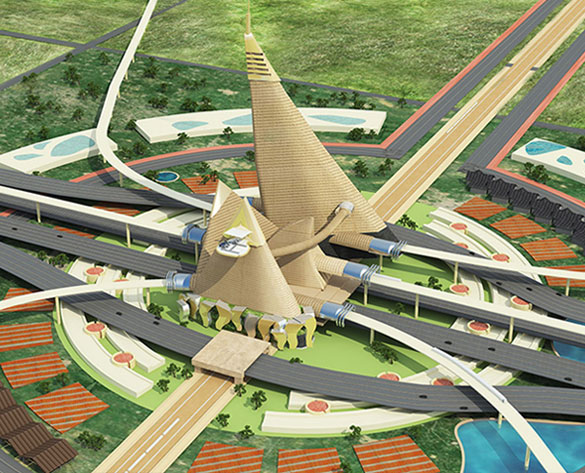
Buying land is exciting—but it also needs patience and proper checks. In 2026, interest in Dholera SIR is strong because of long-term infrastructure plans and the “planned city” idea. At the same time, this popularity also attracts confusing claims, vague paperwork, and “too good to be true” offers. This guide is written to help you make a safe, practical decision—whether you’re looking for a future home site or a long-term investment. If your goal is to find best plots to buy in dholera sir without taking unnecessary risk, start with the basics below. 1) Understand Dholera SIR Reality in 2026 (Before You Pay Anything) Dholera SIR vs “Near Dholera”: don’t mix them up Many listings are marketed as “Dholera plots,” but they may be: inside the Dholera SIR notified area, or outside the SIR boundary but “near Dholera,” or agricultural land being sold as “plotting” without clear development permissions All three are very different in terms of planning, approvals, and future usability. Before you buy plots in dholera sir, confirm exact location + status on paper, not just on a brochure or a pin location. Keep expectations practical (and safer) Dholera SIR’s growth is driven by long-term projects. That can create genuine opportunity, but timelines and on-ground development vary zone to zone. A safe buyer in 2026 doesn’t chase promises—they verify facts. 2) Start With the Right Location Checks (Planning Matters More Than Marketing) Look for clarity: zone, access, and surroundings If you’re comparing best plots to buy in dholera sir, don’t only compare price per square yard. Compare: Approach road width and actual connectivity (not “proposed” on a flyer) Nearby development (real, visible work—roads, drainage, demarcation) Waterlogging risk (ask locals; visit once after rains if possible) Distance from key routes (without exaggeration) Ask one simple question: “Show me the boundary + proof” Before site visits become emotional decisions, ask for: Survey number / block number details A map that matches the land records Clear demarcation on the ground (not just “approximate” boundaries) This is how you move from excitement to a safe shortlist. 3) Verify Approvals & Documents (This Is Where Safety Comes From) Most problems in land deals come from weak documentation. If you want a genuine dholera sir approved plot, you must verify what “approved” actually means. What “approved” should mean (in simple words) Depending on the type of project and location, approvals may include: Clear title and ownership chain Layout / plotting permission (where applicable) NA/NOC status (if applicable for intended use) Compliance requirements (including RERA, if the project falls under it) Sellers often say “government approved” casually. Don’t accept that line without paperwork. Your 2026 document checklist (carry this to every meeting) Ask for copies and get them verified by a property lawyer: 7/12 and 8A (land records) Title chain documents (past sale deeds, inheritance proof if any) Encumbrance check (to confirm no loans/legal dues) NA status / conversion details (if relevant to usage and local rules) Plot layout plan details (if it’s a plotting scheme) RERA registration (GUJRERA) if the project is marketed as a real estate project and falls under RERA norms Any written commitments should match what can legally be delivered This is the most important part of how to buy plots in dholera sir safely: verify first, pay later. 4) Price & Booking: How to Avoid Overpaying or Getting Stuck Understand dholera sir plots price the right way There isn’t one “correct” price. In 2026, dholera sir plots price can vary based on: Exact location (inside/outside key planned pockets) Road access and on-ground development Documentation quality and project credibility Plot size, corner plot premium, and layout planning A low price is not always a deal—sometimes it’s a warning sign that paperwork, access, or permissions are weak. Safe dholera sir plot booking steps (simple and practical) If you’re doing dholera sir plot booking, keep it clean and traceable: Pay token/booking only after document review (or at least after copies are shared) Make payments through bank only (avoid cash) Get a written receipt with plot details, project name, and terms Clearly mention refund conditions (don’t accept “non-refundable” blindly) If someone pushes you to “book today or lose it,” slow down. Serious sellers give you time for verification. 5) Site Visit Like a Careful Buyer (Not Like a Tourist) Even the best plots to buy in dholera sir can become a bad decision if the on-ground reality doesn’t match the paperwork. On-ground checklist for your visit When you visit, check: Is the plot properly demarcated? (pegs/boundary markers) Is the approach road usable today? Are there electric poles, drainage lines, or obvious right-of-way issues? Do nearby residents confirm the plot’s identity and access? Do the plot dimensions match the layout plan? Red flags you should never ignore “Docs will be ready in a few months” (especially for basics like title clarity) “This is inside Dholera SIR” without verifiable proof “Price will double in 3 months” as a sales promise Only brochure and WhatsApp messages, no solid paperwork A safe buyer in 2026 treats land like a legal asset, not a quick gamble. 6) Closing the Deal Safely (Agreement, Sale Deed, and After-Registration) Don’t skip the legal flow Your deal should move step-by-step: Document verification (preferably by your lawyer) Agreement to Sell (with clear terms, dates, and penalties) Final Sale Deed registration Mutation / entry update and record follow-ups This is the second core part of how to buy plots in dholera sir properly—finish the process, don’t stop at “agreement done.” Keep payments and communication traceable Use bank transfers with proper narration Preserve receipts, WhatsApp/email confirmations, and signed documents Avoid “verbal guarantees”—if it matters, write it in the agreement Why Buyers Work With BHADANI REALTOR (Especially in 2026) When you’re comparing options—especially if you’re looking for best plots to buy in dholera sir—the real value is not only “showing plots.” The real value is helping you reduce risk. At BHADANI REALTOR, our focus is to guide buyers through: Clear shortlisting based on your purpose (investment vs future home) Document-first discussions (not only site visit hype) Practical checks on access, location clarity, and project
